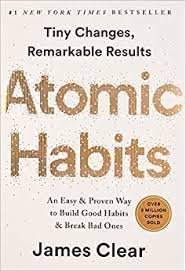
Atomic Habits Summary for Entrepreneurs: 12 Lessons That Actually Work
Entrepreneurship is not about one big breakthrough.
It's about small daily actions that compound quietly — until one day they don't look small anymore.
When I first started building my website, I believed motivation would carry me. It didn't. Some weeks I was consistent. Some weeks I disappeared. The real shift happened only after I understood the core idea from Atomic Habits by James Clear:
You don't rise to the level of your goals. You fall to the level of your systems.
This article is not just a summary. It's how these lessons apply specifically to entrepreneurs.
About Atomic Habits
Published in 2018, Atomic Habits focuses on tiny behavioral improvements that compound into remarkable results.
Unlike most productivity books, this one does not glorify intensity. It promotes sustainability.
In my opinion, that's why it works.
Entrepreneurship is a marathon — not a motivational sprint.
12 Atomic Habits Lessons Every Entrepreneur Should Apply
1. Focus on Systems, Not Goals
Goals are outcomes. Systems are processes.
When I shifted from:
“I want 10,000 visitors”
to:
“I will publish one high-quality article every week”
everything changed.
Entrepreneurs should build:
- Content systems
- Sales outreach systems
- Learning systems
- Customer follow-up systems
Results become a by-product.
For a broader reading list on building entrepreneurial mindset, explore our curated 10 Books Every Entrepreneur Must Read .
2. Small Improvements Compound
Clear talks about 1% improvement daily.
At first, this sounds almost too simple.
But consistency in:
- Outreach emails
- Skill building
- Product improvement
- Networking
Creates exponential returns.
Most people quit before compounding kicks in.
3. Identity Comes Before Results
Instead of:
“I'm trying to build a business.”
Shift to:
“I am becoming a disciplined entrepreneur.”
Every action becomes a vote for that identity.
This mental shift removed a lot of self-doubt for me.
4. Make Good Habits Obvious
Environment beats willpower.
When I kept my content calendar visible on my desk, I published more.
Entrepreneurs can:
- Schedule fixed deep work blocks
- Keep business books nearby
- Remove distracting apps
Design your environment for success.
5. Make It Attractive
Pair work with something enjoyable.
For example:
- Strategy planning with coffee
- Reviewing analytics with calming music
It sounds small. It works.
6. Make It Easy
This was a big lesson for me.
Instead of:
“Write 1,500 words.”
I reduced it to:
“Write 200 words.”
Most resistance disappears when the task is small.
Momentum is more important than intensity.
7. Make It Satisfying
Tracking progress matters.
When I started tracking:
- Articles published
- Weekly output
- Improvement metrics
I felt in control again.
Entrepreneurs need visible progress.
8. Break Bad Habits by Reversing the Laws
To eliminate distractions:
- Make them invisible (hide phone)
- Make them unattractive
- Make them difficult
- Make them unsatisfying
Removing friction works both ways.
9. Environment Is More Powerful Than Motivation
Motivation fades. Systems remain.
In my experience, the days I relied on motivation were the least productive. The days I followed structure? Consistent.
10. Habits Build Company Culture
If you lead a team, your habits multiply.
- Your punctuality sets tone.
- Your learning mindset spreads.
- Your discipline becomes culture.
Leadership is repeated behavior.
11. The Valley of Disappointment Is Real
Results lag behind effort.
This concept alone stopped me from quitting early.
You may publish content for months before traffic grows.
That does not mean it's not working.
Compounding is invisible — until it isn't.
12. Continuous Improvement Wins Long-Term
Success rarely comes from dramatic action.
It comes from:
- One improved sales script
- One optimized landing page
- One better article
- Repeated consistently
Tiny advantages create dominant businesses.
How I Applied Atomic Habits to My Entrepreneur Journey
- I stopped chasing viral success.
- I focused on weekly consistency.
- I reduced my minimum output instead of increasing pressure.
If I were starting again, I would focus on building one keystone habit first.
Trying to optimize everything is a beginner mistake. Consistency beats complexity.
Who Should Read Atomic Habits?
This book is perfect for:
- First-time founders
- Solopreneurs
- Content creators
- Startup teams
- Anyone struggling with inconsistency
If discipline feels unstable, this book gives structure without burnout. If you're just starting out and feeling overwhelmed, you may also find value in our guide on Best Books for First-Time Entrepreneurs , which focuses on clarity and confidence in the early stages.
Key Quotes
“You do not rise to the level of your goals. You fall to the level of your systems.”
“Every action you take is a vote for the type of person you wish to become.”
Final Thoughts
Atomic Habits is not about hype.
It's about sustainable progress.
In a world obsessed with overnight success, this book quietly teaches the skill that actually builds businesses:
Consistency.
If you're building something long-term, this framework is worth applying slowly — not just reading once.