Best Books to Read Before You Die
A good lifetime reading list should not feel like homework. It should feel like a map. Some books help you understand people. Some make you braver. Some expose the dangers of power, ego, fear, or blind ambition. Some simply remind you that life is stranger, deeper, and more beautiful than your normal day allows you to notice.
This list is not trying to impress anyone with difficult titles. It is built for real readers who want books that stay with them. I have included classics, philosophy, modern nonfiction, and personal growth books because a life-changing bookshelf should have range.
If you are building your own "read before you die" list, do not treat it like a race. Choose one book, live with it for a while, and let it change the way you see something.
Quick Picks
- Best overall - Man's Search for Meaning
- Best classic for beginners - The Great Gatsby
- Best life philosophy - Meditations
- Best modern nonfiction - Sapiens
- Best inspirational novel - The Alchemist
Comparison Table
| Book | Best For | Why It Belongs |
|---|---|---|
| Man's Search for Meaning | Purpose and resilience | A short book with lifelong weight |
| The Great Gatsby | Beginners to classics | A sharp look at wealth, image, and emptiness |
| To Kill a Mockingbird | Justice and courage | A moral story that remains deeply readable |
| 1984 | Power and freedom | A warning about control, language, and fear |
| Pride and Prejudice | Love and self-awareness | Witty, human, and still surprisingly modern |
| Crime and Punishment | Guilt and conscience | A demanding but unforgettable psychological novel |
| Sapiens | Human history | Big-picture thinking about civilization |
| Meditations | Calm and discipline | Practical wisdom from Stoic philosophy |
| The Alchemist | Dreams and direction | A simple story about listening to your life |
| Atomic Habits | Daily improvement | Practical systems for changing behavior |
How I Chose These Books
I chose books that do more than entertain. Each one has a clear reason to exist on a lifetime reading list: emotional depth, cultural influence, practical wisdom, or a perspective that can change how you live. I also avoided making the list too narrow. A person should not only read productivity books, just as they should not only read classics. A strong reading life needs stories, ideas, history, and self-reflection.
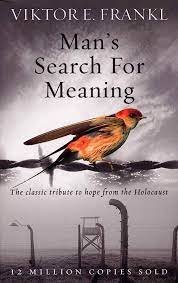
1. Man's Search for Meaning by Viktor E. Frankl
If I had to choose one book from this list for almost every adult reader, it would be this one. Frankl writes about suffering, survival, dignity, and the human need for meaning without turning pain into a slogan. The book is short, but it does not feel small.
The central lesson is not that life is easy if you think positively. It is that meaning can help people endure what comfort alone cannot. That is why this book belongs on any serious lifetime reading list.
Who it's for
Anyone facing uncertainty, grief, pressure, or the deeper question of what makes life worth living.
Why you'll like it
It is honest without being hopeless and wise without being complicated.
Key lessons
- Meaning is not found only in happiness.
- Your response to life still matters when life is unfair.
- Purpose gives strength to ordinary and difficult days.
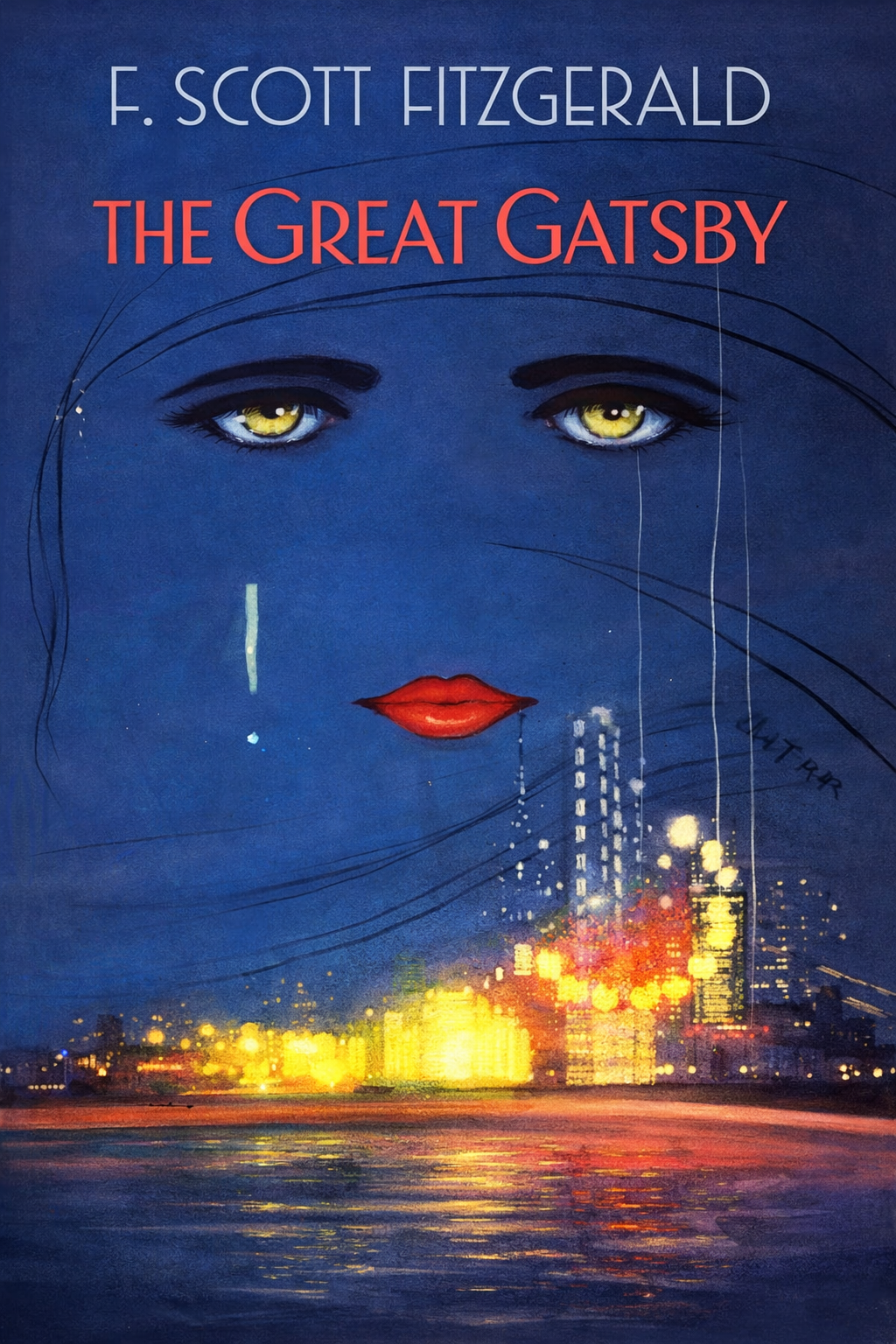
2. The Great Gatsby by F. Scott Fitzgerald
The Great Gatsby is short, elegant, and painfully sharp. It looks like a story about parties and wealth, but underneath it is about longing, illusion, and the danger of building your whole life around an image.
It is also one of the best entry points into classic literature. You do not need to be a literature expert to feel the sadness behind Gatsby's dream.
Who it's for
Readers who want a classic that is readable, stylish, and emotionally memorable.
Why you'll like it
It says a lot in a small space, which makes it ideal for busy readers.
Key lessons
- Success without meaning can feel empty.
- Romanticizing the past can trap you.
- Money can create access, but not peace.
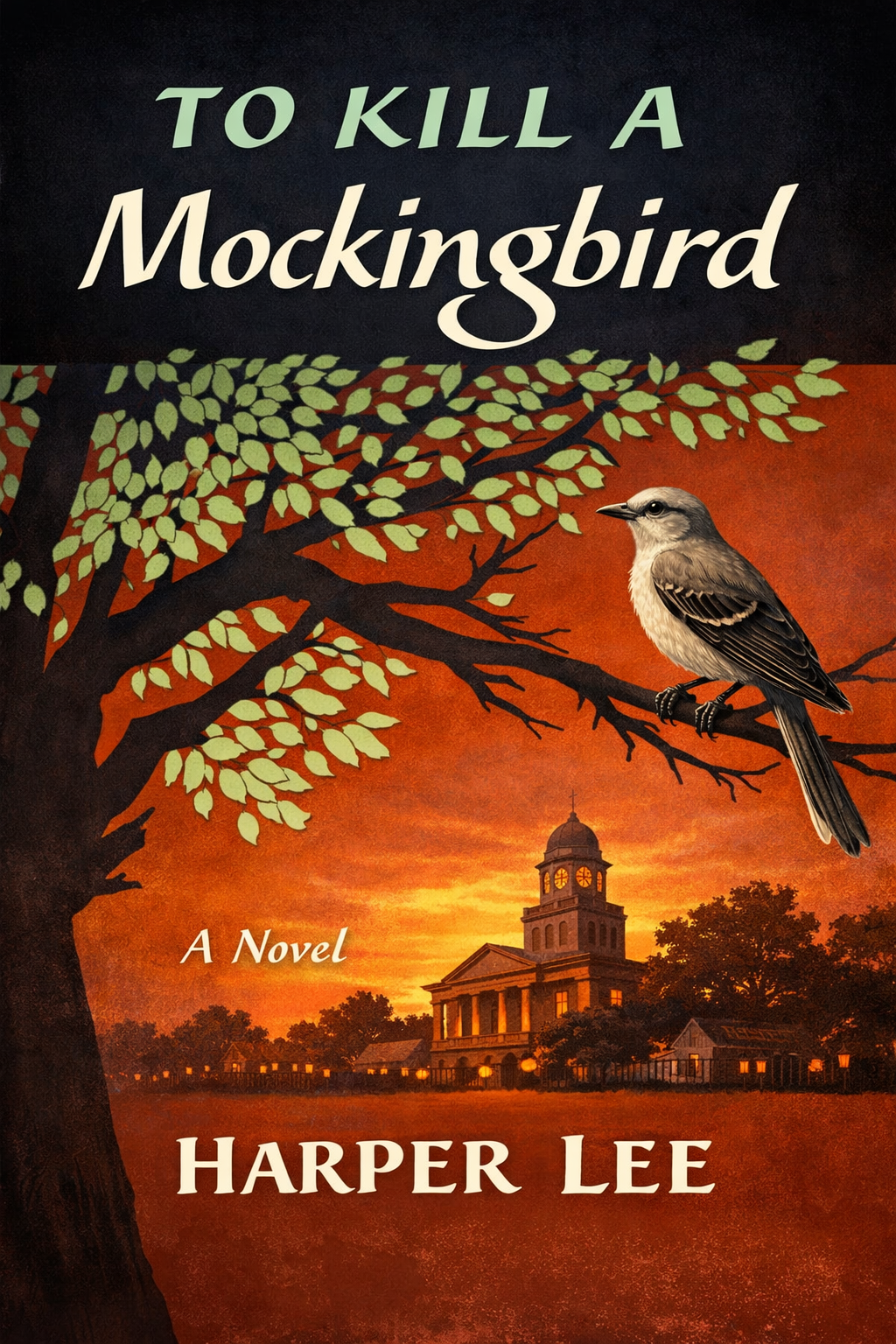
3. To Kill a Mockingbird by Harper Lee
This is one of those novels people often read in school before they are old enough to fully appreciate it. Read as an adult, it becomes a story about conscience, prejudice, childhood, courage, and the cost of doing the right thing when the world does not reward you for it.
Who it's for
Readers who want a moving novel about justice and moral courage.
Why you'll like it
It is accessible, emotional, and full of scenes that stay in your memory.
Key lessons
- Courage is often quiet and unpopular.
- Empathy requires seeing beyond your own experience.
- Goodness matters most when it is costly.
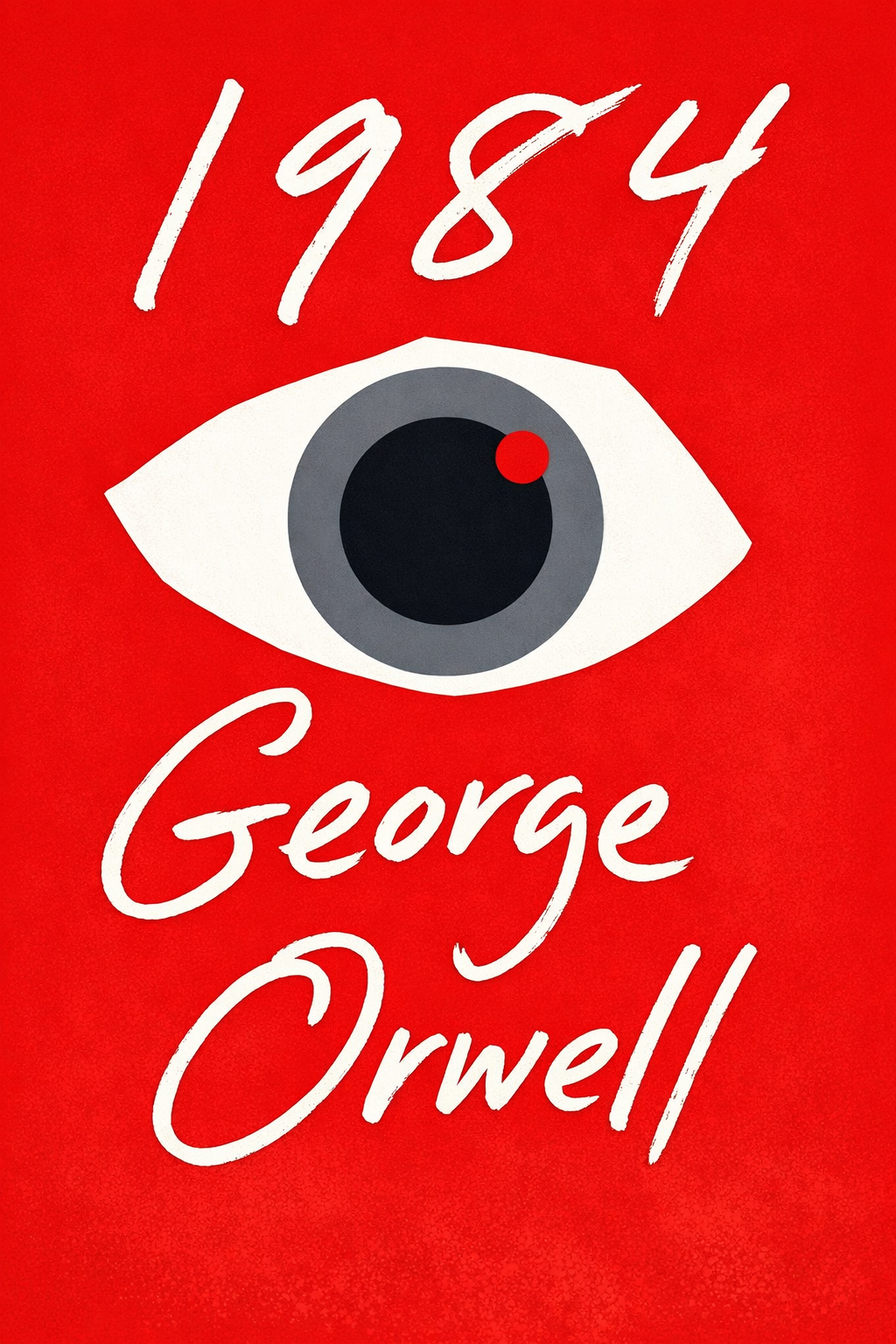
4. 1984 by George Orwell
1984 is not comfortable reading, and that is exactly why it matters. Orwell's novel is about surveillance, manipulation, fear, censorship, and the terrifying power of controlling language. It is a book that makes you more alert.
Who it's for
Anyone interested in freedom, politics, media, language, and power.
Why you'll like it
It gives you a sharper eye for how truth can be bent by authority and repetition.
Key lessons
- Language shapes what people are able to think.
- Fear can make people surrender freedom slowly.
- Independent thought is a form of resistance.
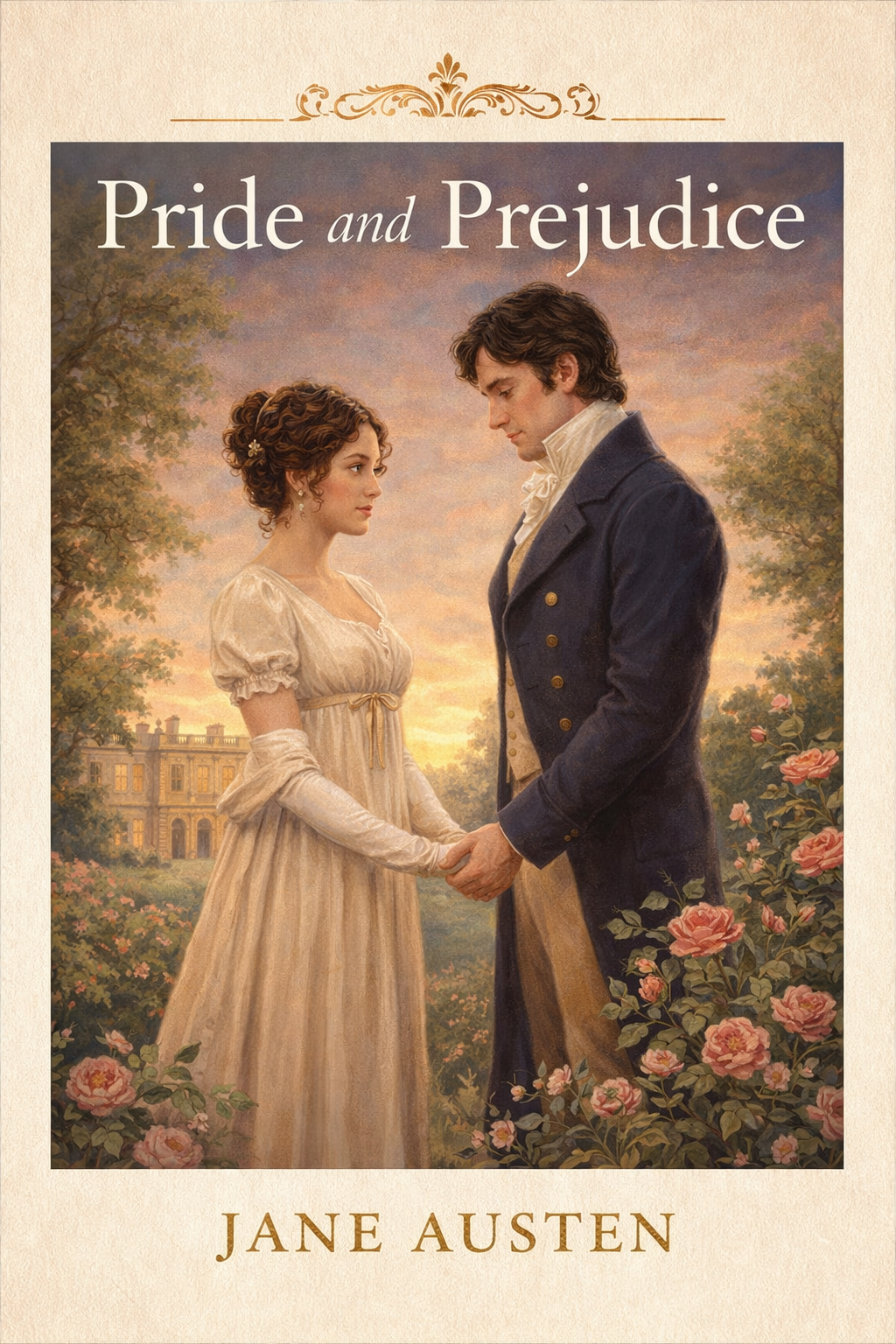
5. Pride and Prejudice by Jane Austen
Pride and Prejudice is often described as a romance, but that undersells it. It is also a smart, funny book about judgment, ego, class, family pressure, and the slow work of seeing another person clearly.
Who it's for
Readers who want a classic with wit, warmth, and emotional intelligence.
Why you'll like it
It is much funnier and sharper than many people expect.
Key lessons
- First impressions can be powerful and wrong.
- Love requires humility as much as attraction.
- Social pressure quietly shapes personal choices.
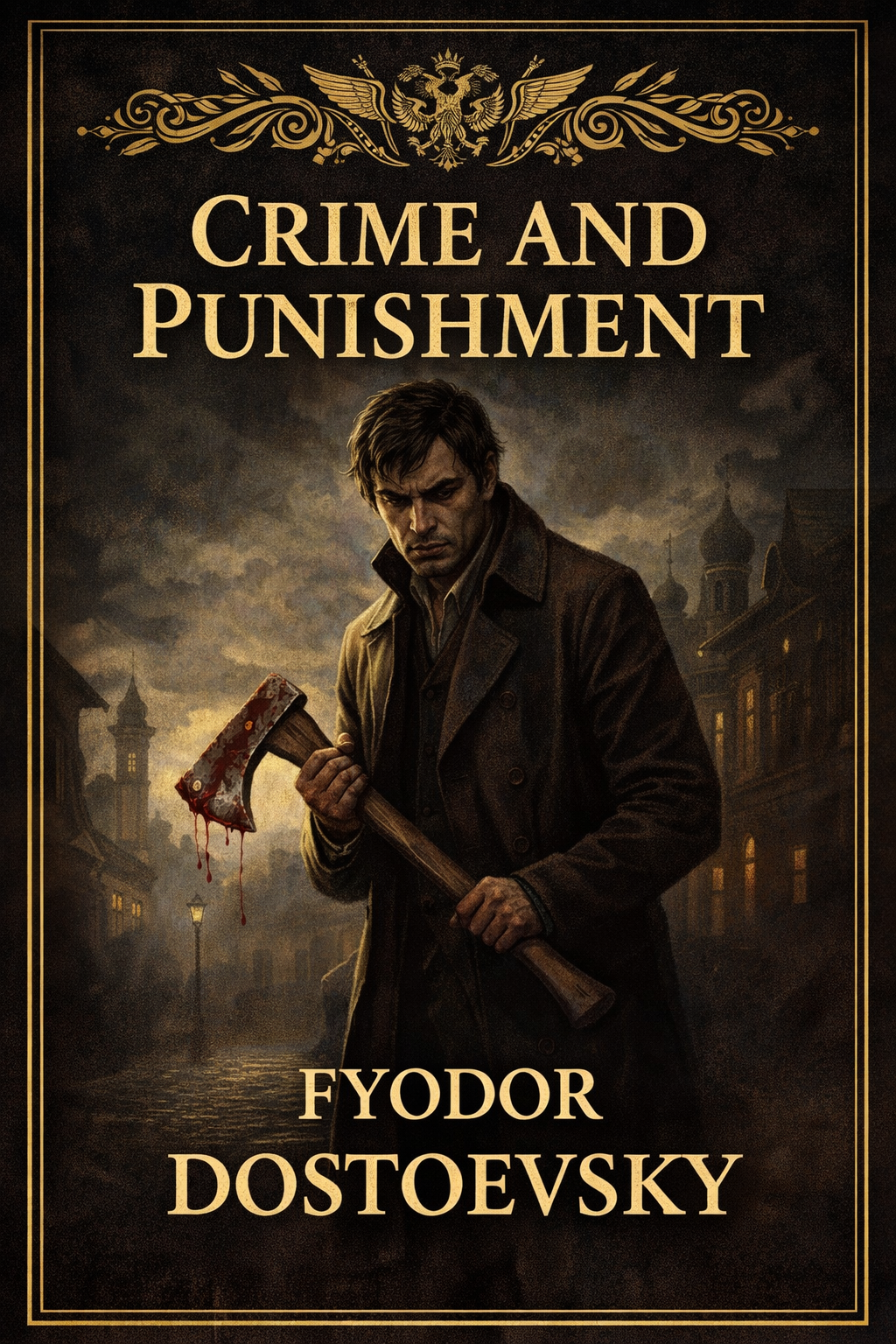
6. Crime and Punishment by Fyodor Dostoevsky
This is not the easiest book on the list, but it may be one of the deepest. Crime and Punishment enters the mind of a man trying to justify the unjustifiable, then follows the psychological and spiritual consequences of that choice.
Who it's for
Patient readers who want a serious novel about guilt, conscience, and redemption.
Why you'll like it
It shows how the mind can argue with itself when the heart already knows the truth.
Key lessons
- Ideas have consequences when lived out.
- Guilt is not only legal; it is personal and spiritual.
- Redemption begins with honesty.
7. Sapiens by Yuval Noah Harari
Sapiens is a big-picture history of humanity. It moves from early humans to agriculture, religion, empires, money, science, and modern society. You do not have to agree with every interpretation to benefit from it. The value is in the scale of the questions.
Who it's for
Readers who want to understand how human society became what it is.
Why you'll like it
It makes familiar things like money, nations, and culture feel strange in a useful way.
Key lessons
- Shared stories shape civilization.
- Progress often comes with trade-offs.
- Human cooperation depends on imagination as much as force.
8. Meditations by Marcus Aurelius
Meditations was not written as a polished self-help book. It was a private record of a Roman emperor reminding himself how to live with discipline, humility, and calm. That private quality is part of its power.
Who it's for
Readers who want practical philosophy for stress, ego, duty, and self-control.
Why you'll like it
It is full of short reflections you can return to during difficult seasons.
Key lessons
- You control your response more than your circumstances.
- Death makes priorities clearer.
- Character is built in ordinary choices.
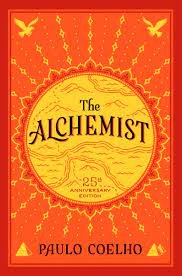
9. The Alchemist by Paulo Coelho
The Alchemist is simple, almost fable-like, and that is why it works for so many readers. It is about a shepherd following a dream, but the real subject is courage: the courage to listen, leave, search, fail, and keep going.
Who it's for
Readers who want an inspiring story about dreams, signs, and personal direction.
Why you'll like it
It is short, warm, and easy to read during a transition period in life.
Key lessons
- Your dream requires movement, not only wishing.
- The journey teaches what the destination cannot.
- Listening to your life is a skill.
10. Atomic Habits by James Clear
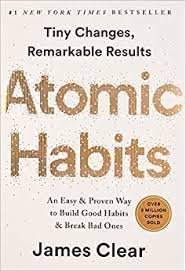
A lifetime reading list should not only include books that make you think. It should also include books that help you live differently. Atomic Habits belongs here because it gives practical language to a truth most people learn late: your daily systems shape your future more than your occasional motivation.
Who it's for
Anyone who wants to build better habits, break bad patterns, and improve without relying on willpower.
Why you'll like it
It is clear, useful, and easy to apply immediately.
Key lessons
- Small habits compound over time.
- Environment design matters.
- Identity-based change is stronger than motivation-based change.
Which Book Should You Read First?
If you want something short and meaningful, start with Man's Search for Meaning. If you want fiction, start with The Great Gatsby or To Kill a Mockingbird. If you want practical life improvement, start with Atomic Habits. If you want wisdom you can read slowly, choose Meditations.
The best reading path is not the most impressive one. It is the one you will actually follow.