Best Books for Anxiety and Stress
Anxiety and stress can make your own mind feel like a room you cannot leave. You replay conversations, imagine future problems, scan for danger, and try to solve ten possible lives at once. A good book will not magically remove that, and it should not pretend to. But the right book can give you language, tools, and a little breathing space.
This guide focuses on books that are practical, compassionate, and genuinely useful. Some are based on cognitive behavioral therapy. Some teach mindfulness. Some help with perfectionism, overthinking, habit structure, and emotional self-understanding.
Important note: if your anxiety feels severe, persistent, or unsafe, please speak with a qualified mental health professional. Books can support healing, but they are not a replacement for care.
Quick Picks
- Best overall - Feeling Good
- Best mindfulness book - Wherever You Go, There You Are
- Best for overthinking - Don't Believe Everything You Think
- Best for self-acceptance - The Gifts of Imperfection
- Best for building calm routines - Atomic Habits
Comparison Table
| Book | Best For | Approach |
|---|---|---|
| Feeling Good | Anxious thought patterns | CBT-based exercises |
| The Power of Now | Present-moment calm | Mindfulness and awareness |
| Don't Believe Everything You Think | Overthinking | Simple thought awareness |
| Wherever You Go, There You Are | Mindfulness beginners | Meditation and presence |
| The Untethered Soul | Distance from mental chatter | Inner awareness |
| The Gifts of Imperfection | Shame and perfectionism | Self-compassion |
| The Mountain Is You | Self-sabotage | Emotional growth |
| Atomic Habits | Stability and routines | Habit design |
| Why Zebras Don't Get Ulcers | Stress science | Biology of stress |
| Burnout | Chronic exhaustion | Stress-cycle recovery |
How I Chose These Books
I looked for books that give readers something usable: a thought exercise, a calming practice, a more compassionate way to understand themselves, or a realistic path back to steadiness. I also chose books from different angles because anxiety and stress do not have one single cause. Sometimes you need CBT. Sometimes you need sleep, boundaries, acceptance, or a simpler routine.
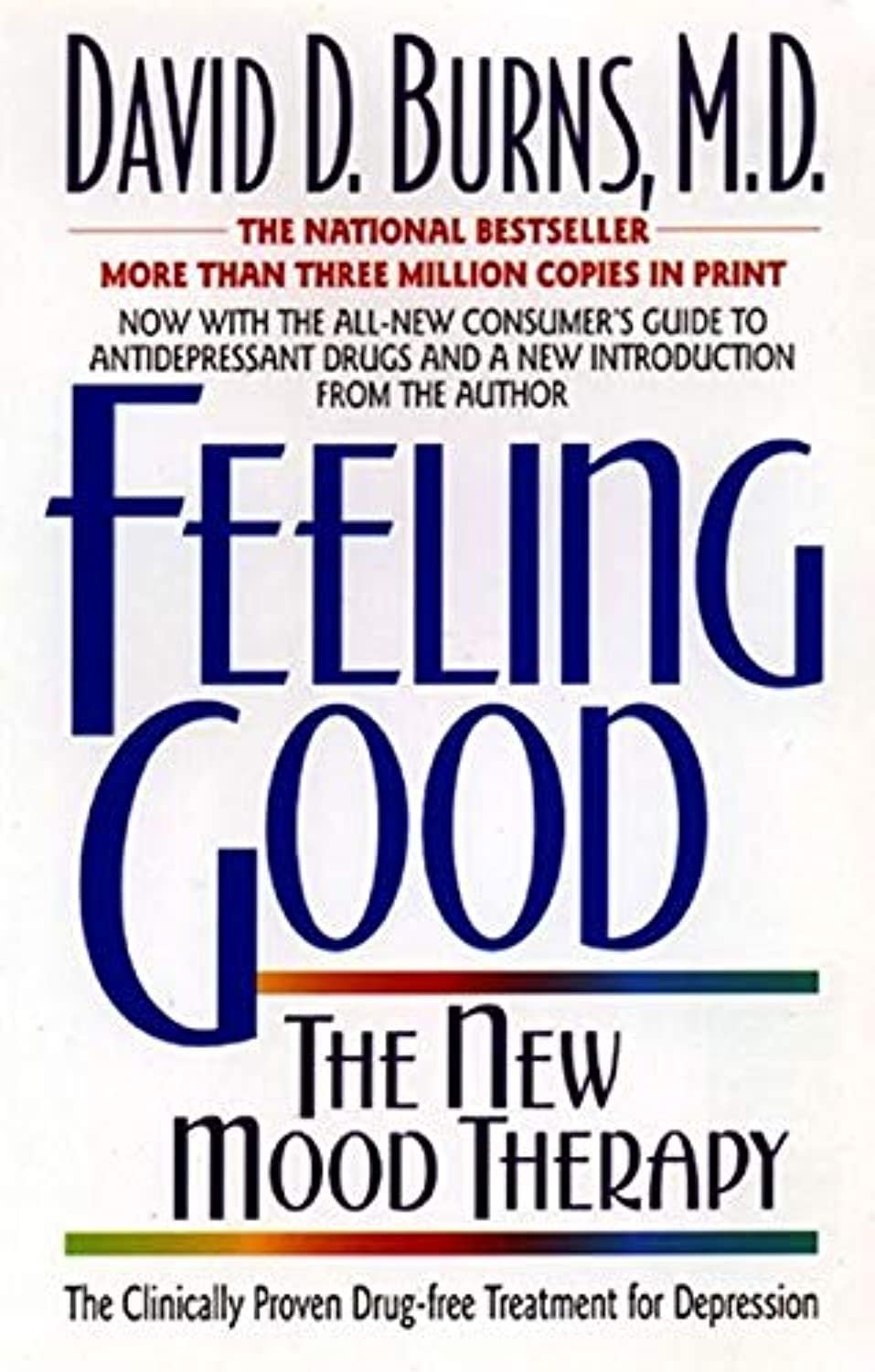
1. Feeling Good by David D. Burns
Feeling Good is one of the most practical books on this list because it teaches readers to identify distorted thoughts and challenge them. While the book is often associated with depression, many of its cognitive behavioral tools are also useful for anxiety, worry, guilt, and harsh self-talk.
Who it's for
Readers who want structured exercises instead of only calming ideas.
Why you'll like it
It gives you a way to slow down anxious thinking and question whether your mind is telling the whole truth.
Key lessons
- Thoughts are not always facts.
- Naming distortions reduces their power.
- Writing down thoughts can make them easier to challenge.
2. The Power of Now by Eckhart Tolle
Anxiety often pulls you into the future: what if this happens, what if I fail, what if I cannot handle it? The Power of Now is helpful because it teaches readers to notice the difference between the present moment and the mind's constant projections.
Who it's for
Readers who want a spiritual and mindfulness-based approach to mental noise.
Why you'll like it
It can create distance between you and the stream of thoughts that feels so urgent.
Key lessons
- You are not every thought that appears in your mind.
- Returning to the present can soften anxiety.
- Mental stillness is a practice, not a personality trait.
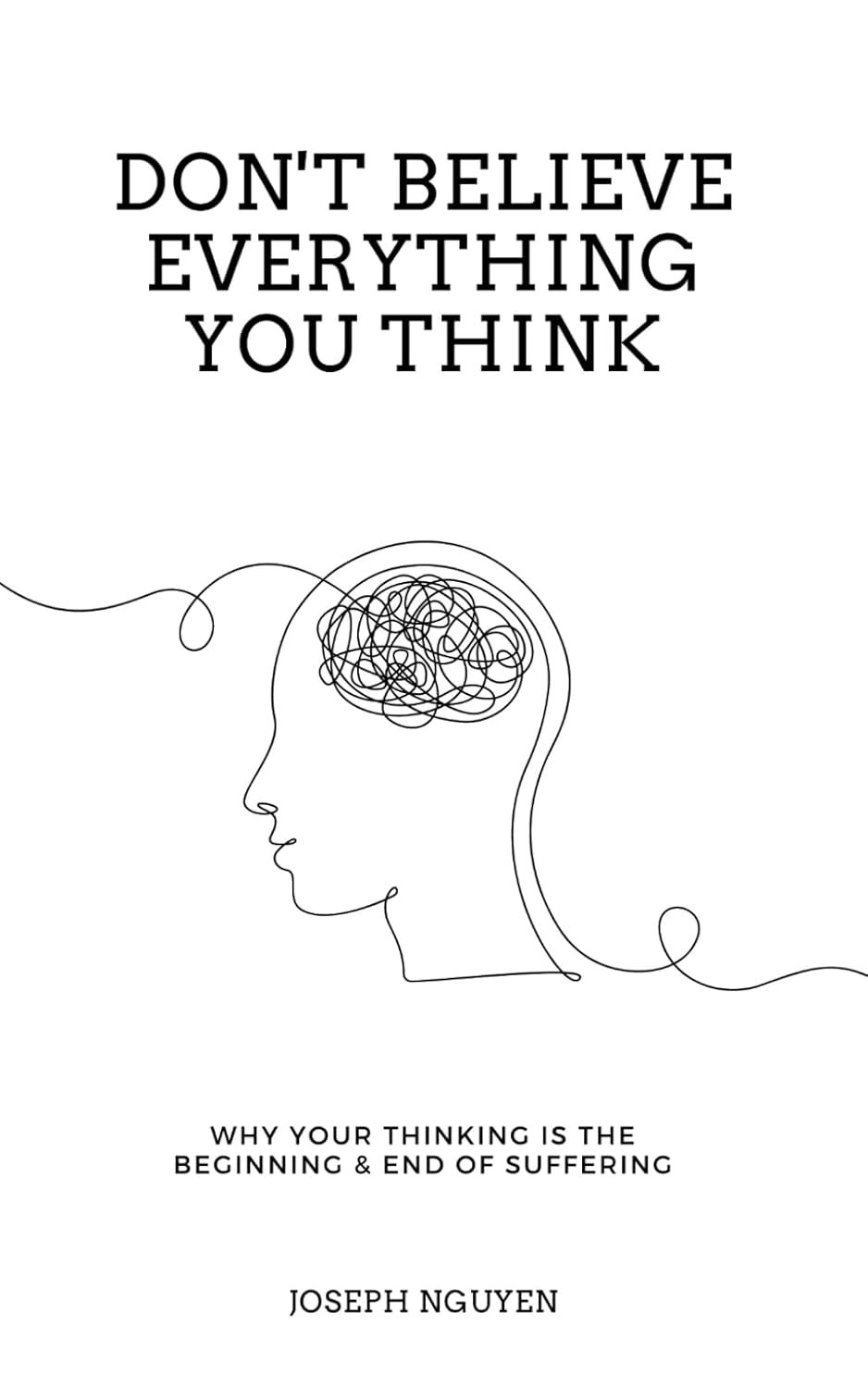
3. Don't Believe Everything You Think by Joseph Nguyen
This is a short, simple book for people who feel trapped by overthinking. Its main strength is accessibility. It does not overload you with technical language. It keeps returning to one calming idea: many of our problems are intensified by believing every thought that passes through the mind.
Who it's for
Beginners who want a quick, clear book on mental noise and overthinking.
Why you'll like it
It is easy to read during a stressful week when heavier books feel like too much.
Key lessons
- Thoughts can appear without needing your full attention.
- Overthinking often creates extra suffering.
- Peace begins with noticing instead of arguing with every thought.
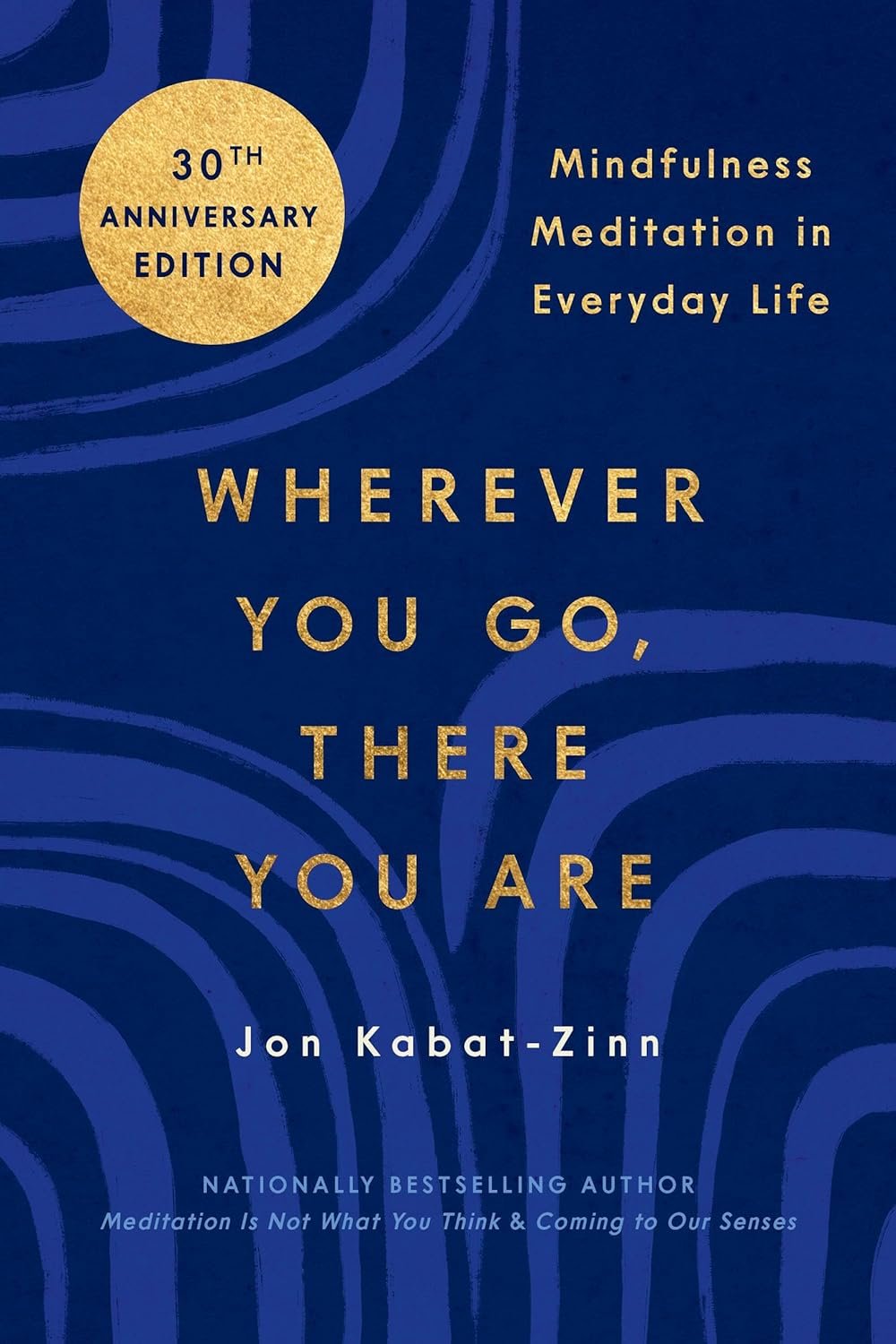
4. Wherever You Go, There You Are by Jon Kabat-Zinn
Jon Kabat-Zinn helped bring mindfulness into mainstream health and stress reduction. This book is a gentle introduction to being present without turning mindfulness into another project you can fail at.
Who it's for
Readers who want a calm, practical mindfulness book.
Why you'll like it
It teaches presence in a grounded way, without pressure to become perfect at meditation.
Key lessons
- Mindfulness is about returning, not never wandering.
- Awareness can change your relationship with stress.
- Small moments of presence matter.
5. The Untethered Soul by Michael A. Singer
The Untethered Soul is about the voice inside your head and what happens when you stop treating it as absolute truth. For anxious readers, that idea can be powerful. The book invites you to observe inner chatter instead of being dragged around by it.
Who it's for
Readers who want a reflective, spiritual book about inner freedom.
Why you'll like it
It helps separate your awareness from the anxious commentary running in the background.
Key lessons
- The mind talks constantly, but you can learn to observe it.
- Letting go is different from suppressing.
- Inner peace grows when you stop clinging to every mental story.
6. The Gifts of Imperfection by Brene Brown
Stress is not always about a packed schedule. Sometimes it comes from constantly trying to prove you are enough. Brene Brown's book is valuable for readers whose anxiety is tied to shame, perfectionism, people-pleasing, and fear of judgment.
Who it's for
People who feel exhausted by perfectionism or always trying to meet invisible standards.
Why you'll like it
It feels compassionate without becoming vague or sentimental.
Key lessons
- Perfectionism is not the same as healthy striving.
- Self-compassion reduces shame.
- Authenticity is calmer than constant performance.
7. The Mountain Is You by Brianna Wiest
This book is about self-sabotage, emotional patterns, and the ways people unconsciously resist the life they say they want. For stress and anxiety, it can help when your worry is connected to avoidance, unresolved fear, or repeating the same emotional loops.
Who it's for
Readers who want an emotional-growth book that feels personal and reflective.
Why you'll like it
It helps you ask what your stress may be trying to protect you from.
Key lessons
- Self-sabotage often begins as self-protection.
- Emotional awareness is part of change.
- You can outgrow old coping patterns.
8. Atomic Habits by James Clear
Atomic Habits is not specifically an anxiety book, but it can be surprisingly helpful for stress because it turns vague intentions into small systems. When life feels chaotic, routines create a little stability. You stop asking, "How do I fix my whole life today?" and start asking, "What small action can I repeat?"
Who it's for
Readers who feel better with structure, routines, and practical action.
Why you'll like it
It reduces the pressure of huge change by focusing on small repeatable behavior.
Key lessons
- Small habits reduce decision fatigue.
- Environment shapes behavior.
- Consistency creates confidence.
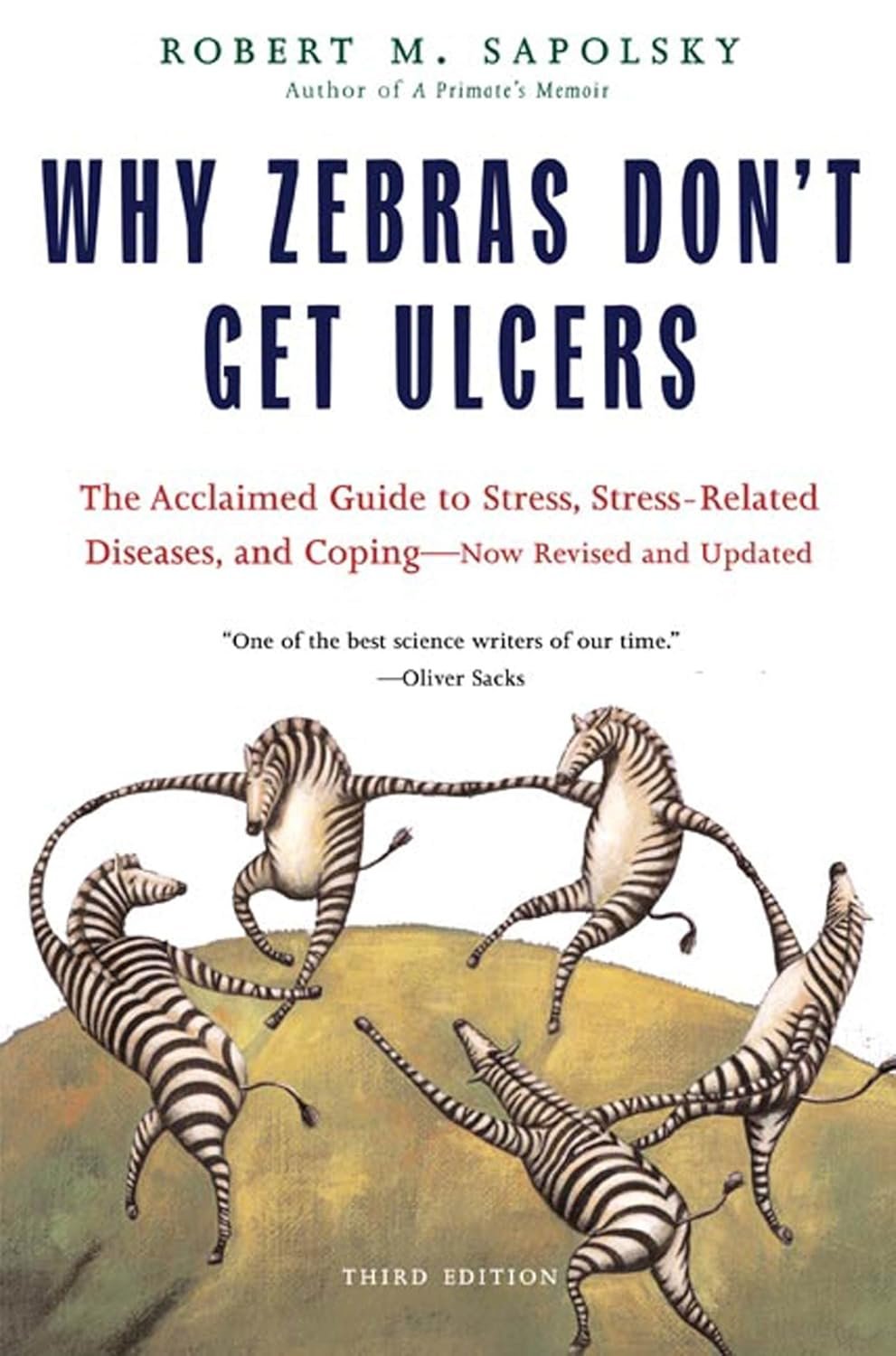
9. Why Zebras Don't Get Ulcers by Robert M. Sapolsky
If you want to understand stress from a biological perspective, this is the placeholder recommendation to add. Sapolsky explains how stress affects the body and why modern humans can stay activated long after the immediate threat has passed.
Who it's for
Readers who like science and want to understand what stress does physically.
Why you'll like it
It makes stress feel less mysterious by showing the body systems involved.
Key lessons
- Stress is useful in short bursts but harmful when chronic.
- The body reacts to perceived threats, not only real ones.
- Understanding stress can support better lifestyle choices.
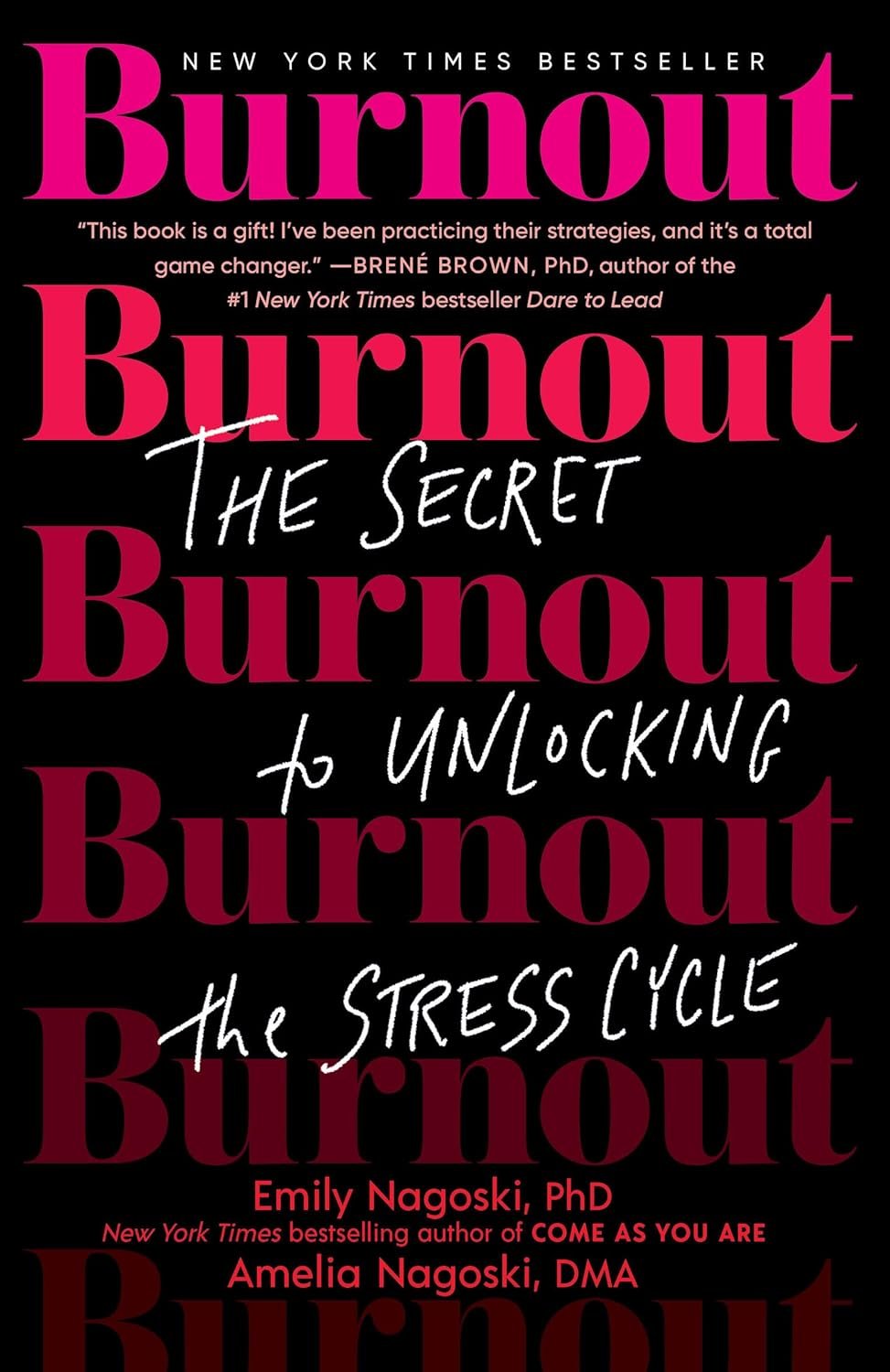
10. Burnout by Emily Nagoski and Amelia Nagoski
Burnout is a strong addition for readers whose stress is not occasional but constant. The book is especially useful because it discusses completing the stress cycle rather than only managing tasks. That distinction matters: sometimes you have handled the problem, but your body still needs recovery.
Who it's for
Readers dealing with exhaustion, caregiving pressure, workplace stress, or emotional overload.
Why you'll like it
It treats burnout as a real body-and-life problem, not a personal weakness.
Key lessons
- Stressors and stress are not the same thing.
- Your body needs signals that it is safe again.
- Rest, connection, movement, and boundaries matter.
Which Book Should You Read First?
If you want practical exercises, start with Feeling Good. If you want a gentle mindfulness approach, start with Wherever You Go, There You Are. If your main struggle is overthinking, start with Don't Believe Everything You Think. If stress comes from perfectionism and self-criticism, choose The Gifts of Imperfection.
The best choice is the one that matches your current form of stress. Do not try to read all of them at once. Read one, apply one idea, and let your nervous system catch up.