Best Productivity Books
If you are looking for the best productivity books, you are probably not looking for another generic self-help list. You want practical books that help you focus better, manage your time more intentionally, and build systems that support real progress instead of short-lived motivation.
The best productivity books do not all say the same thing. Some teach deep work. Some teach better habits. Others help you simplify your responsibilities, protect your attention, or design a life that leaves more room to do important work. This list combines those perspectives so you can choose the book that matches the problem you are actually facing.
Quick Picks
- Best overall: Deep Work
- Best for habits: Atomic Habits
- Best for planning: The 4-Hour Workweek
- Best for focus without burnout: Indistractable
Comparison Table
| Book | Best For | Style | Best Match |
|---|---|---|---|
| 1. Deep Work | Focus and quality output | Practical | Readers who feel distracted and want a sharper work system |
| 2. Atomic Habits | Consistent behavior change | Actionable | Readers who want better routines without dramatic motivation |
| 3. The 4-Hour Workweek | Time and lifestyle design | Systemic | Readers who want to think differently about work and freedom |
| 4. Indistractable | Attention and digital discipline | Research-based | Readers fighting constant interruptions and phone attention drains |
| 5. Digital Minimalism | Reducing unnecessary digital noise | Reflective | Readers who feel mentally fragmented by always-online life |
| 6. Rework | Work smarter and simpler | Direct | Readers tired of overcomplicated productivity advice |
| 7. The 5 AM Club | Morning routine and momentum | Motivational | Readers who want a clearer start to the day |
| 8. High Performance Habit | High-output routines | Practical | Readers who want discipline without chaos |
| 9. The Power of Habit | Understanding habit loops | Insightful | Readers who want to know why they repeat patterns |
| 10. The Compound Effect | Small daily wins | Practical | Readers who need a simple system for sustained progress |
How I Chose These Books
I chose these books for their usefulness, clarity, and lasting relevance. The best productivity books are not just books that talk about productivity; they give readers a system they can actually apply in real life. Some focus on attention, some on habit formation, and some on designing a better work life around your priorities rather than your distractions.
I also kept the list balanced. Some recommendations are direct and tactical. Others are more reflective and strategic. That is important because productivity is not one-size-fits-all. The right book depends on whether your real obstacle is distraction, poor routines, overcommitment, or simply not having a system that matches your actual life.
1. Deep Work by Cal Newport
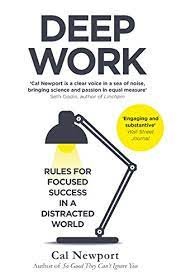
Deep Work is one of the strongest books on productivity because it treats attention as a skill. In a world full of interruptions, this book explains why uninterrupted effort matters and why shallow work often prevents the work that actually moves your life forward.
Who it's for
Readers who feel busy but not truly productive.
Why you'll like it
You will like it because it gives a clear framework for serious work. It is practical without being overly complicated, and it is especially useful for people who spend a lot of time online or in reactive work.
Key lessons
- Deep focus is a competitive advantage.
- Attention should be protected like a resource, not wasted casually.
- Meaningful work usually happens in quiet, concentrated periods.
Pros
- Highly relevant for modern work.
- Strong on focus and output quality.
Cons
- Requires you to change your routines.
- Less useful if your main challenge is not focus but planning or overwhelm.
My recommendation
Start here if you are struggling with distraction, mental fragmentation, or the feeling that you never get real work done.
2. Atomic Habits by James Clear
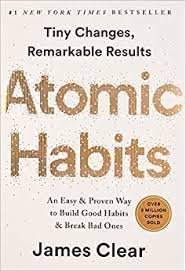
Atomic Habits belongs on any list of the best productivity books because it shows how small improvements create lasting change. It helps readers build routines that are easier to repeat and harder to abandon, which makes it especially useful when motivation is low.
Who it's for
Readers who want a practical framework for consistent progress.
Why you'll like it
You will like it because it simplifies productivity into systems you can actually maintain. Instead of depending on willpower, it teaches you to design your environment so your best habits become default behavior.
Key lessons
- Systems beat goals when goals are vague or inconsistent.
- Environment changes behavior more than motivation does.
- Identity-based habits create deeper and longer-lasting change.
Pros
- Very easy to apply.
- Helps with work, health, study, and personal routines.
Cons
- Some ideas can feel familiar if you have read other habit books.
- It is most useful when you actually apply the framework.
My recommendation
Read this if you need better routines and a framework that helps your good choices become easier to repeat.
3. The 4-Hour Workweek by Timothy Ferriss
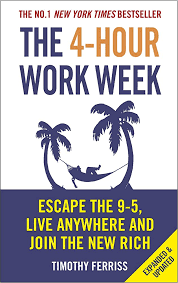
The 4-Hour Workweek is not just a lifestyle book. It is a productivity book about reducing wasted effort, designing better systems, and creating more freedom around your work. It is especially relevant if you feel trapped by busy work and want to rethink what real productivity should look like.
Who it's for
Readers who want to escape low-value work and design a more intentional schedule.
Why you'll like it
You will like it because it forces you to ask a powerful question: what work actually matters, and what are you doing because it feels productive but is not helping you move forward?
Key lessons
- Not all effort is equal.
- Automation and outsourcing become easier when you first reduce unnecessary complexity.
- A good productivity system supports freedom, not just busyness.
Pros
- Great mindset shift for overworked readers.
- Encourages simpler, more intentional work systems.
Cons
- Not every idea will fit every lifestyle.
- It is more about systems and freedom than daily execution.
My recommendation
Read this if you feel like work is taking too much of your life and you want to rethink how your time is being used.
4. Indistractable by Nir Eyal
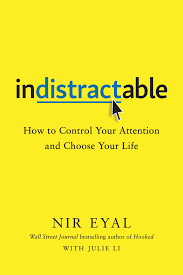
Indistractable is one of the most practical modern productivity books because it focuses on why we get pulled away from meaningful work. It gives readers a framework for understanding distraction and designing environments that support attention instead of fighting against it constantly.
Who it's for
Readers battling phone addiction, digital clutter, or endless interruptions.
Why you'll like it
You will like it because it goes beyond vague advice and explains the psychology of distraction. The book is about understanding triggers and building better boundaries, which makes it highly actionable.
Key lessons
- Distraction is usually an internal and environmental problem, not just a willpower problem.
- Attention is easier to protect when you reduce triggers in advance.
- Time management works better when you also manage the systems that invite distraction.
Pros
- Very practical for digital life.
- Helpful for people whose attention is constantly being pulled away.
Cons
- Can feel repetitive if you already know the basics of self-control.
- Its value depends on real behavioral changes.
My recommendation
Read this if your main productivity problem is not laziness but constant distraction.
5. Digital Minimalism by Cal Newport
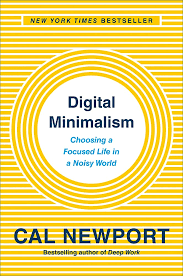
Digital Minimalism is one of the best productivity books for readers who feel exhausted by the endless stream of information. It argues that attention is a scarce resource and that constant digital input can quietly erode the time and energy needed for meaningful work.
Who it's for
Readers who feel mentally crowded and rarely able to focus deeply.
Why you'll like it
You will like it because it offers a lifestyle approach to productivity. Instead of trying to become more disciplined in the middle of a distracted environment, it helps you create a simpler system that supports better attention.
Key lessons
- Technology should serve your values, not hijack your attention.
- Clarity improves when you reduce unnecessary inputs.
- Productivity often begins with a simpler environment.
Pros
- Great for digital overwhelm.
- Encourages deeper thinking and stronger focus.
Cons
- Requires intentional limits, not just reading.
- May feel less practical if your environment is not digitally overwhelming.
My recommendation
Read this if distraction comes from your technology habits rather than from your work itself.
6. Rework by Jason Fried and David Heinemeier Hansson
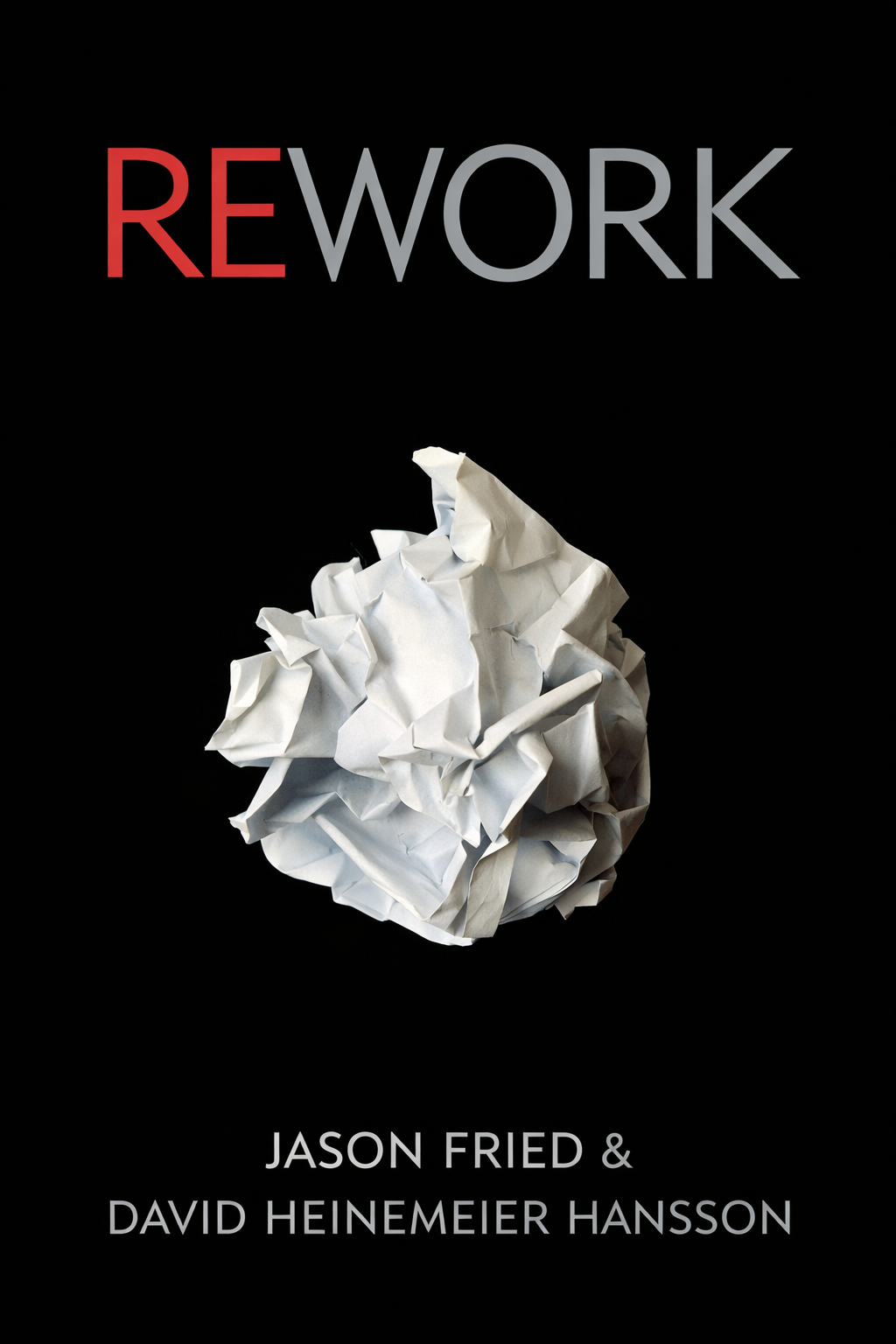
Rework is valuable because it challenges the traditional idea that productivity requires more complexity. It argues that good work often comes from simplifying decisions, doing less but with more intention, and avoiding systems that consume time without creating value.
Who it's for
Readers tired of overcomplicated productivity advice.
Why you'll like it
You will like it because it cuts through noise and questions the habits that make people feel busy without making them effective. It is direct, memorable, and especially useful when your systems are getting in your way.
Key lessons
- Good systems simplify, not complicate.
- Speed and clarity are often more valuable than formal process.
- Productivity should make life lighter, not more inflated.
Pros
- Short, sharp, easy to revisit.
- Helps you reject pointless complexity.
Cons
- Very opinionated.
- Not every idea will fit every workplace.
My recommendation
Read this if your productivity systems are becoming more complex than your actual work.
7. The 5 AM Club by Robin Sharma
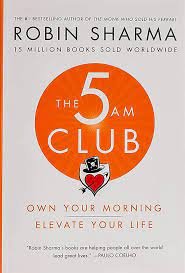
The 5 AM Club is a motivational productivity book that focuses on how your morning routine shapes the rest of your day. It is less about a strict wake-up time and more about creating a powerful start before the world begins asking for your attention.
Who it's for
Readers who want to build a better start to the day and create momentum early.
Why you'll like it
You will like it because it makes the case that your first hours set the tone for your mental energy, discipline, and opportunity. It is especially useful when you feel overwhelmed and want a healthier structure.
Key lessons
- The first hour of the day has outsized influence.
- Productivity is partly about recovery and rhythm, not only action.
- Your routine can create a calmer, more intentional life.
Pros
- Motivating and easy to follow.
- Good for readers who need a clearer morning structure.
Cons
- Can feel too idealistic for some schedules.
- Its lesson is broader than the early wake-up time itself.
My recommendation
Read this if you want a strong, motivating reset and a better sense of how your morning affects the rest of the day.
8. High Performance Habit by Brendon Burchard
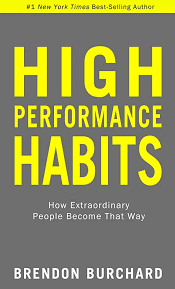
High Performance Habit is useful because it identifies the routines and beliefs that tend to separate high-performing people from people who stay stuck in reaction mode. It is less about hacks and more about the disciplines that produce steady output over time.
Who it's for
Readers who want more consistency, resilience, and energy in their work.
Why you'll like it
You will like it because it links productivity to beliefs and habits, not just discipline. It is practical and relatable for readers who are aiming to do more without burning out.
Key lessons
- High performers rely on repeatable routines.
- Energy and focus are shaped by habits, not only by time management.
- Productivity is often a system issue disguised as a motivation issue.
Pros
- Actionable and motivating.
- Useful for readers who want sustainable high output.
Cons
- Some advice can feel broad or repeated.
- It works best when paired with concrete systems.
My recommendation
Read this if you want to become more disciplined without turning your life into a constant grind.
9. The Power of Habit by Charles Duhigg
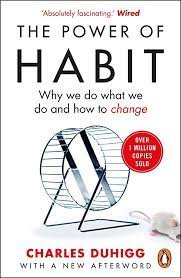
The Power of Habit is a powerful productivity book because it explains why people repeat behaviors without realizing it. It gives readers a framework for identifying their habit loops and replacing unhelpful patterns with more supportive ones.
Who it's for
Readers who want to understand the behavior behind their habits and procrastination.
Why you'll like it
You will like it because it connects habit science to real life. It is especially helpful for people who want to know why they repeat unproductive cycles and what to do about them.
Key lessons
- Habits are built through repeated cues and rewards.
- Changing a habit begins with understanding the loop beneath it.
- Productivity is more sustainable when it comes from systems you understand.
Pros
- Insightful and accessible.
- Helpful for long-term behavior change.
Cons
- Less tactical than some books on this list.
- It works best when paired with action.
My recommendation
Read this if you want to understand the root of your habits before trying to fix them.
10. The Compound Effect by Darren Hardy
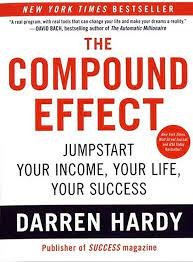
The Compound Effect is one of the clearest productivity books about the power of small wins. It reminds readers that consistency matters more than intensity and that modest daily actions, repeated over time, often create the most durable progress.
Who it's for
Readers who want a simple, repeatable path to better output and stronger habits.
Why you'll like it
You will like it because it is encouraging without being vague. It is a strong reminder that productivity is not about one big breakthrough; it is about the sum of choices made repeatedly over time.
Key lessons
- Small actions compound into meaningful results.
- Consistency beats occasional intensity.
- Daily decisions are more important than dramatic plans.
Pros
- Simple and motivating.
- Useful for building better daily routines.
Cons
- Some readers may want more depth than it offers.
- It works best as a practical reminder rather than a detailed system.
My recommendation
Read this if you want a practical reminder that real productivity grows from repeated decisions, not from big bursts of effort.
Which Productivity Book Should You Read First?
If you need a fast improvement in focus, start with Deep Work. If you want better routines and long-term consistency, choose Atomic Habits. If your main issue is distraction, read Indistractable. The best productivity books are the ones that match the problem you are trying to solve, not the ones with the most impressive title.