10 Best Books for Discipline
If you are looking for the best books for discipline, the real goal is probably bigger than finding another title for your shelf. You want a book that changes the way you handle ordinary days: the conversation you avoid, the task you delay, the thought that loops at night, the decision that keeps getting postponed.
This guide is written in that spirit. I have chosen books that are practical enough to use, thoughtful enough to reread, and broad enough to help different kinds of readers. Some are research-based. Some are story-driven. Some are direct and tactical. Together, they give you a rounded path for discipline without turning personal growth into a pile of generic advice.
What Is the Best Book for Discipline?
There isn't a single "best" book for everyone. The right choice depends on the problem you want to solve. Below are quick pairings to help you choose based on common challenges:
- Building daily habits: Atomic Habits
- Developing self-control and character: Discipline Is Destiny
- Overcoming procrastination and resistance: The War of Art
- Increasing mental toughness: Can't Hurt Me
- Understanding willpower scientifically: The Willpower Instinct
- Long-term persistence and grit: Grit
- Making small actions compound: The Compound Effect
Read one that solves your current sticking point, apply one lesson for a week, and then reassess.
Quick Picks
- Best overall: Atomic Habits
- Best practical follow-up: Discipline Is Destiny
- Best for deeper mindset work: The War of Art
- Best if you want one small action today: Can't Hurt Me
Comparison Table
| Book | Best For | Discipline Focus | Style |
|---|---|---|---|
| Atomic Habits | Building daily routines | Consistency and systems to make habits automatic | Practical |
| Discipline Is Destiny | Character and self-command | Self-control framed as virtue and identity | Reflective |
| The War of Art | Overcoming resistance | Defeating procrastination and creative resistance | Direct |
| The 7 Habits of Highly Effective People | Principles and priorities | Personal leadership and deliberate routines | Story-driven |
| Can't Hurt Me | Mental toughness | Pushing through discomfort to build discipline | Motivational |
| The Willpower Instinct | Understanding willpower | Science of self-control and practical exercises | Research-based |
| Grit | Long-term perseverance | Passion + persistence as a discipline strategy | Research-backed |
| The Compound Effect | Small decisions add up | Consistency and cumulative results over time | Practical |
| Meditations | Daily reflection and self-mastery | Emotional regulation and steady habits of thought | Philosophical |
| The 5 Second Rule | Immediate action | Simple trigger to interrupt hesitation and start tasks | Motivational |
How I Chose These Books
I looked for books that match how people actually change: slowly, unevenly, and through repeated practice. A good recommendation for discipline should do more than sound impressive. It should help you understand yourself, make one better choice today, and return to the page when the first burst of motivation fades.
I also considered usefulness for different readers. Readers who want to keep promises to themselves when motivation is low do not all need the same kind of book. That is why this list includes classic self-help, psychology, habit design, communication, focus, emotional awareness, and values-based action where relevant.
1. Atomic Habits by James Clear
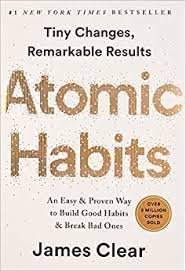
Atomic Habits gives a clear framework for turning tiny actions into automatic behaviors. Its value for discipline is practical: it shows how to design systems and environments so discipline becomes the easy default rather than a daily struggle.
Who it's for
Readers who want step-by-step methods to build routines, track progress, and reduce decision friction. Useful when you need repeatable, small changes that compound into reliable discipline.
How it helps with discipline
Focuses on identity-based habits: change what you believe about yourself, then design cues and environments to make the right action automatic.
Key lessons
- Make habits obvious, attractive, easy, and satisfying to increase follow-through.
- Small improvements repeated daily produce large gains over months and years.
- Tie actions to identity ("I am the kind of person who…") to strengthen long-term discipline.
Pros
- Useful and relevant to the topic.
- Strong enough to recommend as part of a serious personal development reading list.
Cons
- Local image or affiliate link may need to be added manually.
- You will get the most value if you pause and apply the exercises instead of reading straight through.
My recommendation
Use this as a supporting read after you finish the top two recommendations. I would not read it passively. Keep a note open, choose one idea, and test it for seven days. That simple follow-through is what separates a helpful book from a book that only feels helpful while you are reading it.
2. Discipline Is Destiny by Ryan Holiday
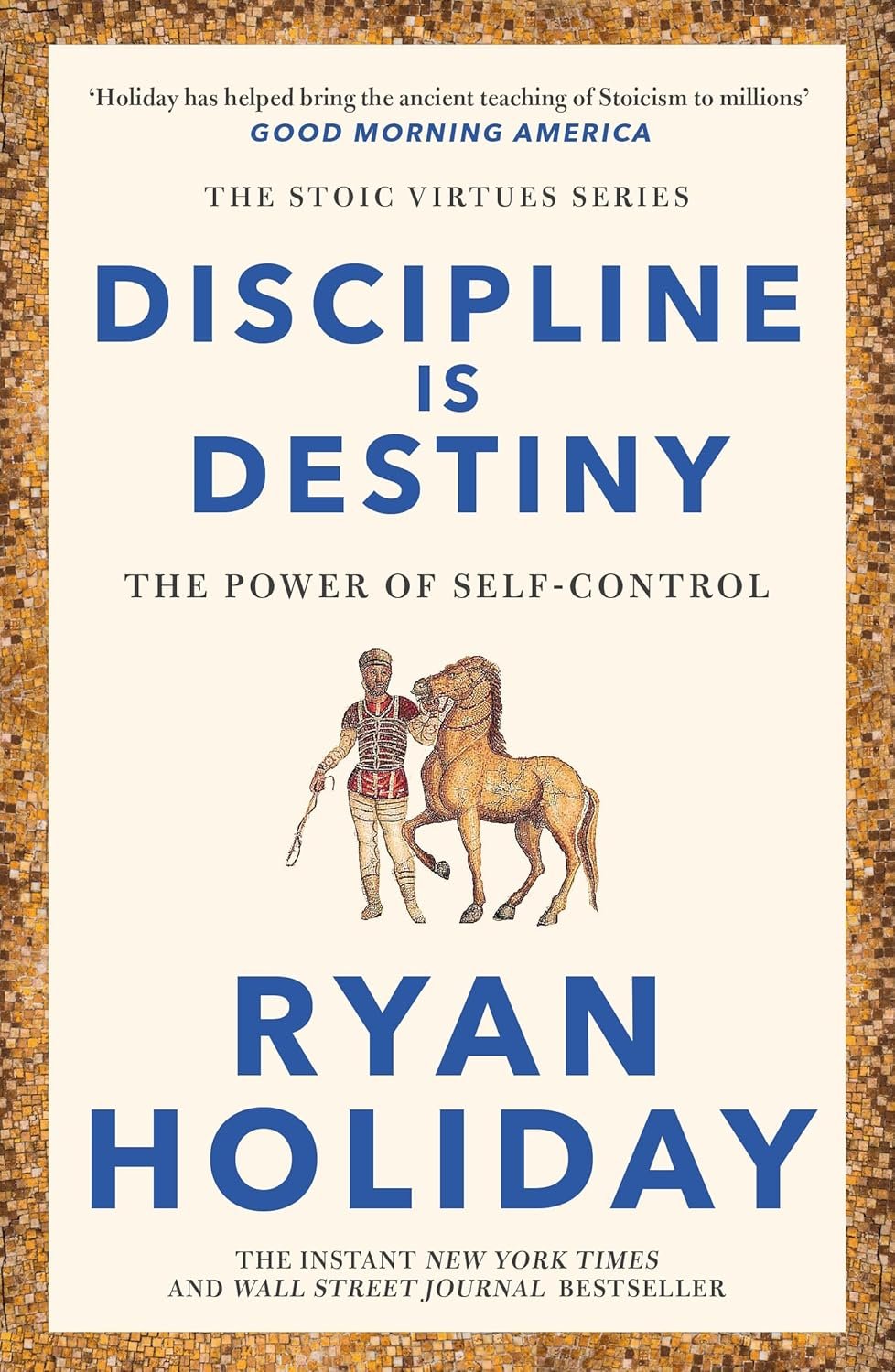
Ryan Holiday reframes discipline as a moral and practical habit rooted in character. This book is less about tactics and more about why restraint matters—useful when you need the language and examples to recommit to sustained self-control.
Who it's for
Readers looking for a principled argument that links discipline to purpose, reputation, and long-term flourishing.
How it helps with discipline
Offers historical examples and Stoic reasoning to build resolve and clarify why small self-denying choices are necessary for a disciplined life.
Key lessons
- Discipline is a form of freedom: choosing what matters over fleeting impulses.
- Consistent standards shape character and decisions more reliably than occasional motivation.
- Use stories and role models to translate abstract virtues into everyday practices.
Pros
- Readable and inspiring.
- Strong enough to recommend as part of a serious personal development reading list.
Cons
- More philosophical than tactical.
- You will get the most value if you pause and apply the exercises instead of reading straight through.
My recommendation
Best for readers who like timeless examples and moral clarity. I would not read it passively. Keep a note open, choose one idea, and test it for seven days. That simple follow-through is what separates a helpful book from a book that only feels helpful while you are reading it.
3. The War of Art by Steven Pressfield

Pressfield's book identifies "Resistance" as the internal force that keeps us from doing work that matters. It's a short, fierce primer for anyone whose main discipline problem is starting and sustaining creative or difficult tasks.
Who it's for
Writers, creators, and anyone who procrastinates on meaningful work because of fear, doubt, or inertia.
How it helps with discipline
Names the enemy (Resistance) and prescribes daily practices—show up, start small, treat work like a job—to reduce avoidance and build consistent output.
Key lessons
- Show up every day; treat creative work as a professional obligation, not a hobby.
- Action defeats fear—begin before you're ready and momentum will follow.
- Short, steady rituals beat occasional bursts of inspiration for long-term productivity.
Pros
- Useful and relevant to the topic.
- Strong enough to recommend as part of a serious personal development reading list.
Cons
- Local image or affiliate link may need to be added manually.
- You will get the most value if you pause and apply the exercises instead of reading straight through.
My recommendation
Use this as a supporting read after you finish the top two recommendations. I would not read it passively. Keep a note open, choose one idea, and test it for seven days. That simple follow-through is what separates a helpful book from a book that only feels helpful while you are reading it.
4. The 7 Habits of Highly Effective People by Stephen R. Covey
Covey's classic focuses on principles that support disciplined living: proactivity, prioritization, and aligning actions with values. It's useful when discipline needs an organizing framework rather than a single tactic.
Who it's for
Readers who want to reorder priorities, create weekly routines, and tie discipline to long-term goals and relationships.
How it helps with discipline
Provides a clear structure for setting principles and translating them into consistent practices and habits.
Key lessons
- Begin with the end in mind: define your roles and goals to shape disciplined choices.
- Put first things first: schedule what matters to avoid reactive living.
- Habit stacks and interdependent practices support sustained effectiveness.
Pros
- Useful and relevant to the topic.
- Strong enough to recommend as part of a serious personal development reading list.
Cons
- Local image or affiliate link may need to be added manually.
- You will get the most value if you pause and apply the exercises instead of reading straight through.
My recommendation
Use this as a supporting read after you finish the top two recommendations. I would not read it passively. Keep a note open, choose one idea, and test it for seven days. That simple follow-through is what separates a helpful book from a book that only feels helpful while you are reading it.
5. Can't Hurt Me by David Goggins
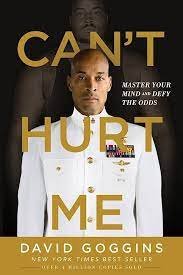
David Goggins writes from extreme personal experience. His approach to discipline is about setting hard standards, embracing suffering, and expanding what you consider possible. It's not tactical in a gentle way, but it's highly motivating when you need to push beyond perceived limits.
Who it's for
People who respond to strict accountability and want practices that strengthen discomfort tolerance and resilience.
How it helps with discipline
Teaches practical mental frameworks—callusing the mind, using challenges as training, and auditing daily performance—to make discipline non-negotiable.
Key lessons
- Set audacious standards and small daily tests to expand your capacity.
- Use hardship deliberately to rebuild habits and mental toughness.
- Accountability and measurement turn vague intentions into concrete discipline.
Pros
- Useful and relevant to the topic.
- Strong enough to recommend as part of a serious personal development reading list.
Cons
- Local image or affiliate link may need to be added manually.
- You will get the most value if you pause and apply the exercises instead of reading straight through.
My recommendation
Use this as a supporting read after you finish the top two recommendations. I would not read it passively. Keep a note open, choose one idea, and test it for seven days. That simple follow-through is what separates a helpful book from a book that only feels helpful while you are reading it.
6. The Willpower Instinct by Kelly McGonigal
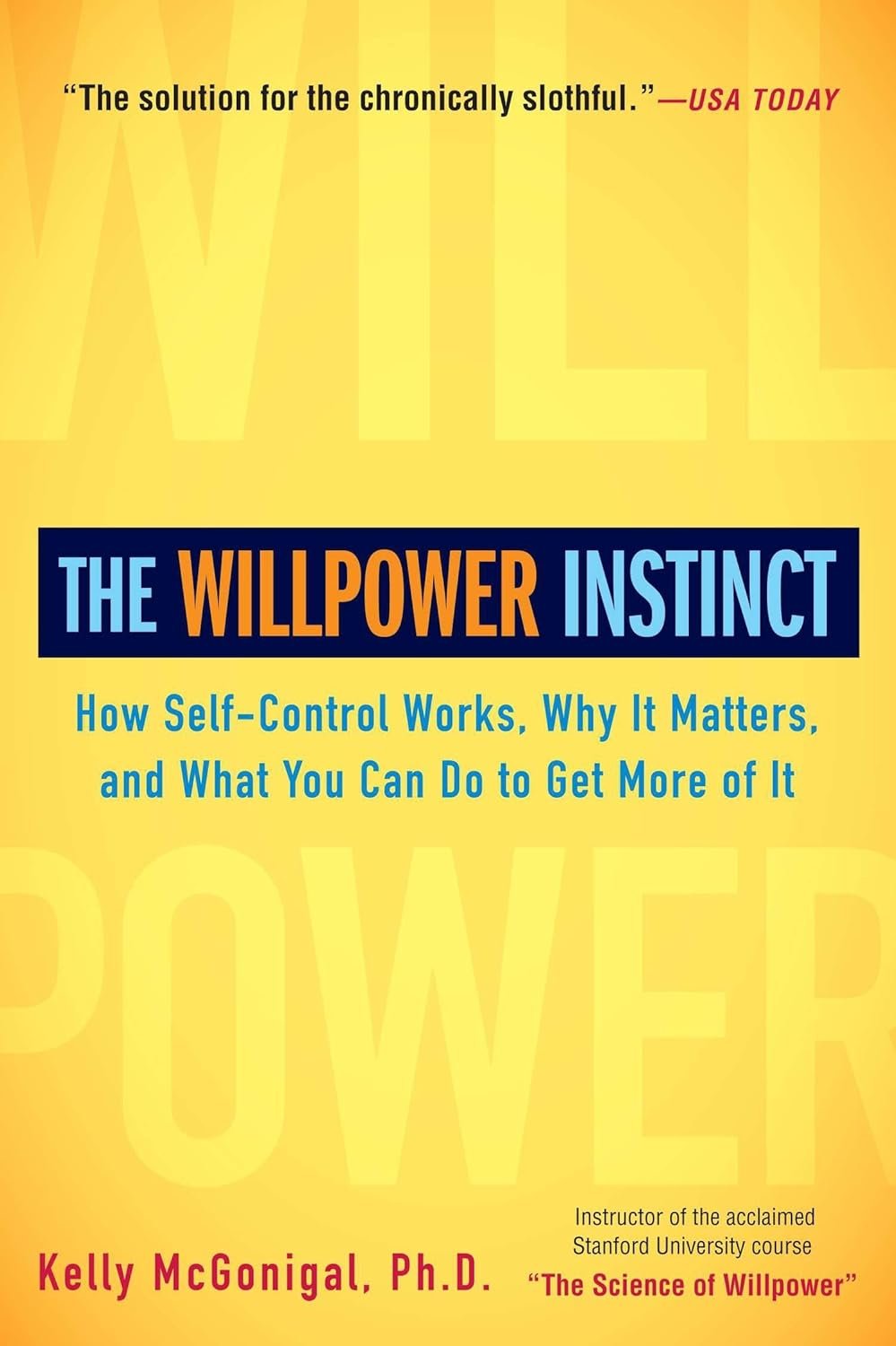
McGonigal offers a research-informed look at why willpower fluctuates and practical exercises to strengthen it. This book is ideal when discipline feels like a finite resource that unpredictably runs out.
Who it's for
Readers who prefer evidence-based tools—brief exercises, reframing, and recovery techniques—to improve everyday self-control.
How it helps with discipline
Breaks down self-control into measurable behaviors and shows how stress, sleep, and habits affect willpower.
Key lessons
- Willpower can be trained with targeted practices and environmental design.
- Recovery and self-compassion are part of sustainable discipline, not weakness.
- Small wins and planning reduce reliance on momentary willpower.
Pros
- Practical and research-rich.
- Strong enough to recommend as part of a serious personal development reading list.
Cons
- Some chapters require slow reading.
- You will get the most value if you pause and apply the exercises instead of reading straight through.
My recommendation
Read this if you want the psychology behind discipline. I would not read it passively. Keep a note open, choose one idea, and test it for seven days. That simple follow-through is what separates a helpful book from a book that only feels helpful while you are reading it.
7. Grit by Angela Duckworth
Angela Duckworth argues that passion and perseverance—what she calls grit—predicts success more than talent. For discipline, grit is about staying committed to long-term goals despite setbacks.
Who it's for
People pursuing long-term ambitions who need strategies to maintain motivation and consistency over years.
How it helps with discipline
Explains how practice, interest development, and deliberate goal setting create the scaffolding for sustained discipline.
Key lessons
- Consistency of effort and deliberate practice compound over years.
- Developing interest and purpose makes long-term discipline more sustainable.
- Failure is feedback; grit converts setbacks into learning opportunities.
Pros
- Useful and relevant to the topic.
- Strong enough to recommend as part of a serious personal development reading list.
Cons
- Local image or affiliate link may need to be added manually.
- You will get the most value if you pause and apply the exercises instead of reading straight through.
My recommendation
Use this as a supporting read after you finish the top two recommendations. I would not read it passively. Keep a note open, choose one idea, and test it for seven days. That simple follow-through is what separates a helpful book from a book that only feels helpful while you are reading it.
8. The Compound Effect by Darren Hardy
Darren Hardy emphasizes that small, smart choices made consistently create significant results. This book is practical and prescriptive for anyone who underestimates the power of daily actions.
Who it's for
Readers who want a pragmatic approach to discipline that focuses on measurable daily habits and long-term tracking.
How it helps with discipline
Provides systems for tracking progress, eliminating small losses, and designing simple routines that compound into visible improvement.
Key lessons
- Small, consistent behaviors produce outsized long-term results.
- Track and measure simple metrics to keep discipline honest.
- Cut tiny bad decisions to free energy for positive habits.
Pros
- Useful and relevant to the topic.
- Strong enough to recommend as part of a serious personal development reading list.
Cons
- Local image or affiliate link may need to be added manually.
- You will get the most value if you pause and apply the exercises instead of reading straight through.
My recommendation
Use this as a supporting read after you finish the top two recommendations. I would not read it passively. Keep a note open, choose one idea, and test it for seven days. That simple follow-through is what separates a helpful book from a book that only feels helpful while you are reading it.
9. Meditations by Marcus Aurelius
Marcus Aurelius offers short reflections that cultivate inner steadiness. For discipline, his pages teach how to regulate emotions, reframe hardship, and maintain perspective—practical skills for daily self-control.
Who it's for
Readers who seek mental clarity and consistent inner practices rather than tactical habit lists.
How it helps with discipline
Short meditations help you recognize reactive impulses and choose responses aligned with long-term principles.
Key lessons
- Daily reflection sharpens judgment and reduces impulsive reactivity.
- Accepting what you cannot control preserves energy for disciplined action.
- Regular journaling or short readings anchor steady practice.
Pros
- Short passages reward rereading.
- Strong enough to recommend as part of a serious personal development reading list.
Cons
- Not structured like a modern guide.
- You will get the most value if you pause and apply the exercises instead of reading straight through.
My recommendation
Keep it nearby and read a page when discipline feels heavy. I would not read it passively. Keep a note open, choose one idea, and test it for seven days. That simple follow-through is what separates a helpful book from a book that only feels helpful while you are reading it.
10. The 5 Second Rule by Mel Robbins
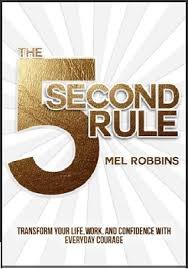
Mel Robbins's core idea is simple: count down and act before your brain manufactures excuses. For many people, discipline falters at the start; this book gives a straightforward tactic to interrupt hesitation and create momentum.
Who it's for
Readers who need a practical trigger to start tasks and want a low-friction way to beat indecision.
How it helps with discipline
Provides an immediate, repeatable technique to convert intention into action and reduce decision paralysis.
Key lessons
- Use a short countdown to break hesitation and start tasks promptly.
- Build small wins by consistently practicing immediate action.
- Combine micro-actions with longer routines to sustain discipline.
Pros
- Useful and relevant to the topic.
- Strong enough to recommend as part of a serious personal development reading list.
Cons
- Local image or affiliate link may need to be added manually.
- You will get the most value if you pause and apply the exercises instead of reading straight through.
My recommendation
Use this as a supporting read after you finish the top two recommendations. I would not read it passively. Keep a note open, choose one idea, and test it for seven days. That simple follow-through is what separates a helpful book from a book that only feels helpful while you are reading it.
Atomic Habits vs Discipline Is Destiny
Atomic Habits is the stronger behavior system; Discipline Is Destiny is the stronger character argument. If you want the most efficient choice, ask what is blocking you right now. Choose the first when you need action and structure. Choose the second when you need insight, language, or a deeper emotional reset.
Can't Hurt Me vs The Willpower Instinct
Can't Hurt Me is intense and story-driven; The Willpower Instinct is calmer and more science-based. Both are worthwhile, but they serve different moods. One gives you a map; the other changes the energy with which you approach the map. That difference matters because the best book is not always the most famous one. It is the one you will actually use this month.
Which Book Should You Read Next?
For most readers, I would start with Atomic Habits. It gives the list a strong center. If you want something more practical, go to Discipline Is Destiny. If you want a deeper mindset shift, choose The War of Art. The important thing is not to race through all ten books. Read one, underline the idea that hits closest to home, and build a small experiment around it.
That is the BookReadersHub standard I care about most: a recommendation should help you choose, not just browse. A good book does not transform your life by sitting in a cart. It transforms your life when it changes one repeatable behavior.
Best Discipline Books Based on Your Goal
Pick a book based on the specific discipline problem you want to solve:
- Struggle to start or procrastinate: The War of Art, The 5 Second Rule
- Can't maintain daily routines: Atomic Habits, The Compound Effect
- Want more self-control and character: Discipline Is Destiny, The Willpower Instinct
- Need mental toughness: Can't Hurt Me
- Long-term consistency and perseverance: Grit
- Emotional regulation and steadiness: Meditations
Discipline vs Motivation: What's the Difference?
Motivation is a short-lived feeling; discipline is the structure that keeps you moving when motivation fades. Key differences:
- Motivation: Variable, emotional, often task-specific.
- Discipline: Consistent action supported by systems, identity, and environment.
Ways to favor discipline over motivation:
- Design your environment to reduce friction for the desired behavior.
- Use micro-habits and routines so actions require less conscious willpower.
- Track progress and set small measurable goals to create momentum.