Think and Grow Rich Summary for Entrepreneurs (Modern Interpretation for 2026)
Most entrepreneurs don't fail because of lack of strategy.
They fail because of lack of belief.
When I first read Think and Grow Rich, I expected outdated advice from the 1930s. Instead, I found something surprisingly relevant — a framework for building mental strength, clarity, and long-term wealth.
Written by Napoleon Hill, Think and Grow Rich remains one of the most influential personal development books ever published.
This is not a traditional summary.
This is a modern interpretation for entrepreneurs in 2026.
If you’re building your entrepreneurial foundation, explore our entrepreneur reading guide for more powerful books.
What Is Think and Grow Rich About?
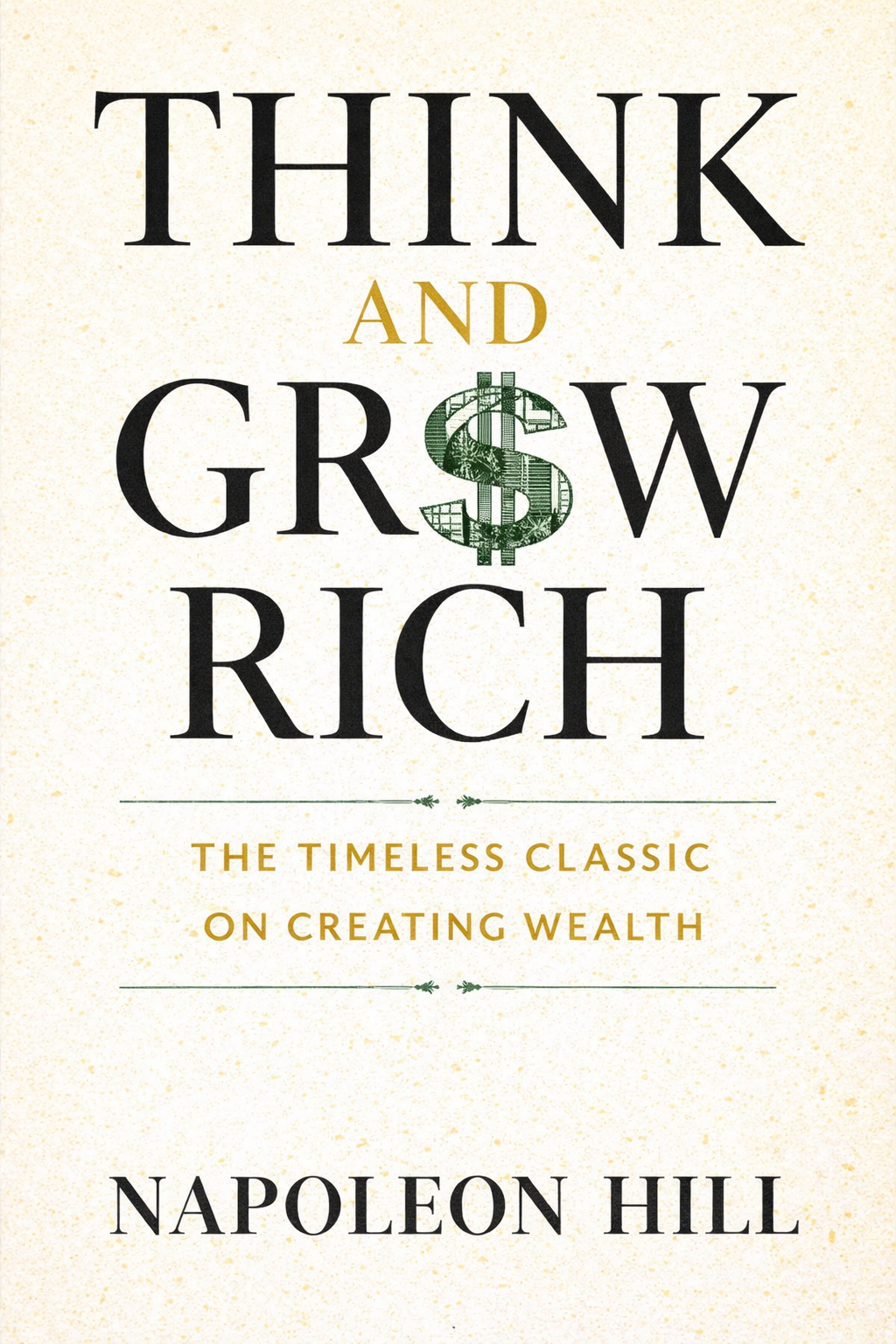
Published in 1937, the book is based on Hill's study of successful individuals like:
- Andrew Carnegie
- Thomas Edison
- Henry Ford
But the real subject of the book isn't money.
It's mindset.
Hill argues that wealth begins with thought — and that sustained belief combined with action creates results.
The 13 Principles of Think and Grow Rich (Explained for Entrepreneurs)
1. Desire — The Starting Point of Achievement
Vague wishes don't build companies.
Clear, burning desire does.
Hill insists you must:
- Define exactly what you want
- Know what you're willing to give in return
- Set a deadline
Modern version?
- Revenue goal
- Business vision
- Execution plan
Clarity drives commitment.
2. Faith — Visualizing Success Before It Exists
Before results show up externally, they must exist internally.
Entrepreneurs must believe:
- Their product will work
- Their system will scale
- Their effort will compound
Faith isn't blind optimism. It's reinforced belief through repetition.
3. Autosuggestion — Reprogramming Your Mind
Hill suggests repeating affirmations daily.
In 2026 terms:
- Positive self-talk
- Mental conditioning
- Identity reinforcement
Instead of:
“I hope this works.”
Say:
“I am building something valuable.”
Over time, your subconscious aligns with action.
4. Specialized Knowledge — Not General Information
Successful entrepreneurs don't try to know everything.
They master:
- One skill
- One industry
- One system
Depth beats distraction.
In my experience, focusing deeply on one niche produces more results than chasing trends.
5. Imagination — The Workshop of the Mind
Every product begins as an idea.
Hill distinguishes between:
- Synthetic imagination (improving existing ideas)
- Creative imagination (creating new concepts)
Innovation drives growth.
6. Organized Planning — Ideas Need Structure
Dreams without execution remain dreams.
Hill emphasizes:
- Clear plans
- Collaboration
- Strategic adjustments
Modern founders call this:
- Roadmaps
- Sprints
- Iterations
Execution turns belief into revenue.
7. Decision — Eliminate Indecision
Successful people decide quickly and change slowly.
Unsuccessful people decide slowly and change quickly.
Indecision kills momentum.
In business, speed often beats perfection.
8. Persistence — The Most Underrated Skill
Most entrepreneurs quit too early.
Hill observed that persistence separates winners from quitters.
In reality:
- Traffic may take months
- Revenue may take years
- Growth may feel invisible
Consistency compounds — just like in Atomic Habits Summary for Entrepreneurs .
9. The Mastermind Principle — Surround Yourself Wisely
No one builds wealth alone.
Modern version:
- Mentors
- Business communities
- Accountability partners
Environment shapes ambition.
10. The Subconscious Mind — Guard Your Inputs
Your mind absorbs what you feed it.
- Negativity
- Comparison
- Fear
Protect your mental diet.
11. The Brain — A Broadcasting Station
Focused thinking influences behavior. Focused behavior produces results.
12. The Sixth Sense — Intuition
After long periods of focused effort, intuition improves.
- Gut feeling
- Pattern recognition
- Experience-based instinct
13. Transmutation of Energy — Channeling Drive Productively
Redirect emotional energy into productive output.
Ambition, frustration, excitement — all can fuel growth when focused.
How Think and Grow Rich Applies to Entrepreneurs in 2026
Some language in the book feels old.
But the principles are timeless:
- Clear vision
- Strong belief
- Persistent execution
- Strategic networking
- Mental discipline
Wealth today may come from:
- SaaS
- Content creation
- Startups
- Digital products
The psychology remains unchanged.
Think and Grow Rich vs Deep Work — What's the Difference?
- Think and Grow Rich builds belief.
- Deep Work builds focus.
- Atomic Habits builds systems.
Together, they create a powerful entrepreneurial mindset stack.
If you haven't read our breakdown of Deep Work Summary for Entrepreneurs , it complements this philosophy perfectly.
Who Should Read Think and Grow Rich?
- Entrepreneurs building from scratch
- Founders facing self-doubt
- Individuals seeking financial growth
- Anyone who needs mental reinforcement
It is less tactical and more psychological.
Sometimes mindset is the missing piece.
Key Quotes
“Whatever the mind can conceive and believe, it can achieve.”
“Strength and growth come only through continuous effort and struggle.”
Action Plan for Entrepreneurs
- Define your exact financial goal.
- Write it down clearly.
- Read it aloud daily.
- Build a concrete plan.
- Persist for at least 12 months.
No shortcuts.
Final Thoughts
Think and Grow Rich is not a business manual.
It's a mental conditioning guide.
In a world obsessed with tools and tactics, this book reminds entrepreneurs of something foundational:
Your mindset determines your ceiling.
If you combine belief with execution, progress becomes inevitable.