10 Best Books for Beginners Who Want to Build a Reading Habit
The best book for a beginner is not always the shortest book or the most famous book. It is the book that makes you want to return tomorrow. A beginner-friendly reading list should include clear writing, strong momentum, emotional payoff, and enough variety to help you discover your taste.
This guide follows the Book Readers Hub standard: useful recommendations, honest limitations, quick picks for busy readers, and enough detail to help you choose the right next book without opening ten tabs.
What Is the Best Book for Beginners?
If you want a single strong starting point, The Alchemist is often the best book for beginners because it is short, motivating, and easy to finish. If you want a more practical nonfiction choice, Atomic Habits is excellent for building a reading routine and applying better habits in real life.
Quick Picks
- Best overall: The Alchemist
- Best practical nonfiction: Atomic Habits
- Best fiction classic: The Hobbit
- Best short classic: Animal Farm
Comparison Table
| Book | Best For | Why It Stands Out |
|---|---|---|
| 1. The Alchemist | A simple story about dreams and courage | New readers who want a hopeful, reflective book. |
| 2. Atomic Habits | Practical habit-building | Readers who want immediate real-life use. |
| 3. The Hobbit | Adventure and imagination | Readers who want story, comfort, and wonder. |
| 4. Animal Farm | Power and politics in a short allegory | Beginners who want a classic they can finish quickly. |
| 5. The Psychology of Money | Money behavior and patience | Beginners interested in finance and life decisions. |
| 6. The Little Prince | Wonder, love, and growing up | Readers who want a small book with emotional meaning. |
| 7. The Great Gatsby | Ambition and illusion | Readers ready for elegant prose and social drama. |
| 8. Tuesdays with Morrie | Life lessons, aging, and meaning | Readers who like gentle nonfiction. |
| 9. The Old Man and the Sea | Endurance, pride, and struggle | Beginners curious about classics. |
| 10. Who Moved My Cheese? | Change and adaptation | Readers who want a quick, simple business parable. |
How I Chose These Books
I looked for books that have a durable reason to be recommended: a useful framework, a memorable story, a strong reputation among readers, or a perspective that adds something new to the topic. I avoided filling the list with near-duplicates, because ten books that say the same thing do not help you choose.
I also considered readability. These articles are meant for real readers, including mobile readers, so each recommendation explains who the book is for, why it works, and where it may not be the best fit. A good book list should save you time, not just create a longer wishlist.
1. The Alchemist by Paulo Coelho
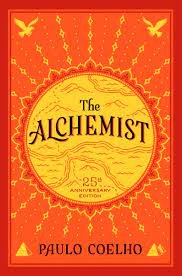
The Alchemist earns its place here because it is strong for a simple story about dreams and courage. Its fable-like style makes it easy to finish and easy to discuss.
Who it's for
New readers who want a hopeful, reflective book.
Why you'll like it
You will like it if you want a book with a clear point of view rather than a title that is famous for vague reasons. It gives you enough story, evidence, or practical framing to remember the idea after you close the book.
Key lessons
- Listen to recurring desires.
- Fear often guards the next step.
- The journey changes the dream.
Pros
- Short and approachable.
- Emotionally encouraging.
Cons
- Some readers find it too simple.
- More fable than realistic novel.
My recommendation
A warm first pick for building reading confidence. If you are choosing between several books on this page, read a sample first and notice which voice makes you want to keep going. The best recommendation is the one you will actually finish and use.
2. Atomic Habits by James Clear
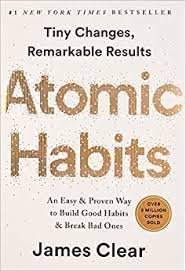
Atomic Habits earns its place here because it is strong for practical habit-building. It helps beginners build the reading habit while also improving daily routines.
Who it's for
Readers who want immediate real-life use.
Why you'll like it
You will like it if you want a book with a clear point of view rather than a title that is famous for vague reasons. It gives you enough story, evidence, or practical framing to remember the idea after you close the book.
Key lessons
- Make habits obvious and easy.
- Identity supports repetition.
- Small actions compound.
Pros
- Very clear and useful.
- Short sections suit mobile reading.
Cons
- Popular ideas may feel familiar.
- Needs application.
My recommendation
Read one chapter, then apply one idea. If you are choosing between several books on this page, read a sample first and notice which voice makes you want to keep going. The best recommendation is the one you will actually finish and use.
3. The Hobbit by J.R.R. Tolkien
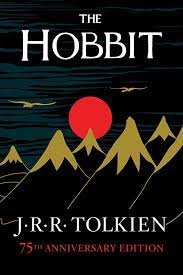
The Hobbit earns its place here because it is strong for adventure and imagination. It is welcoming fantasy with enough momentum to keep beginners turning pages.
Who it's for
Readers who want story, comfort, and wonder.
Why you'll like it
You will like it if you want a book with a clear point of view rather than a title that is famous for vague reasons. It gives you enough story, evidence, or practical framing to remember the idea after you close the book.
Key lessons
- Courage grows on the road.
- Small choices matter.
- Home gains meaning after adventure.
Pros
- Charming and accessible.
- Great for all ages.
Cons
- Episodic structure.
- Older style.
My recommendation
A lovely fiction gateway. If you are choosing between several books on this page, read a sample first and notice which voice makes you want to keep going. The best recommendation is the one you will actually finish and use.
4. Animal Farm by George Orwell
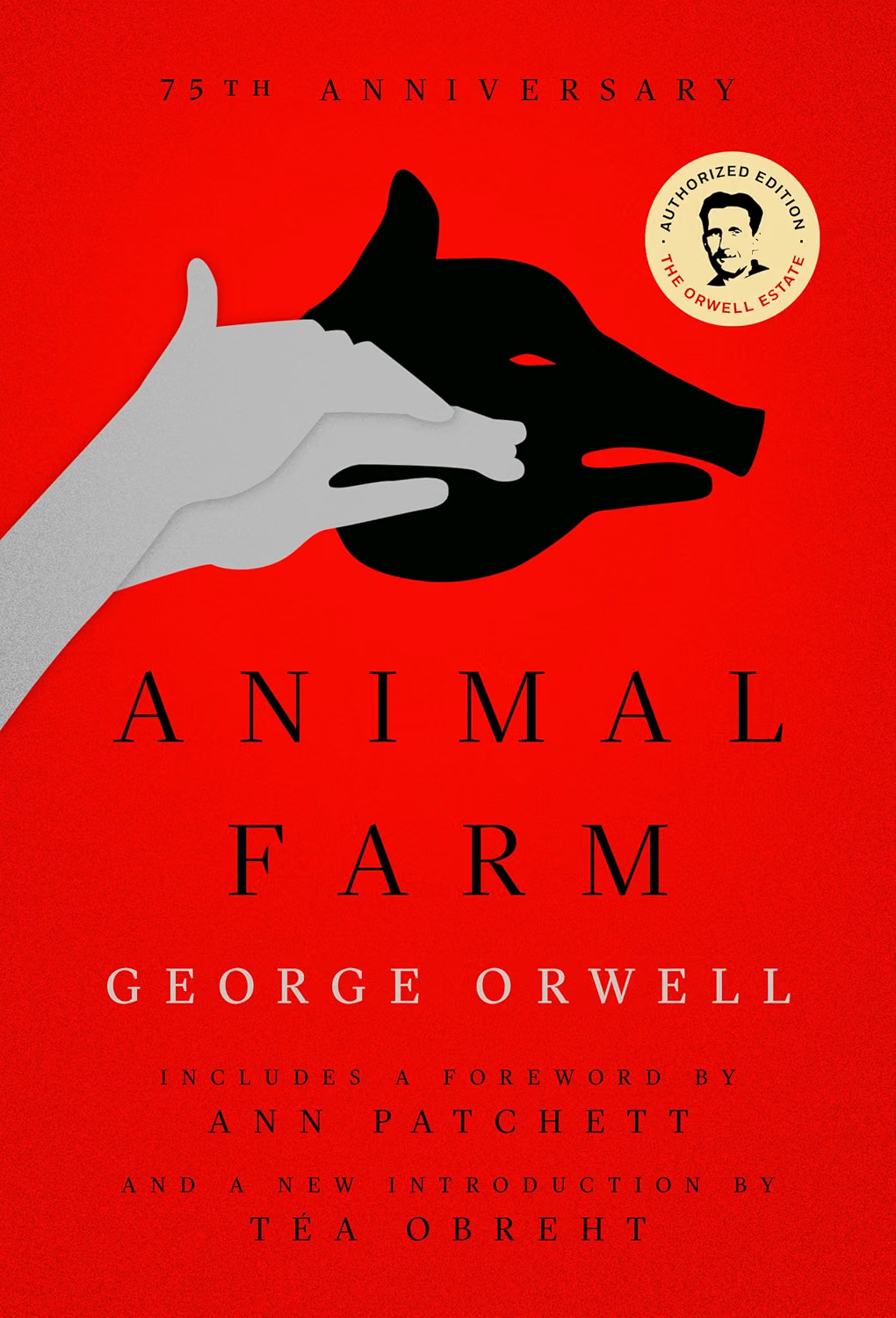
Animal Farm earns its place here because it is strong for power and politics in a short allegory. It is short, clear, and full of meaning beneath the surface.
Who it's for
Beginners who want a classic they can finish quickly.
Why you'll like it
You will like it if you want a book with a clear point of view rather than a title that is famous for vague reasons. It gives you enough story, evidence, or practical framing to remember the idea after you close the book.
Key lessons
- Power can corrupt language.
- Equality can be betrayed.
- Simple stories can carry hard truths.
Pros
- Very short.
- Excellent discussion book.
Cons
- Bleak.
- Political context helps.
My recommendation
Read it when you want a classic without intimidation. If you are choosing between several books on this page, read a sample first and notice which voice makes you want to keep going. The best recommendation is the one you will actually finish and use.
5. The Psychology of Money by Morgan Housel
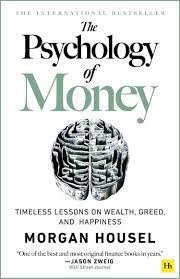
The Psychology of Money earns its place here because it is strong for money behavior and patience. Its short chapters make nonfiction feel friendly and useful.
Who it's for
Beginners interested in finance and life decisions.
Why you'll like it
You will like it if you want a book with a clear point of view rather than a title that is famous for vague reasons. It gives you enough story, evidence, or practical framing to remember the idea after you close the book.
Key lessons
- Behavior matters more than IQ.
- Enough is a real goal.
- Time is powerful.
Pros
- Accessible and practical.
- Great for rereading.
Cons
- Not a full investing guide.
- Anecdotal style.
My recommendation
A perfect first finance book. If you are choosing between several books on this page, read a sample first and notice which voice makes you want to keep going. The best recommendation is the one you will actually finish and use.
6. The Little Prince by Antoine de Saint-Exupery
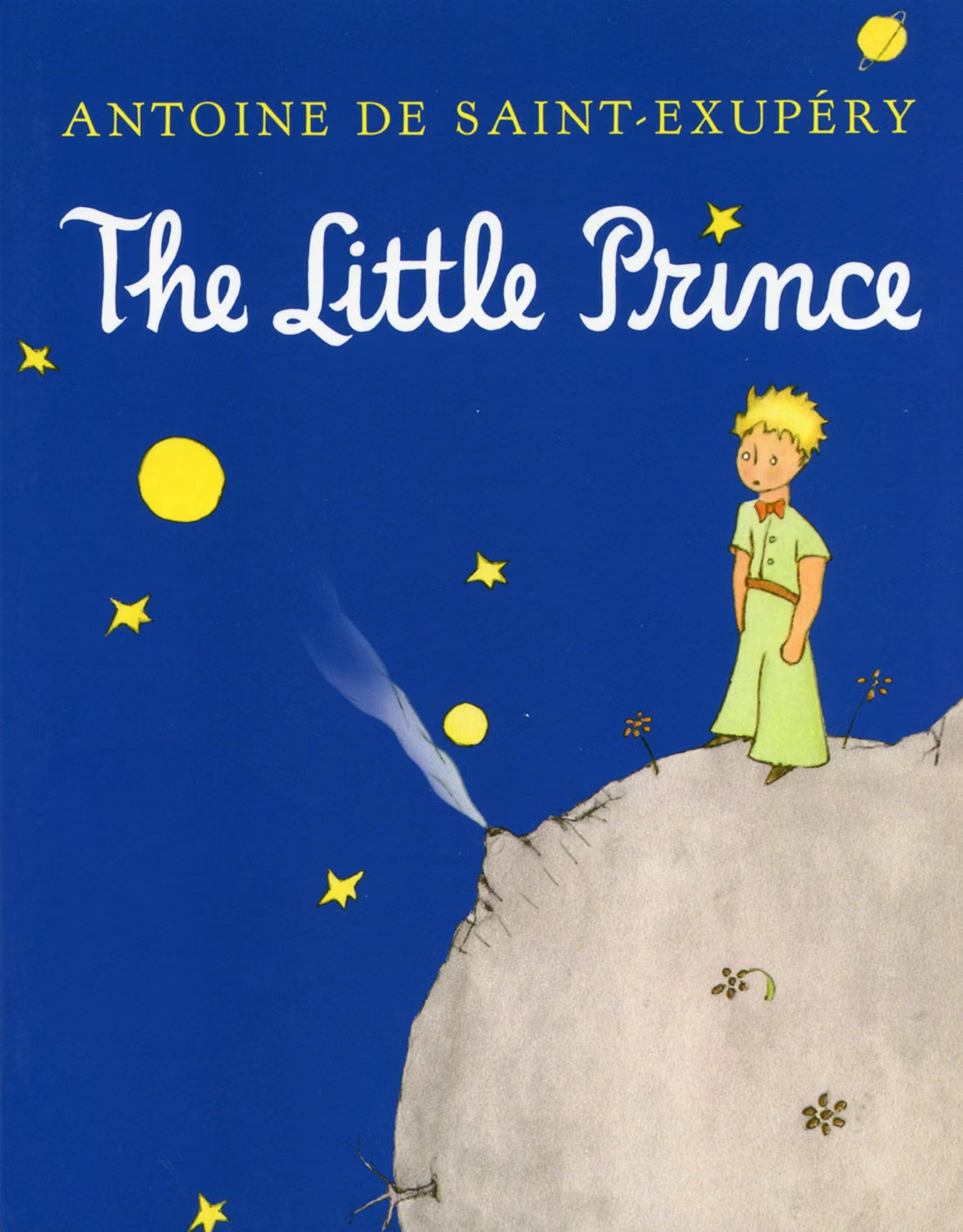
The Little Prince earns its place here because it is strong for wonder, love, and growing up. It is brief but surprisingly deep, which makes it ideal for new readers.
Who it's for
Readers who want a small book with emotional meaning.
Why you'll like it
You will like it if you want a book with a clear point of view rather than a title that is famous for vague reasons. It gives you enough story, evidence, or practical framing to remember the idea after you close the book.
Key lessons
- Adults often miss what matters.
- Love creates responsibility.
- Simplicity can be wise.
Pros
- Short and beautiful.
- Memorable lines.
Cons
- Symbolic style may feel unusual.
- Very gentle pace.
My recommendation
Read it in one sitting, then think about it for longer. If you are choosing between several books on this page, read a sample first and notice which voice makes you want to keep going. The best recommendation is the one you will actually finish and use.
7. The Great Gatsby by F. Scott Fitzgerald
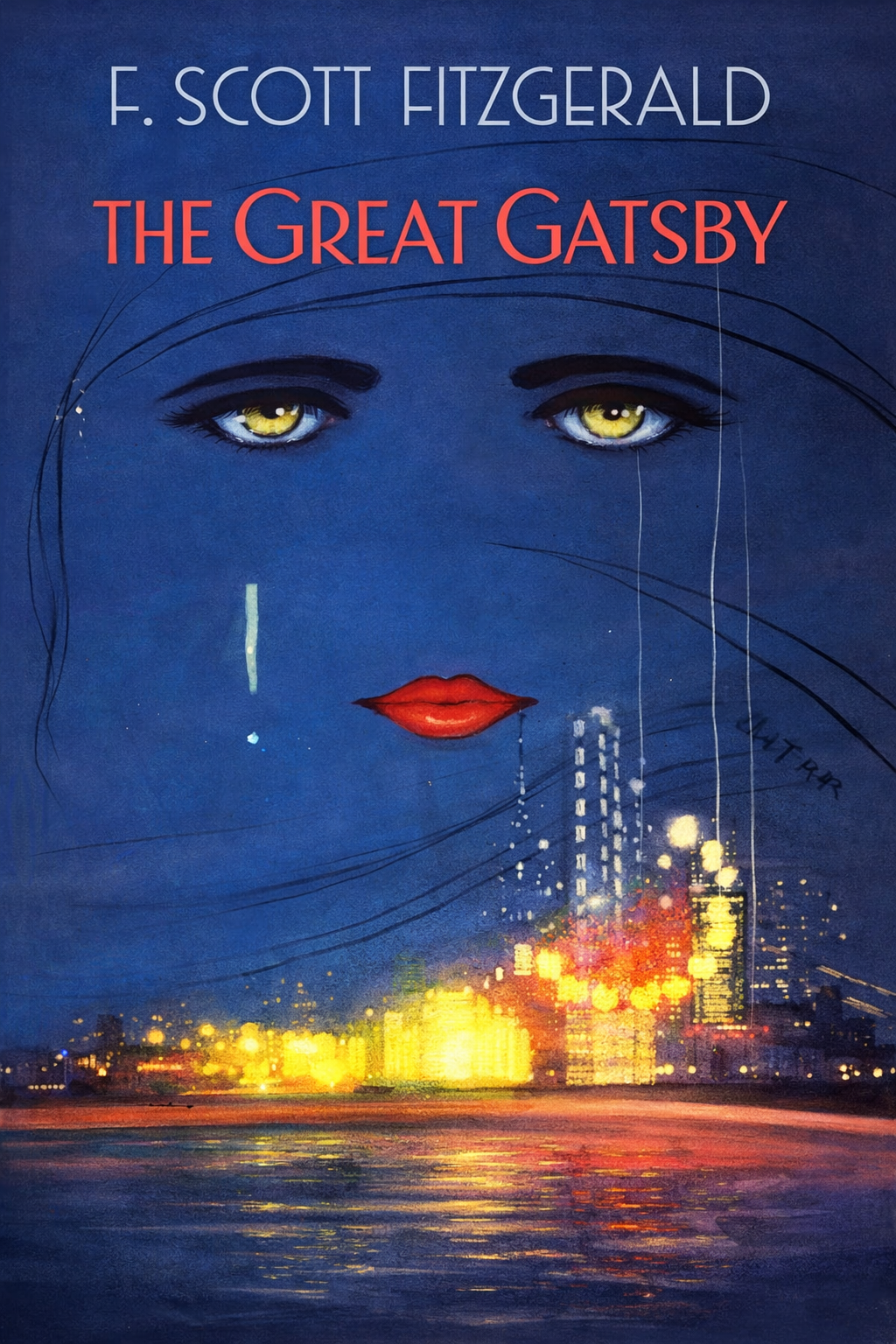
The Great Gatsby earns its place here because it is strong for ambition and illusion. It gives beginners a classic literary experience without a huge page count.
Who it's for
Readers ready for elegant prose and social drama.
Why you'll like it
You will like it if you want a book with a clear point of view rather than a title that is famous for vague reasons. It gives you enough story, evidence, or practical framing to remember the idea after you close the book.
Key lessons
- Longing can distort reality.
- Wealth is not fulfillment.
- The past cannot be fully recovered.
Pros
- Short and famous.
- Beautifully written.
Cons
- Subtle emotions.
- Some symbolism may need context.
My recommendation
A strong first literary classic. If you are choosing between several books on this page, read a sample first and notice which voice makes you want to keep going. The best recommendation is the one you will actually finish and use.
8. Tuesdays with Morrie by Mitch Albom
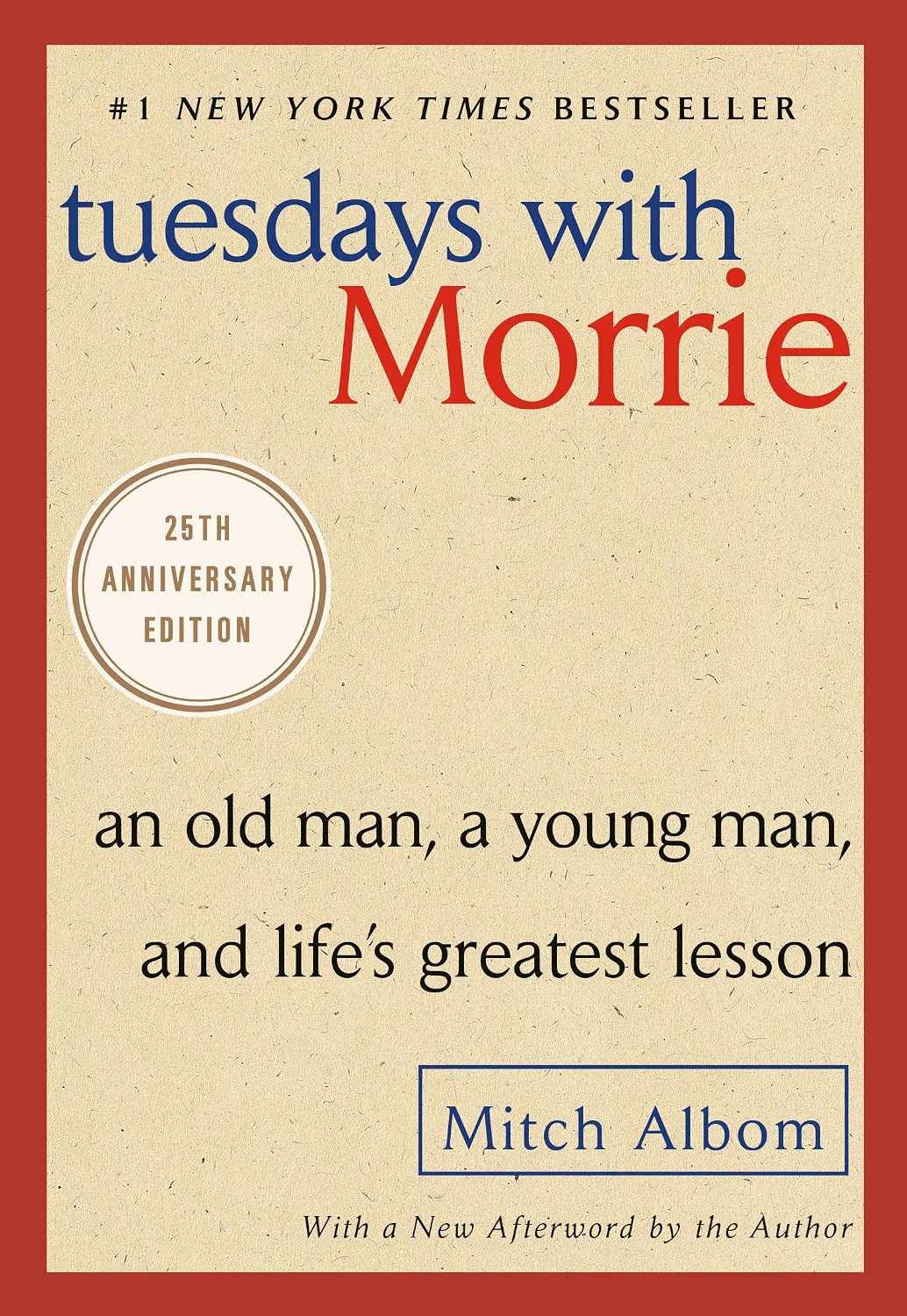
Tuesdays with Morrie earns its place here because it is strong for life lessons, aging, and meaning. It is conversational, emotional, and easy to follow.
Who it's for
Readers who like gentle nonfiction.
Why you'll like it
You will like it if you want a book with a clear point of view rather than a title that is famous for vague reasons. It gives you enough story, evidence, or practical framing to remember the idea after you close the book.
Key lessons
- Relationships matter.
- Death clarifies priorities.
- Wisdom can be simple.
Pros
- Very readable.
- Emotionally warm.
Cons
- Some may find it sentimental.
- Not analytical.
My recommendation
Read it when you want a kind, human book. If you are choosing between several books on this page, read a sample first and notice which voice makes you want to keep going. The best recommendation is the one you will actually finish and use.
9. The Old Man and the Sea by Ernest Hemingway
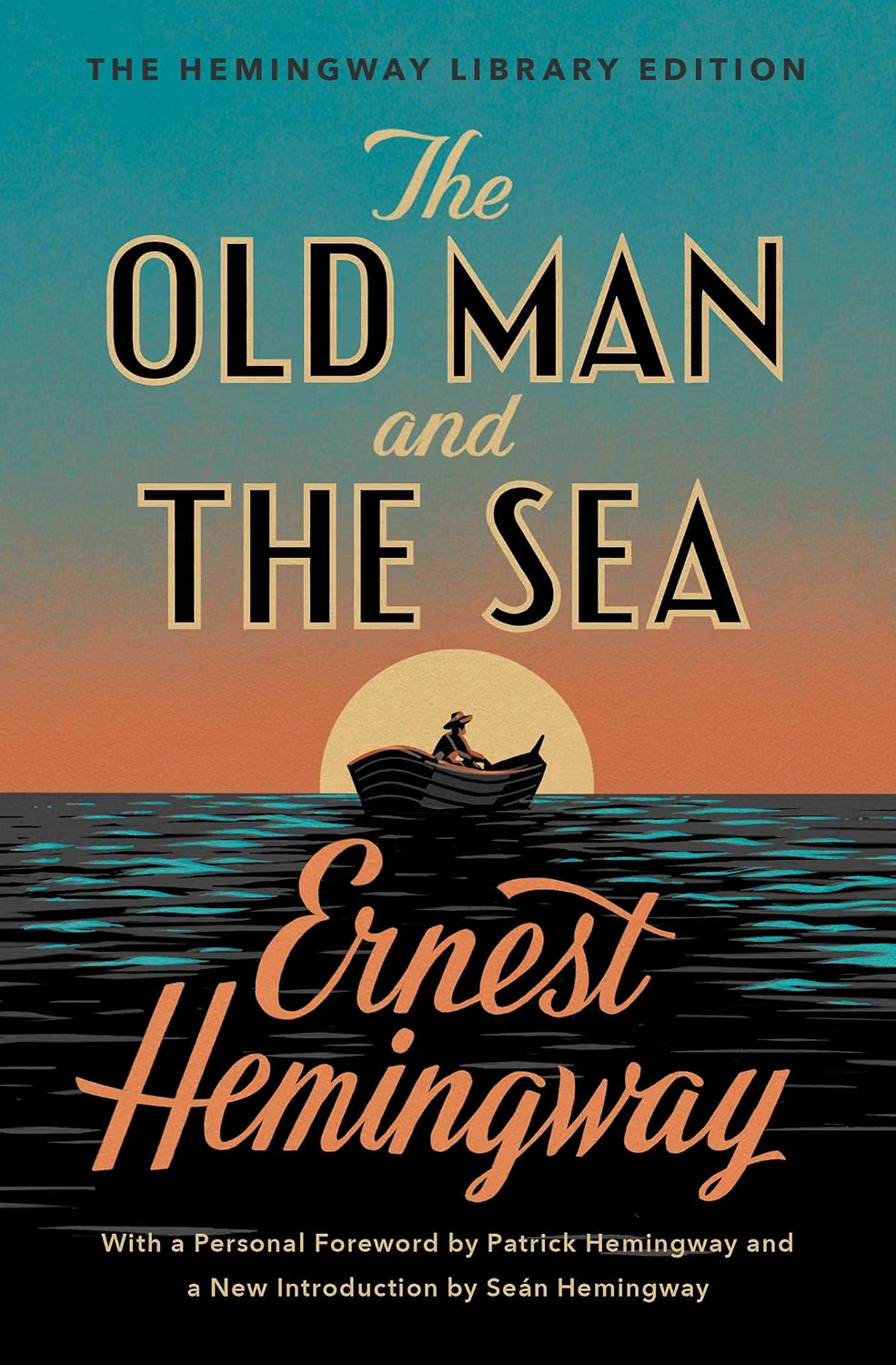
The Old Man and the Sea earns its place here because it is strong for endurance, pride, and struggle. Its spare style makes it a manageable introduction to literary fiction.
Who it's for
Beginners curious about classics.
Why you'll like it
You will like it if you want a book with a clear point of view rather than a title that is famous for vague reasons. It gives you enough story, evidence, or practical framing to remember the idea after you close the book.
Key lessons
- Dignity can exist in struggle.
- Persistence has cost.
- Simple plots can carry depth.
Pros
- Short and focused.
- Strong style lesson.
Cons
- Quiet pace.
- Minimal plot.
My recommendation
Read it for the experience of style. If you are choosing between several books on this page, read a sample first and notice which voice makes you want to keep going. The best recommendation is the one you will actually finish and use.
10. Who Moved My Cheese? by Spencer Johnson
Who Moved My Cheese? earns its place here because it is strong for change and adaptation. It is extremely short and easy to apply to work or life transitions.
Who it's for
Readers who want a quick, simple business parable.
Why you'll like it
You will like it if you want a book with a clear point of view rather than a title that is famous for vague reasons. It gives you enough story, evidence, or practical framing to remember the idea after you close the book.
Key lessons
- Change is inevitable.
- Adapt early.
- Fear delays movement.
Pros
- Fast and clear.
- Good confidence-builder.
Cons
- Very simple.
- Not deep.
My recommendation
Use it as a quick first win if finishing books feels hard. If you are choosing between several books on this page, read a sample first and notice which voice makes you want to keep going. The best recommendation is the one you will actually finish and use.
Which Book Should You Read Next?
Start with The Alchemist if you want something simple and reflective. Choose Atomic Habits if you want practical change, or The Hobbit if you want a friendly doorway into fiction. If two books are competing for your attention, choose the one that matches your current problem, not the one with the biggest reputation. Reading at the right moment is often what makes a book feel transformative.