10 Best Books for Emotional Intelligence
If you are looking for the best books for emotional intelligence, the real goal is probably bigger than finding another title for your shelf. You want a book that changes the way you handle ordinary days: the conversation you avoid, the task you delay, the thought that loops at night, the decision that keeps getting postponed.
This guide is written in that spirit. I have chosen books that are practical enough to use, thoughtful enough to reread, and broad enough to help different kinds of readers. Some are research-based. Some are story-driven. Some are direct and tactical. Together, they give you a rounded path for emotional intelligence without turning personal growth into a pile of generic advice.
Quick Picks
- Best overall: Emotional Intelligence
- Best practical follow-up: Emotional Agility
- Best for deeper mindset work: Permission to Feel
- Best if you want one small action today: Daring Greatly
Comparison Table
| Book | Best For | Style | Start Here If... |
|---|---|---|---|
| Emotional Intelligence | It helps readers understand self-awareness, empathy, impulse control, and social skill. | Practical | Start here if you want the broad map of emotional intelligence. |
| Emotional Agility | It avoids toxic positivity and teaches a more flexible relationship with inner experience. | Reflective | Read this if you feel stuck between suppressing emotions and drowning in them. |
| Permission to Feel | It gives readers a vocabulary for feelings instead of leaving everything as stress or anger. | Research-backed | Best for readers who want emotional awareness they can use daily. |
| Nonviolent Communication | It helps you say difficult things without turning them into attacks. | Story-driven | Use this slowly; one chapter applied well can improve several relationships. |
| Daring Greatly | It adds a useful angle that the other books do not fully cover. | Motivational | Use this as a supporting read after you finish the top two recommendations. |
| The Gifts of Imperfection | It adds a useful angle that the other books do not fully cover. | Practical | Use this as a supporting read after you finish the top two recommendations. |
| Thinking, Fast and Slow | It adds a useful angle that the other books do not fully cover. | Reflective | Use this as a supporting read after you finish the top two recommendations. |
| Mindsight | It adds a useful angle that the other books do not fully cover. | Research-backed | Use this as a supporting read after you finish the top two recommendations. |
| Crucial Conversations | It teaches you to make conversations safer before trying to win the point. | Story-driven | Read this if hard conversations are where your communication falls apart. |
| Feeling Good | It adds a useful angle that the other books do not fully cover. | Motivational | Use this as a supporting read after you finish the top two recommendations. |
How I Chose These Books
I looked for books that match how people actually change: slowly, unevenly, and through repeated practice. A good recommendation for emotional intelligence should do more than sound impressive. It should help you understand yourself, make one better choice today, and return to the page when the first burst of motivation fades.
I also considered usefulness for different readers. Readers who want to understand emotions without being controlled by them do not all need the same kind of book. That is why this list includes classic self-help, psychology, habit design, communication, focus, emotional awareness, and values-based action where relevant.
1. Emotional Intelligence by Daniel Goleman
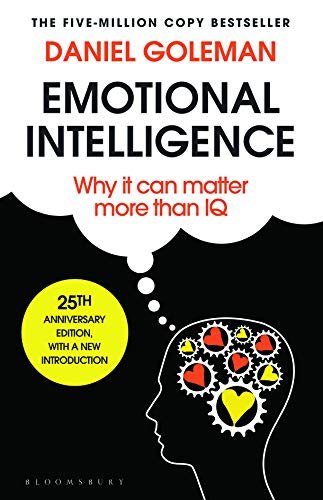
The modern classic that popularized emotional intelligence as a serious life and work skill. For a reader searching for the best books for emotional intelligence, this one earns its place because it does not treat personal growth as decoration. It gives you a lens you can actually use when life becomes busy, emotional, or inconvenient.
Who it's for
This is for readers who want a book they can connect to real life instead of treating as a motivational poster. It helps readers understand self-awareness, empathy, impulse control, and social skill. It is also a good fit if you have tried quick tips before and now want language, structure, and a few ideas worth returning to.
Why you'll like it
You will like it because the advice feels usable without becoming shallow. The best parts are not just inspirational; they help you notice the exact moment where your normal pattern begins, which is where real change has to happen.
Key lessons
- Naming emotions matters; empathy can be trained; unmanaged emotion damages judgment.
- Small choices become easier when your environment supports the person you are trying to become.
- Progress usually comes from practicing one useful idea repeatedly, not collecting ten new ideas every week.
Pros
- Foundational and wide-ranging.
- Strong enough to recommend as part of a serious personal development reading list.
Cons
- Some sections feel more explanatory than practical.
- You will get the most value if you pause and apply the exercises instead of reading straight through.
My recommendation
Start here if you want the broad map of emotional intelligence. I would not read it passively. Keep a note open, choose one idea, and test it for seven days. That simple follow-through is what separates a helpful book from a book that only feels helpful while you are reading it.
2. Emotional Agility by Susan David
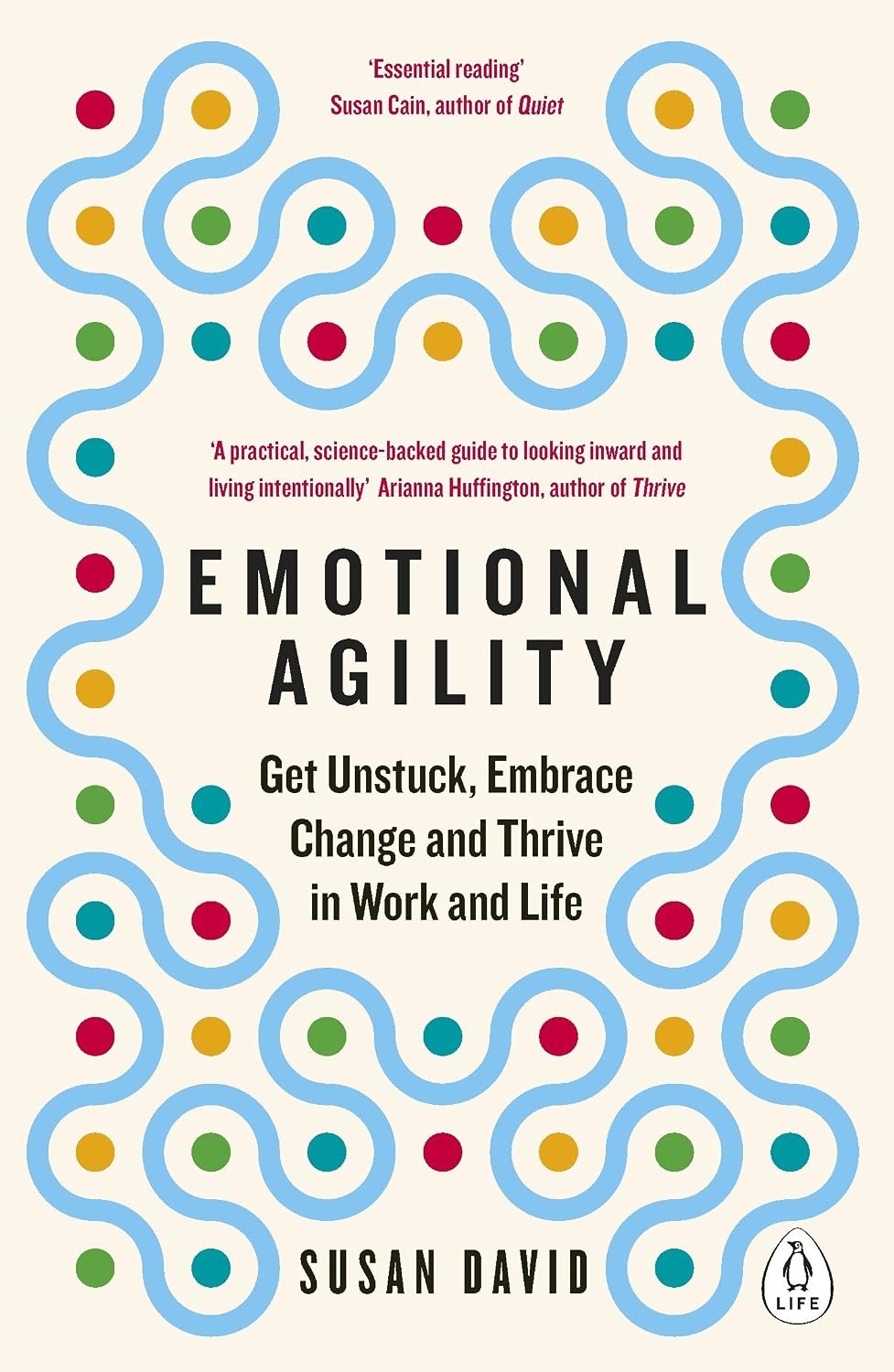
A wise book about handling difficult feelings without being ruled by them. For a reader searching for the best books for emotional intelligence, this one earns its place because it does not treat personal growth as decoration. It gives you a lens you can actually use when life becomes busy, emotional, or inconvenient.
Who it's for
This is for readers who want a book they can connect to real life instead of treating as a motivational poster. It avoids toxic positivity and teaches a more flexible relationship with inner experience. It is also a good fit if you have tried quick tips before and now want language, structure, and a few ideas worth returning to.
Why you'll like it
You will like it because the advice feels usable without becoming shallow. The best parts are not just inspirational; they help you notice the exact moment where your normal pattern begins, which is where real change has to happen.
Key lessons
- Show up to feelings; step out from thoughts; act from values.
- Small choices become easier when your environment supports the person you are trying to become.
- Progress usually comes from practicing one useful idea repeatedly, not collecting ten new ideas every week.
Pros
- Mature, grounded, and useful.
- Strong enough to recommend as part of a serious personal development reading list.
Cons
- It asks for reflection, not quick hacks.
- You will get the most value if you pause and apply the exercises instead of reading straight through.
My recommendation
Read this if you feel stuck between suppressing emotions and drowning in them. I would not read it passively. Keep a note open, choose one idea, and test it for seven days. That simple follow-through is what separates a helpful book from a book that only feels helpful while you are reading it.
3. Permission to Feel by Marc Brackett
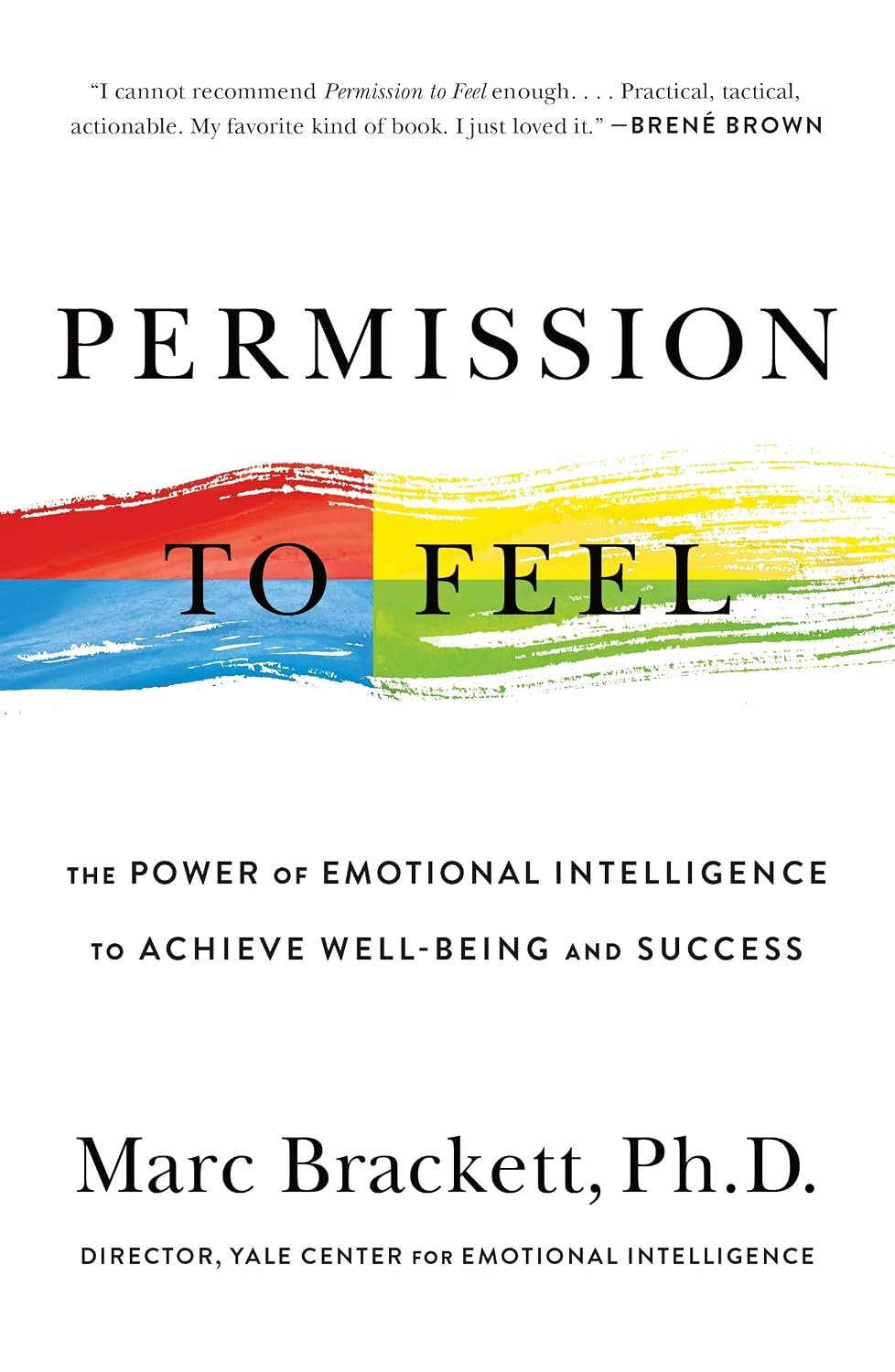
A practical emotional literacy book built around recognizing, understanding, labeling, expressing, and regulating emotions. For a reader searching for the best books for emotional intelligence, this one earns its place because it does not treat personal growth as decoration. It gives you a lens you can actually use when life becomes busy, emotional, or inconvenient.
Who it's for
This is for readers who want a book they can connect to real life instead of treating as a motivational poster. It gives readers a vocabulary for feelings instead of leaving everything as stress or anger. It is also a good fit if you have tried quick tips before and now want language, structure, and a few ideas worth returning to.
Why you'll like it
You will like it because the advice feels usable without becoming shallow. The best parts are not just inspirational; they help you notice the exact moment where your normal pattern begins, which is where real change has to happen.
Key lessons
- Emotions carry information; labeling changes intensity; regulation begins with awareness.
- Small choices become easier when your environment supports the person you are trying to become.
- Progress usually comes from practicing one useful idea repeatedly, not collecting ten new ideas every week.
Pros
- Clear, compassionate, and teachable.
- Strong enough to recommend as part of a serious personal development reading list.
Cons
- Some school-focused examples may not fit every reader.
- You will get the most value if you pause and apply the exercises instead of reading straight through.
My recommendation
Best for readers who want emotional awareness they can use daily. I would not read it passively. Keep a note open, choose one idea, and test it for seven days. That simple follow-through is what separates a helpful book from a book that only feels helpful while you are reading it.
4. Nonviolent Communication by Marshall B. Rosenberg
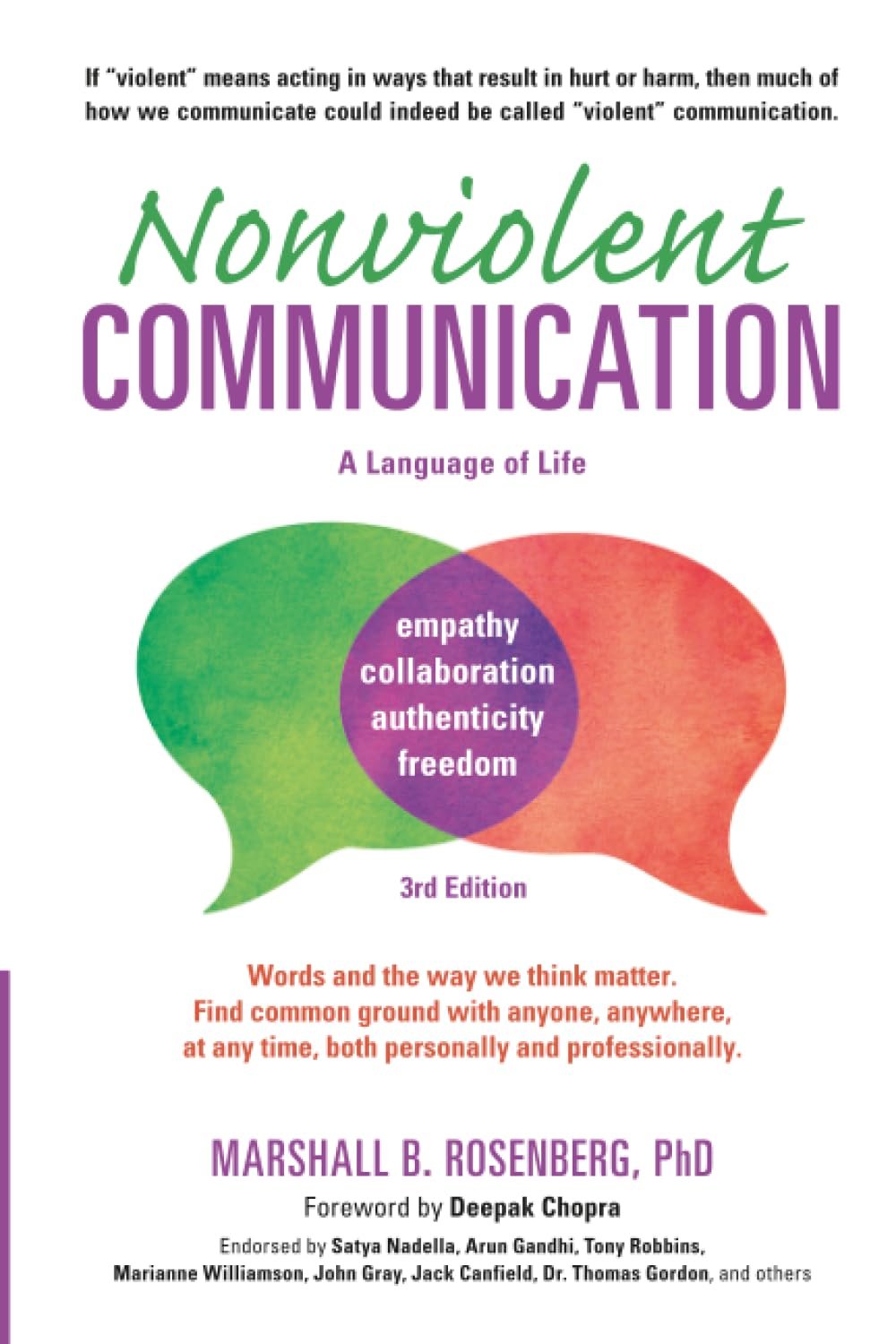
A powerful book about needs, feelings, requests, and compassionate honesty. For a reader searching for the best books for emotional intelligence, this one earns its place because it does not treat personal growth as decoration. It gives you a lens you can actually use when life becomes busy, emotional, or inconvenient.
Who it's for
This is for readers who want a book they can connect to real life instead of treating as a motivational poster. It helps you say difficult things without turning them into attacks. It is also a good fit if you have tried quick tips before and now want language, structure, and a few ideas worth returning to.
Why you'll like it
You will like it because the advice feels usable without becoming shallow. The best parts are not just inspirational; they help you notice the exact moment where your normal pattern begins, which is where real change has to happen.
Key lessons
- Observations differ from judgments; needs sit beneath conflict; clear requests beat vague complaints.
- Small choices become easier when your environment supports the person you are trying to become.
- Progress usually comes from practicing one useful idea repeatedly, not collecting ten new ideas every week.
Pros
- Deep, humane, and relationship-changing.
- Strong enough to recommend as part of a serious personal development reading list.
Cons
- The wording can feel unnatural until you adapt it.
- You will get the most value if you pause and apply the exercises instead of reading straight through.
My recommendation
Use this slowly; one chapter applied well can improve several relationships. I would not read it passively. Keep a note open, choose one idea, and test it for seven days. That simple follow-through is what separates a helpful book from a book that only feels helpful while you are reading it.
5. Daring Greatly by Brené Brown
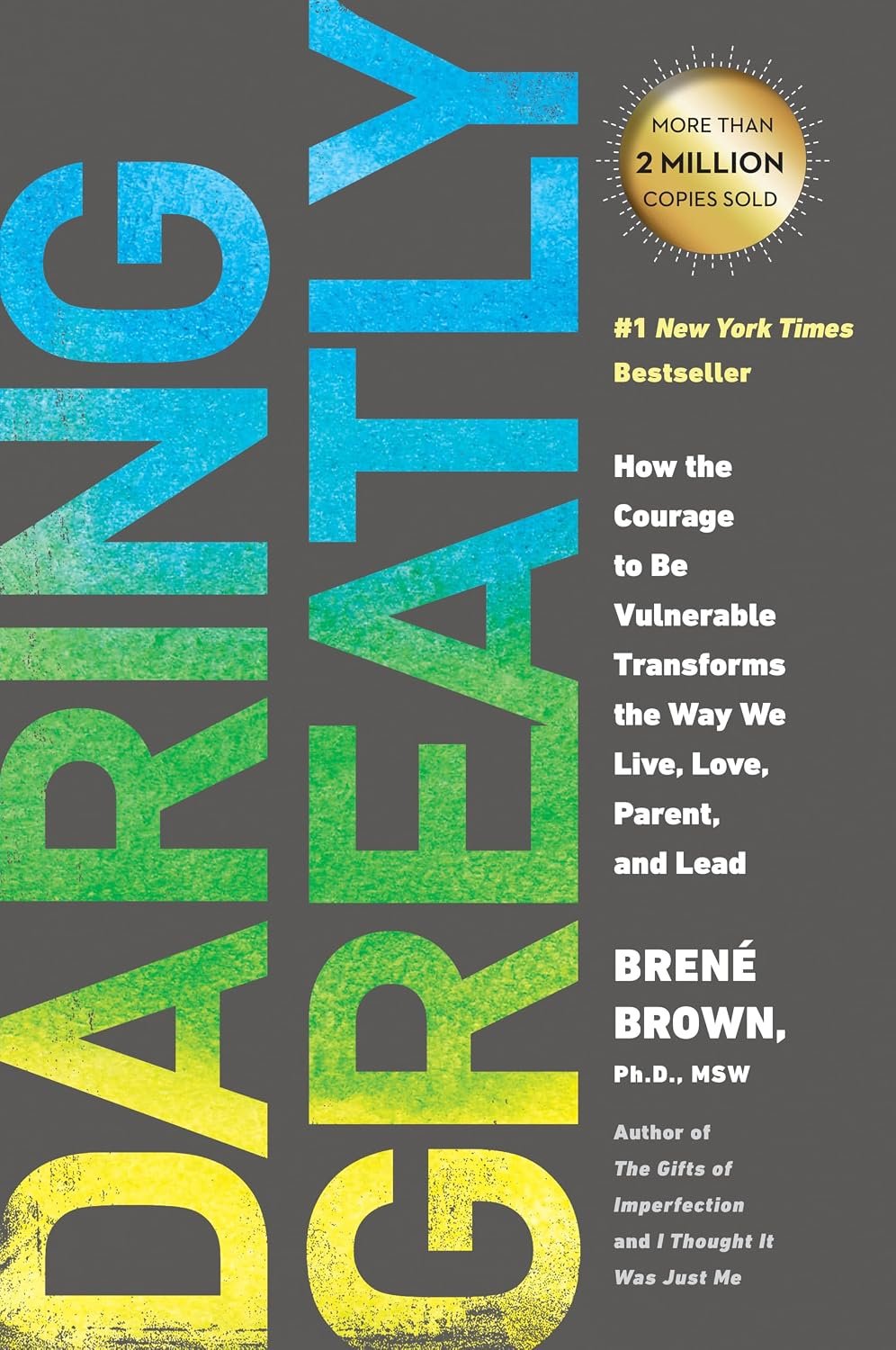
A strong recommendation for readers working on daring greatly themes. For a reader searching for the best books for emotional intelligence, this one earns its place because it does not treat personal growth as decoration. It gives you a lens you can actually use when life becomes busy, emotional, or inconvenient.
Who it's for
This is for readers who want a book they can connect to real life instead of treating as a motivational poster. It adds a useful angle that the other books do not fully cover. It is also a good fit if you have tried quick tips before and now want language, structure, and a few ideas worth returning to.
Why you'll like it
You will like it because the advice feels usable without becoming shallow. The best parts are not just inspirational; they help you notice the exact moment where your normal pattern begins, which is where real change has to happen.
Key lessons
- Awareness, practice, reflection, and small behavioral changes create meaningful progress.
- Small choices become easier when your environment supports the person you are trying to become.
- Progress usually comes from practicing one useful idea repeatedly, not collecting ten new ideas every week.
Pros
- Useful and relevant to the topic.
- Strong enough to recommend as part of a serious personal development reading list.
Cons
- Local image or affiliate link may need to be added manually.
- You will get the most value if you pause and apply the exercises instead of reading straight through.
My recommendation
Use this as a supporting read after you finish the top two recommendations. I would not read it passively. Keep a note open, choose one idea, and test it for seven days. That simple follow-through is what separates a helpful book from a book that only feels helpful while you are reading it.
6. The Gifts of Imperfection by Brené Brown
A strong recommendation for readers working on the gifts of imperfection themes. For a reader searching for the best books for emotional intelligence, this one earns its place because it does not treat personal growth as decoration. It gives you a lens you can actually use when life becomes busy, emotional, or inconvenient.
Who it's for
This is for readers who want a book they can connect to real life instead of treating as a motivational poster. It adds a useful angle that the other books do not fully cover. It is also a good fit if you have tried quick tips before and now want language, structure, and a few ideas worth returning to.
Why you'll like it
You will like it because the advice feels usable without becoming shallow. The best parts are not just inspirational; they help you notice the exact moment where your normal pattern begins, which is where real change has to happen.
Key lessons
- Awareness, practice, reflection, and small behavioral changes create meaningful progress.
- Small choices become easier when your environment supports the person you are trying to become.
- Progress usually comes from practicing one useful idea repeatedly, not collecting ten new ideas every week.
Pros
- Useful and relevant to the topic.
- Strong enough to recommend as part of a serious personal development reading list.
Cons
- Local image or affiliate link may need to be added manually.
- You will get the most value if you pause and apply the exercises instead of reading straight through.
My recommendation
Use this as a supporting read after you finish the top two recommendations. I would not read it passively. Keep a note open, choose one idea, and test it for seven days. That simple follow-through is what separates a helpful book from a book that only feels helpful while you are reading it.
7. Thinking, Fast and Slow by Daniel Kahneman
A strong recommendation for readers working on thinking, fast and slow themes. For a reader searching for the best books for emotional intelligence, this one earns its place because it does not treat personal growth as decoration. It gives you a lens you can actually use when life becomes busy, emotional, or inconvenient.
Who it's for
This is for readers who want a book they can connect to real life instead of treating as a motivational poster. It adds a useful angle that the other books do not fully cover. It is also a good fit if you have tried quick tips before and now want language, structure, and a few ideas worth returning to.
Why you'll like it
You will like it because the advice feels usable without becoming shallow. The best parts are not just inspirational; they help you notice the exact moment where your normal pattern begins, which is where real change has to happen.
Key lessons
- Awareness, practice, reflection, and small behavioral changes create meaningful progress.
- Small choices become easier when your environment supports the person you are trying to become.
- Progress usually comes from practicing one useful idea repeatedly, not collecting ten new ideas every week.
Pros
- Useful and relevant to the topic.
- Strong enough to recommend as part of a serious personal development reading list.
Cons
- Local image or affiliate link may need to be added manually.
- You will get the most value if you pause and apply the exercises instead of reading straight through.
My recommendation
Use this as a supporting read after you finish the top two recommendations. I would not read it passively. Keep a note open, choose one idea, and test it for seven days. That simple follow-through is what separates a helpful book from a book that only feels helpful while you are reading it.
8. Mindsight by Daniel Siegel
A strong recommendation for readers working on mindsight themes. For a reader searching for the best books for emotional intelligence, this one earns its place because it does not treat personal growth as decoration. It gives you a lens you can actually use when life becomes busy, emotional, or inconvenient.
Who it's for
This is for readers who want a book they can connect to real life instead of treating as a motivational poster. It adds a useful angle that the other books do not fully cover. It is also a good fit if you have tried quick tips before and now want language, structure, and a few ideas worth returning to.
Why you'll like it
You will like it because the advice feels usable without becoming shallow. The best parts are not just inspirational; they help you notice the exact moment where your normal pattern begins, which is where real change has to happen.
Key lessons
- Awareness, practice, reflection, and small behavioral changes create meaningful progress.
- Small choices become easier when your environment supports the person you are trying to become.
- Progress usually comes from practicing one useful idea repeatedly, not collecting ten new ideas every week.
Pros
- Useful and relevant to the topic.
- Strong enough to recommend as part of a serious personal development reading list.
Cons
- Local image or affiliate link may need to be added manually.
- You will get the most value if you pause and apply the exercises instead of reading straight through.
My recommendation
Use this as a supporting read after you finish the top two recommendations. I would not read it passively. Keep a note open, choose one idea, and test it for seven days. That simple follow-through is what separates a helpful book from a book that only feels helpful while you are reading it.
9. Crucial Conversations by Kerry Patterson, Joseph Grenny, Ron McMillan, and Al Switzler
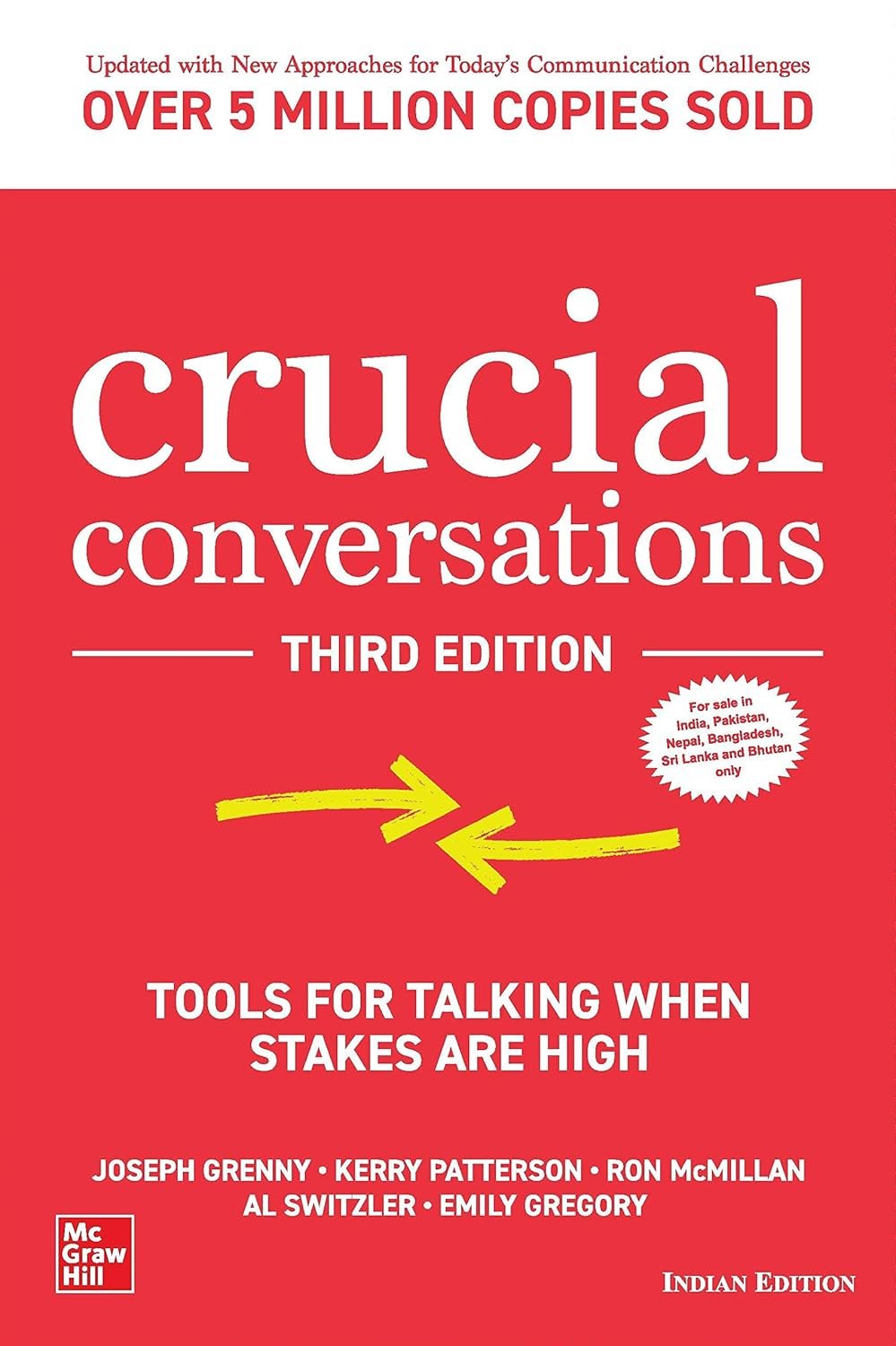
A classic framework for staying calm and clear when stakes, opinions, and emotions are high. For a reader searching for the best books for emotional intelligence, this one earns its place because it does not treat personal growth as decoration. It gives you a lens you can actually use when life becomes busy, emotional, or inconvenient.
Who it's for
This is for readers who want a book they can connect to real life instead of treating as a motivational poster. It teaches you to make conversations safer before trying to win the point. It is also a good fit if you have tried quick tips before and now want language, structure, and a few ideas worth returning to.
Why you'll like it
You will like it because the advice feels usable without becoming shallow. The best parts are not just inspirational; they help you notice the exact moment where your normal pattern begins, which is where real change has to happen.
Key lessons
- Safety comes first; shared purpose reduces defensiveness; silence and violence both damage trust.
- Small choices become easier when your environment supports the person you are trying to become.
- Progress usually comes from practicing one useful idea repeatedly, not collecting ten new ideas every week.
Pros
- Extremely useful for families and workplaces.
- Strong enough to recommend as part of a serious personal development reading list.
Cons
- The framework takes practice.
- You will get the most value if you pause and apply the exercises instead of reading straight through.
My recommendation
Read this if hard conversations are where your communication falls apart. I would not read it passively. Keep a note open, choose one idea, and test it for seven days. That simple follow-through is what separates a helpful book from a book that only feels helpful while you are reading it.
10. Feeling Good by David Burns
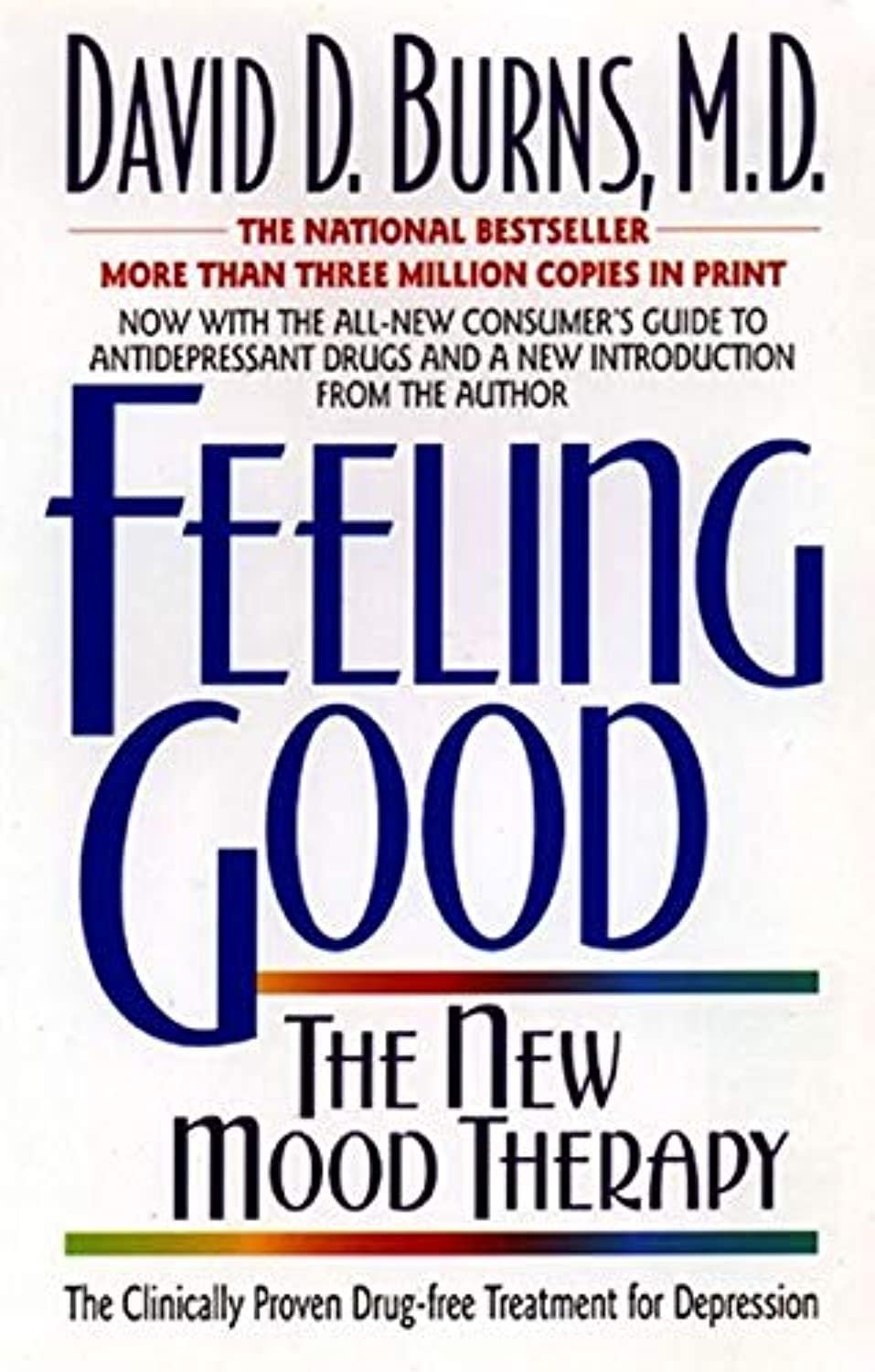
A strong recommendation for readers working on feeling good themes. For a reader searching for the best books for emotional intelligence, this one earns its place because it does not treat personal growth as decoration. It gives you a lens you can actually use when life becomes busy, emotional, or inconvenient.
Who it's for
This is for readers who want a book they can connect to real life instead of treating as a motivational poster. It adds a useful angle that the other books do not fully cover. It is also a good fit if you have tried quick tips before and now want language, structure, and a few ideas worth returning to.
Why you'll like it
You will like it because the advice feels usable without becoming shallow. The best parts are not just inspirational; they help you notice the exact moment where your normal pattern begins, which is where real change has to happen.
Key lessons
- Awareness, practice, reflection, and small behavioral changes create meaningful progress.
- Small choices become easier when your environment supports the person you are trying to become.
- Progress usually comes from practicing one useful idea repeatedly, not collecting ten new ideas every week.
Pros
- Useful and relevant to the topic.
- Strong enough to recommend as part of a serious personal development reading list.
Cons
- Local image or affiliate link may need to be added manually.
- You will get the most value if you pause and apply the exercises instead of reading straight through.
My recommendation
Use this as a supporting read after you finish the top two recommendations. I would not read it passively. Keep a note open, choose one idea, and test it for seven days. That simple follow-through is what separates a helpful book from a book that only feels helpful while you are reading it.
Emotional Intelligence vs Emotional Agility
Emotional Intelligence gives the broad foundation; Emotional Agility is more personal and practical for difficult inner experiences. If you want the most efficient choice, ask what is blocking you right now. Choose the first when you need action and structure. Choose the second when you need insight, language, or a deeper emotional reset.
Permission to Feel vs Nonviolent Communication
Permission to Feel builds emotional vocabulary; Nonviolent Communication turns that awareness into better conversations. Both are worthwhile, but they serve different moods. One gives you a map; the other changes the energy with which you approach the map. That difference matters because the best book is not always the most famous one. It is the one you will actually use this month.
Which Book Should You Read Next?
For most readers, I would start with Emotional Intelligence. It gives the list a strong center. If you want something more practical, go to Emotional Agility. If you want a deeper mindset shift, choose Permission to Feel. The important thing is not to race through all ten books. Read one, underline the idea that hits closest to home, and build a small experiment around it.
That is the BookReadersHub standard I care about most: a recommendation should help you choose, not just browse. A good book does not transform your life by sitting in a cart. It transforms your life when it changes one repeatable behavior.