10 Best Books for Introverts
If you are looking for the best books for introverts, the real goal is probably bigger than finding another title for your shelf. You want a book that changes the way you handle ordinary days: the conversation you avoid, the task you delay, the thought that loops at night, the decision that keeps getting postponed.
This guide is written in that spirit. I have chosen books that are practical enough to use, thoughtful enough to reread, and broad enough to help different kinds of readers. Some are research-based. Some are story-driven. Some are direct and tactical. Together, they give you a rounded path for introverts without turning personal growth into a pile of generic advice.
Quick Picks
- Best overall: Quiet
- Best practical follow-up: The Introvert Advantage
- Best for deeper mindset work: Sorry I'm Late, I Didn't Want to Come
- Best if you want one small action today: How to Win Friends and Influence People
Comparison Table
| Book | Best For | Style | Start Here If... |
|---|---|---|---|
| Quiet | It helps quieter readers stop treating their temperament as a defect. | Practical | My first recommendation for introverts who want self-acceptance before self-improvement. |
| The Introvert Advantage | It explains why solitude, slower processing, and selective socializing can be strengths. | Reflective | Best for readers who are tired of forcing an extrovert routine. |
| Sorry I'm Late, I Didn't Want to Come | It gives introverts permission to try brave things with a wink instead of a lecture. | Research-backed | Pick this when you want a lighter, story-driven push. |
| The Charisma Myth | It breaks charisma into behaviors you can practice instead of treating it as magic. | Story-driven | Best for readers who want communication skills that work in professional settings. |
| How to Win Friends and Influence People | It adds a useful angle that the other books do not fully cover. | Motivational | Use this as a supporting read after you finish the top two recommendations. |
| Deep Work | It adds a useful angle that the other books do not fully cover. | Practical | Use this as a supporting read after you finish the top two recommendations. |
| Essentialism | It adds a useful angle that the other books do not fully cover. | Reflective | Use this as a supporting read after you finish the top two recommendations. |
| Daring Greatly | It adds a useful angle that the other books do not fully cover. | Research-backed | Use this as a supporting read after you finish the top two recommendations. |
| The Highly Sensitive Person | It adds a useful angle that the other books do not fully cover. | Story-driven | Use this as a supporting read after you finish the top two recommendations. |
| Digital Minimalism | It adds a useful angle that the other books do not fully cover. | Motivational | Use this as a supporting read after you finish the top two recommendations. |
How I Chose These Books
I looked for books that match how people actually change: slowly, unevenly, and through repeated practice. A good recommendation for introverts should do more than sound impressive. It should help you understand yourself, make one better choice today, and return to the page when the first burst of motivation fades.
I also considered usefulness for different readers. Introverts who want to protect their energy and still participate fully in work, relationships, and creative life do not all need the same kind of book. That is why this list includes classic self-help, psychology, habit design, communication, focus, emotional awareness, and values-based action where relevant.
1. Quiet by Susan Cain
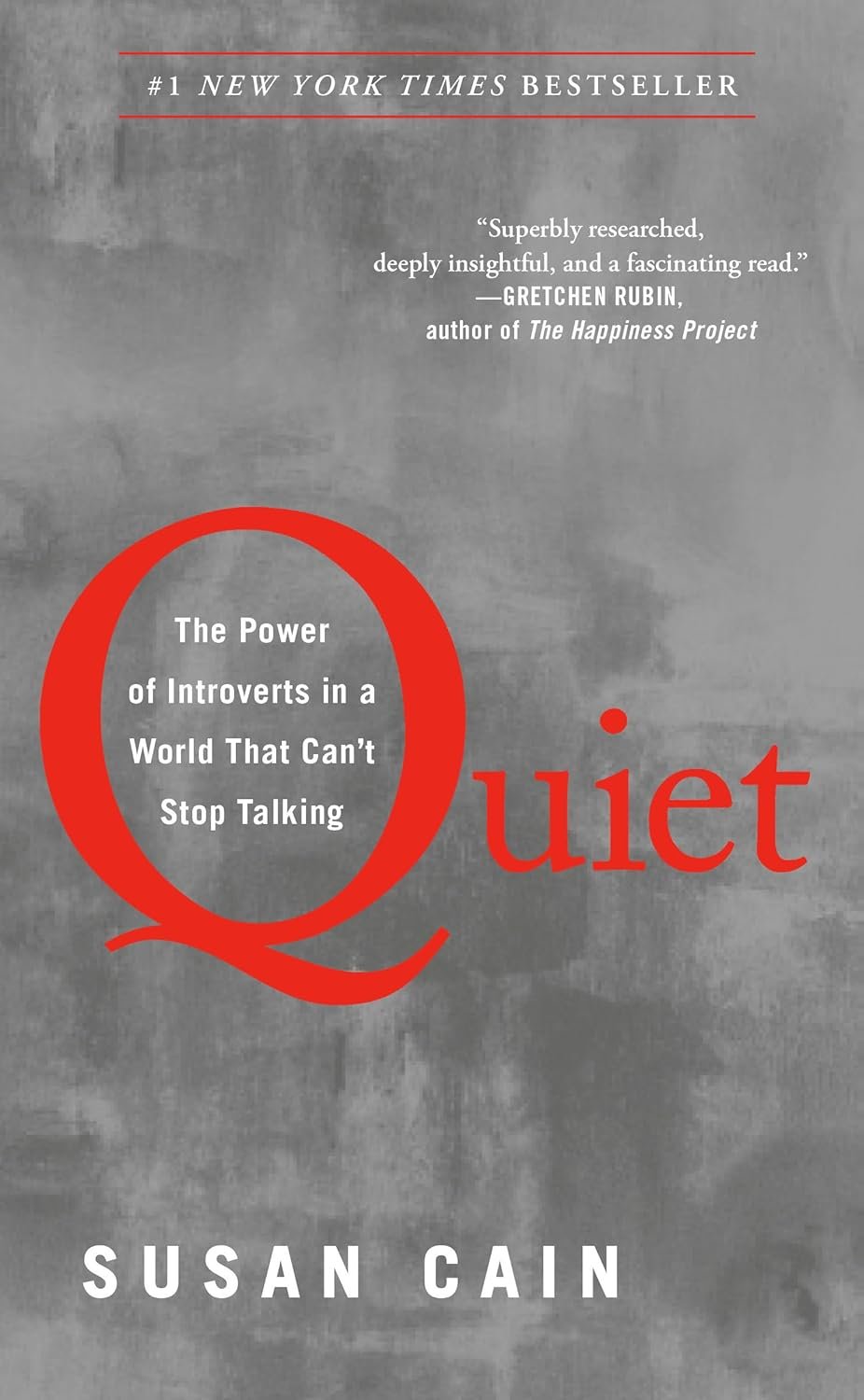
A thoughtful defense of introverted strengths in a culture that often rewards constant visibility. For a reader searching for the best books for introverts, this one earns its place because it does not treat personal growth as decoration. It gives you a lens you can actually use when life becomes busy, emotional, or inconvenient.
Who it's for
This is for readers who want a book they can connect to real life instead of treating as a motivational poster. It helps quieter readers stop treating their temperament as a defect. It is also a good fit if you have tried quick tips before and now want language, structure, and a few ideas worth returning to.
Why you'll like it
You will like it because the advice feels usable without becoming shallow. The best parts are not just inspirational; they help you notice the exact moment where your normal pattern begins, which is where real change has to happen.
Key lessons
- Depth is valuable; stimulation tolerance differs; influence does not require loudness.
- Small choices become easier when your environment supports the person you are trying to become.
- Progress usually comes from practicing one useful idea repeatedly, not collecting ten new ideas every week.
Pros
- Validating, well researched, and humane.
- Strong enough to recommend as part of a serious personal development reading list.
Cons
- Less tactical than some social-skills books.
- You will get the most value if you pause and apply the exercises instead of reading straight through.
My recommendation
My first recommendation for introverts who want self-acceptance before self-improvement. I would not read it passively. Keep a note open, choose one idea, and test it for seven days. That simple follow-through is what separates a helpful book from a book that only feels helpful while you are reading it.
2. The Introvert Advantage by Marti Olsen Laney
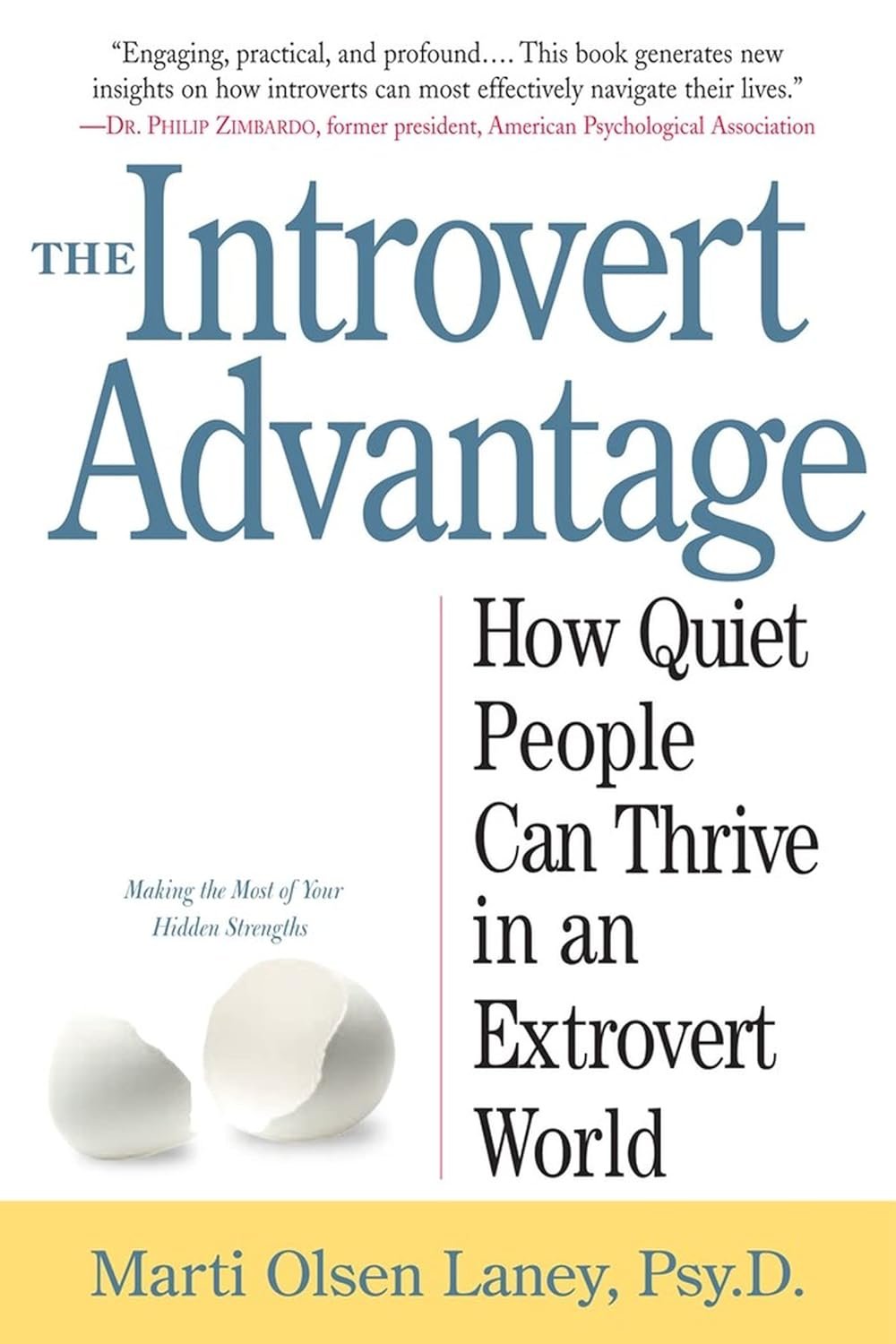
A warm guide to understanding introvert energy, communication, and recovery needs. For a reader searching for the best books for introverts, this one earns its place because it does not treat personal growth as decoration. It gives you a lens you can actually use when life becomes busy, emotional, or inconvenient.
Who it's for
This is for readers who want a book they can connect to real life instead of treating as a motivational poster. It explains why solitude, slower processing, and selective socializing can be strengths. It is also a good fit if you have tried quick tips before and now want language, structure, and a few ideas worth returning to.
Why you'll like it
You will like it because the advice feels usable without becoming shallow. The best parts are not just inspirational; they help you notice the exact moment where your normal pattern begins, which is where real change has to happen.
Key lessons
- Energy management matters; introversion is biological for many people; boundaries protect contribution.
- Small choices become easier when your environment supports the person you are trying to become.
- Progress usually comes from practicing one useful idea repeatedly, not collecting ten new ideas every week.
Pros
- Kind tone and practical lifestyle advice.
- Strong enough to recommend as part of a serious personal development reading list.
Cons
- Some sections may feel dated.
- You will get the most value if you pause and apply the exercises instead of reading straight through.
My recommendation
Best for readers who are tired of forcing an extrovert routine. I would not read it passively. Keep a note open, choose one idea, and test it for seven days. That simple follow-through is what separates a helpful book from a book that only feels helpful while you are reading it.
3. Sorry I'm Late, I Didn't Want to Come by Jessica Pan
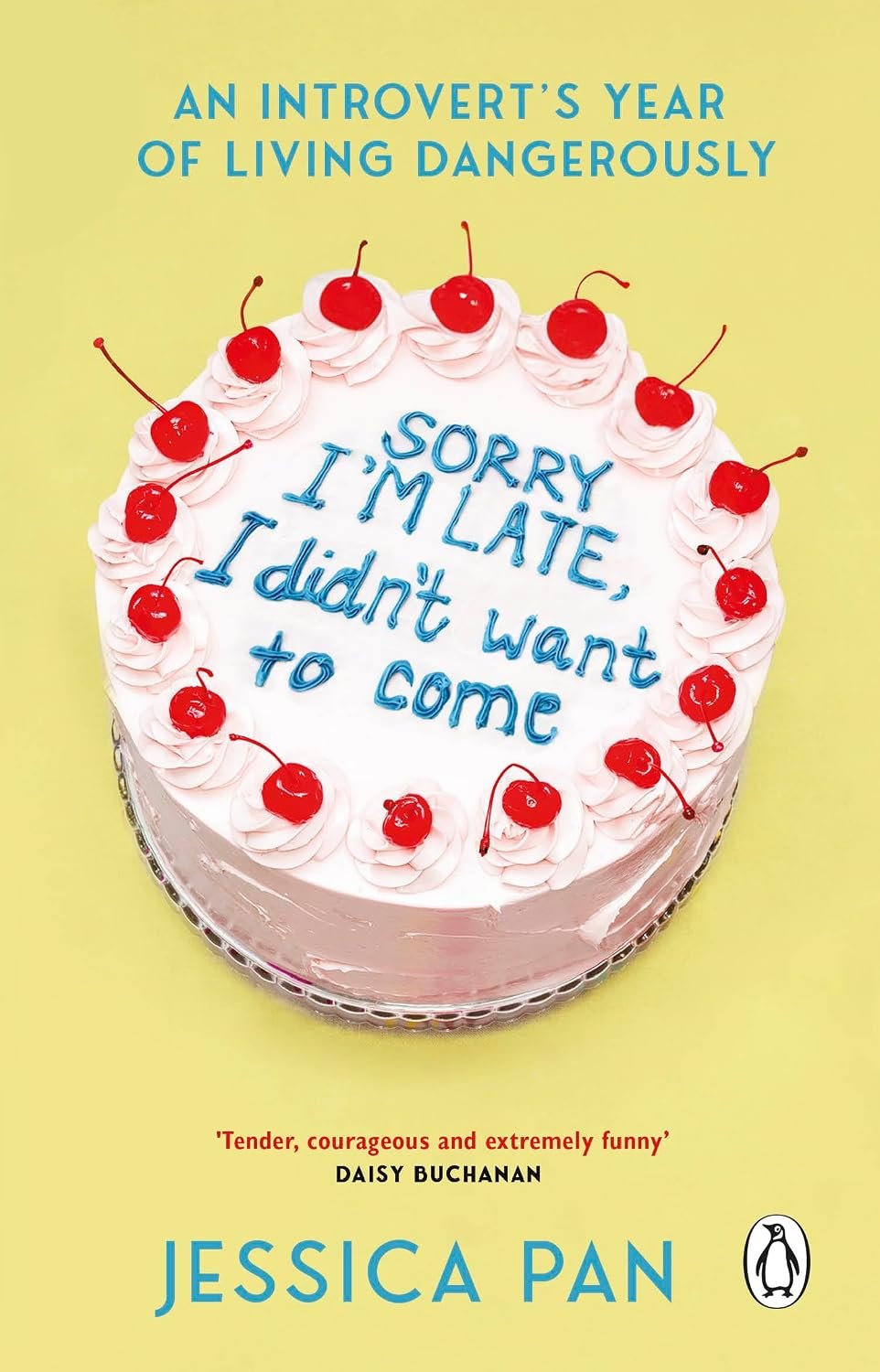
A funny, honest experiment in stretching social courage without pretending to become someone else. For a reader searching for the best books for introverts, this one earns its place because it does not treat personal growth as decoration. It gives you a lens you can actually use when life becomes busy, emotional, or inconvenient.
Who it's for
This is for readers who want a book they can connect to real life instead of treating as a motivational poster. It gives introverts permission to try brave things with a wink instead of a lecture. It is also a good fit if you have tried quick tips before and now want language, structure, and a few ideas worth returning to.
Why you'll like it
You will like it because the advice feels usable without becoming shallow. The best parts are not just inspirational; they help you notice the exact moment where your normal pattern begins, which is where real change has to happen.
Key lessons
- Growth can be playful; awkwardness is survivable; confidence comes from reps.
- Small choices become easier when your environment supports the person you are trying to become.
- Progress usually comes from practicing one useful idea repeatedly, not collecting ten new ideas every week.
Pros
- Entertaining and relatable.
- Strong enough to recommend as part of a serious personal development reading list.
Cons
- More memoir than step-by-step manual.
- You will get the most value if you pause and apply the exercises instead of reading straight through.
My recommendation
Pick this when you want a lighter, story-driven push. I would not read it passively. Keep a note open, choose one idea, and test it for seven days. That simple follow-through is what separates a helpful book from a book that only feels helpful while you are reading it.
4. The Charisma Myth by Olivia Fox Cabane
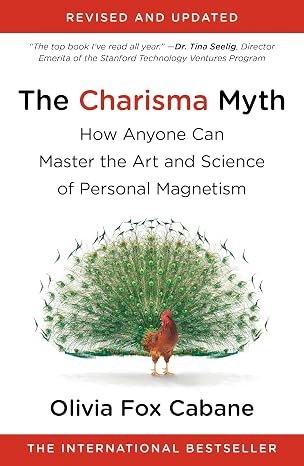
A tactical guide to warmth, presence, and authority in everyday interactions. For a reader searching for the best books for introverts, this one earns its place because it does not treat personal growth as decoration. It gives you a lens you can actually use when life becomes busy, emotional, or inconvenient.
Who it's for
This is for readers who want a book they can connect to real life instead of treating as a motivational poster. It breaks charisma into behaviors you can practice instead of treating it as magic. It is also a good fit if you have tried quick tips before and now want language, structure, and a few ideas worth returning to.
Why you'll like it
You will like it because the advice feels usable without becoming shallow. The best parts are not just inspirational; they help you notice the exact moment where your normal pattern begins, which is where real change has to happen.
Key lessons
- Presence matters most; warmth lowers resistance; power without warmth feels cold.
- Small choices become easier when your environment supports the person you are trying to become.
- Progress usually comes from practicing one useful idea repeatedly, not collecting ten new ideas every week.
Pros
- Actionable and useful for work.
- Strong enough to recommend as part of a serious personal development reading list.
Cons
- Can feel formulaic if you dislike performance language.
- You will get the most value if you pause and apply the exercises instead of reading straight through.
My recommendation
Best for readers who want communication skills that work in professional settings. I would not read it passively. Keep a note open, choose one idea, and test it for seven days. That simple follow-through is what separates a helpful book from a book that only feels helpful while you are reading it.
5. How to Win Friends and Influence People by Dale Carnegie
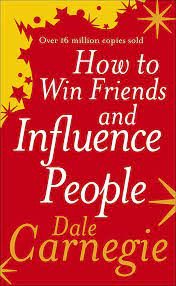
A strong recommendation for readers working on how to win friends and influence people themes. For a reader searching for the best books for introverts, this one earns its place because it does not treat personal growth as decoration. It gives you a lens you can actually use when life becomes busy, emotional, or inconvenient.
Who it's for
This is for readers who want a book they can connect to real life instead of treating as a motivational poster. It adds a useful angle that the other books do not fully cover. It is also a good fit if you have tried quick tips before and now want language, structure, and a few ideas worth returning to.
Why you'll like it
You will like it because the advice feels usable without becoming shallow. The best parts are not just inspirational; they help you notice the exact moment where your normal pattern begins, which is where real change has to happen.
Key lessons
- Awareness, practice, reflection, and small behavioral changes create meaningful progress.
- Small choices become easier when your environment supports the person you are trying to become.
- Progress usually comes from practicing one useful idea repeatedly, not collecting ten new ideas every week.
Pros
- Useful and relevant to the topic.
- Strong enough to recommend as part of a serious personal development reading list.
Cons
- Local image or affiliate link may need to be added manually.
- You will get the most value if you pause and apply the exercises instead of reading straight through.
My recommendation
Use this as a supporting read after you finish the top two recommendations. I would not read it passively. Keep a note open, choose one idea, and test it for seven days. That simple follow-through is what separates a helpful book from a book that only feels helpful while you are reading it.
6. Deep Work by Cal Newport
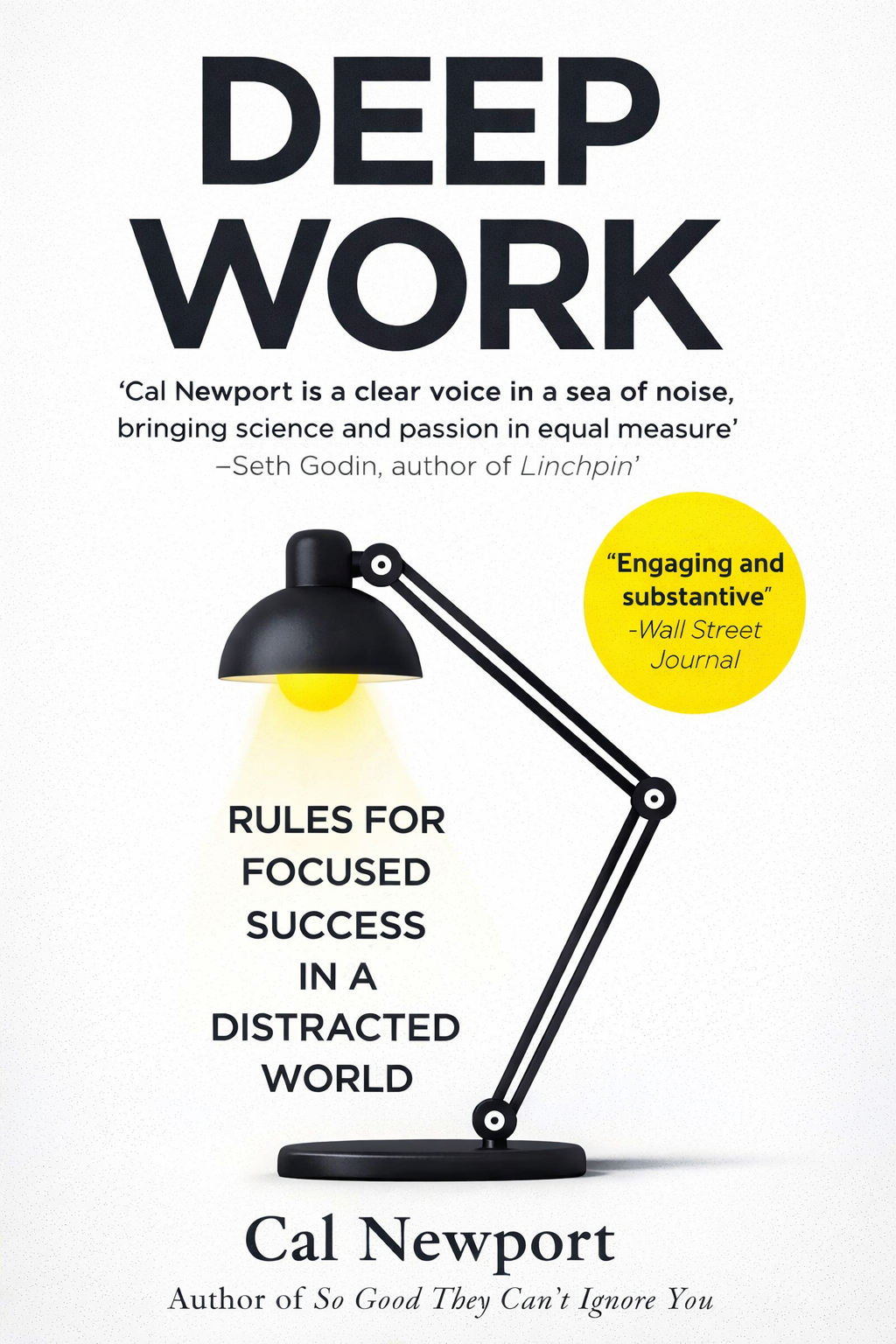
A strong recommendation for readers working on deep work themes. For a reader searching for the best books for introverts, this one earns its place because it does not treat personal growth as decoration. It gives you a lens you can actually use when life becomes busy, emotional, or inconvenient.
Who it's for
This is for readers who want a book they can connect to real life instead of treating as a motivational poster. It adds a useful angle that the other books do not fully cover. It is also a good fit if you have tried quick tips before and now want language, structure, and a few ideas worth returning to.
Why you'll like it
You will like it because the advice feels usable without becoming shallow. The best parts are not just inspirational; they help you notice the exact moment where your normal pattern begins, which is where real change has to happen.
Key lessons
- Awareness, practice, reflection, and small behavioral changes create meaningful progress.
- Small choices become easier when your environment supports the person you are trying to become.
- Progress usually comes from practicing one useful idea repeatedly, not collecting ten new ideas every week.
Pros
- Useful and relevant to the topic.
- Strong enough to recommend as part of a serious personal development reading list.
Cons
- Local image or affiliate link may need to be added manually.
- You will get the most value if you pause and apply the exercises instead of reading straight through.
My recommendation
Use this as a supporting read after you finish the top two recommendations. I would not read it passively. Keep a note open, choose one idea, and test it for seven days. That simple follow-through is what separates a helpful book from a book that only feels helpful while you are reading it.
7. Essentialism by Greg McKeown
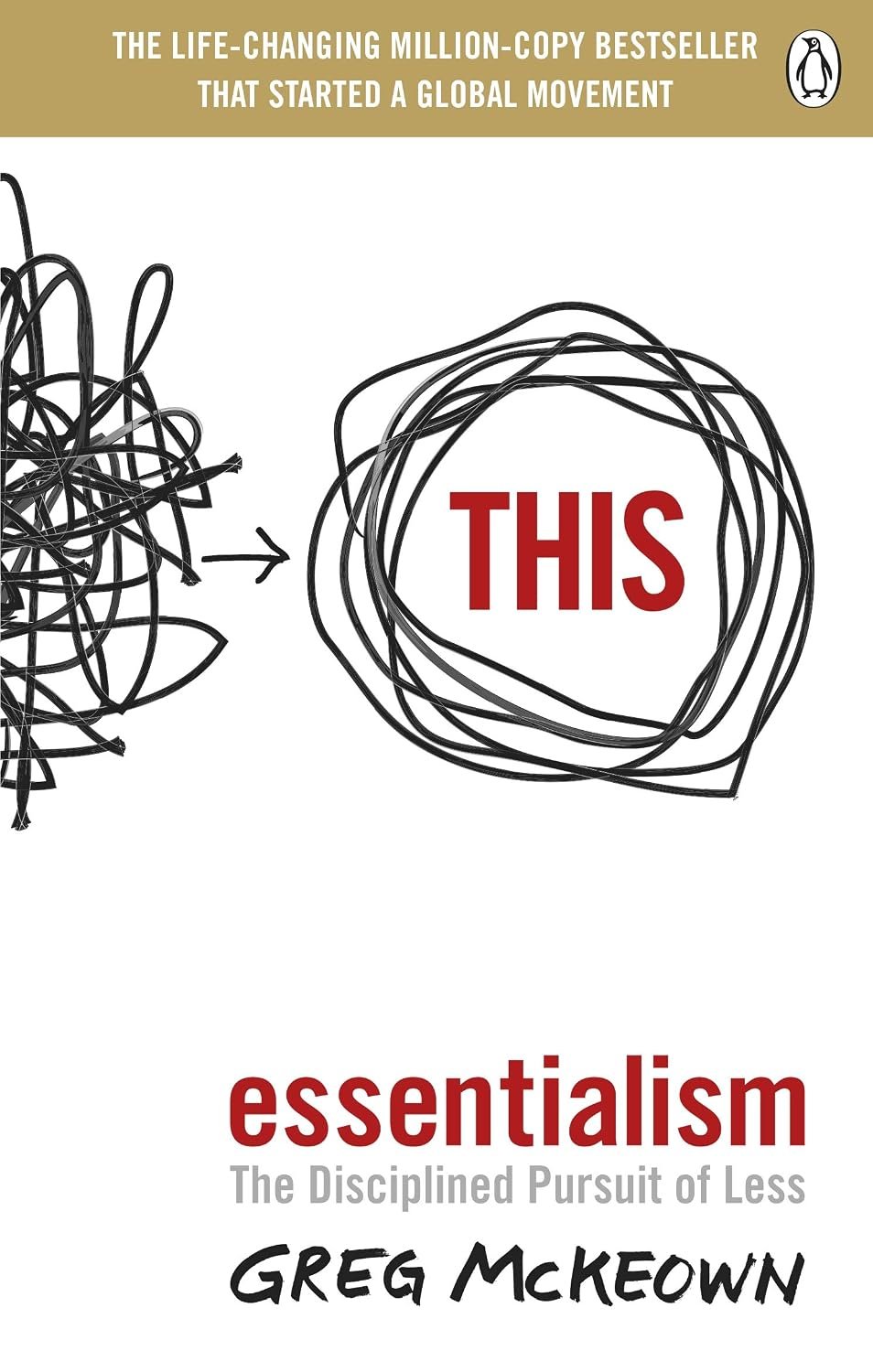
A strong recommendation for readers working on essentialism themes. For a reader searching for the best books for introverts, this one earns its place because it does not treat personal growth as decoration. It gives you a lens you can actually use when life becomes busy, emotional, or inconvenient.
Who it's for
This is for readers who want a book they can connect to real life instead of treating as a motivational poster. It adds a useful angle that the other books do not fully cover. It is also a good fit if you have tried quick tips before and now want language, structure, and a few ideas worth returning to.
Why you'll like it
You will like it because the advice feels usable without becoming shallow. The best parts are not just inspirational; they help you notice the exact moment where your normal pattern begins, which is where real change has to happen.
Key lessons
- Awareness, practice, reflection, and small behavioral changes create meaningful progress.
- Small choices become easier when your environment supports the person you are trying to become.
- Progress usually comes from practicing one useful idea repeatedly, not collecting ten new ideas every week.
Pros
- Useful and relevant to the topic.
- Strong enough to recommend as part of a serious personal development reading list.
Cons
- Local image or affiliate link may need to be added manually.
- You will get the most value if you pause and apply the exercises instead of reading straight through.
My recommendation
Use this as a supporting read after you finish the top two recommendations. I would not read it passively. Keep a note open, choose one idea, and test it for seven days. That simple follow-through is what separates a helpful book from a book that only feels helpful while you are reading it.
8. Daring Greatly by Brené Brown
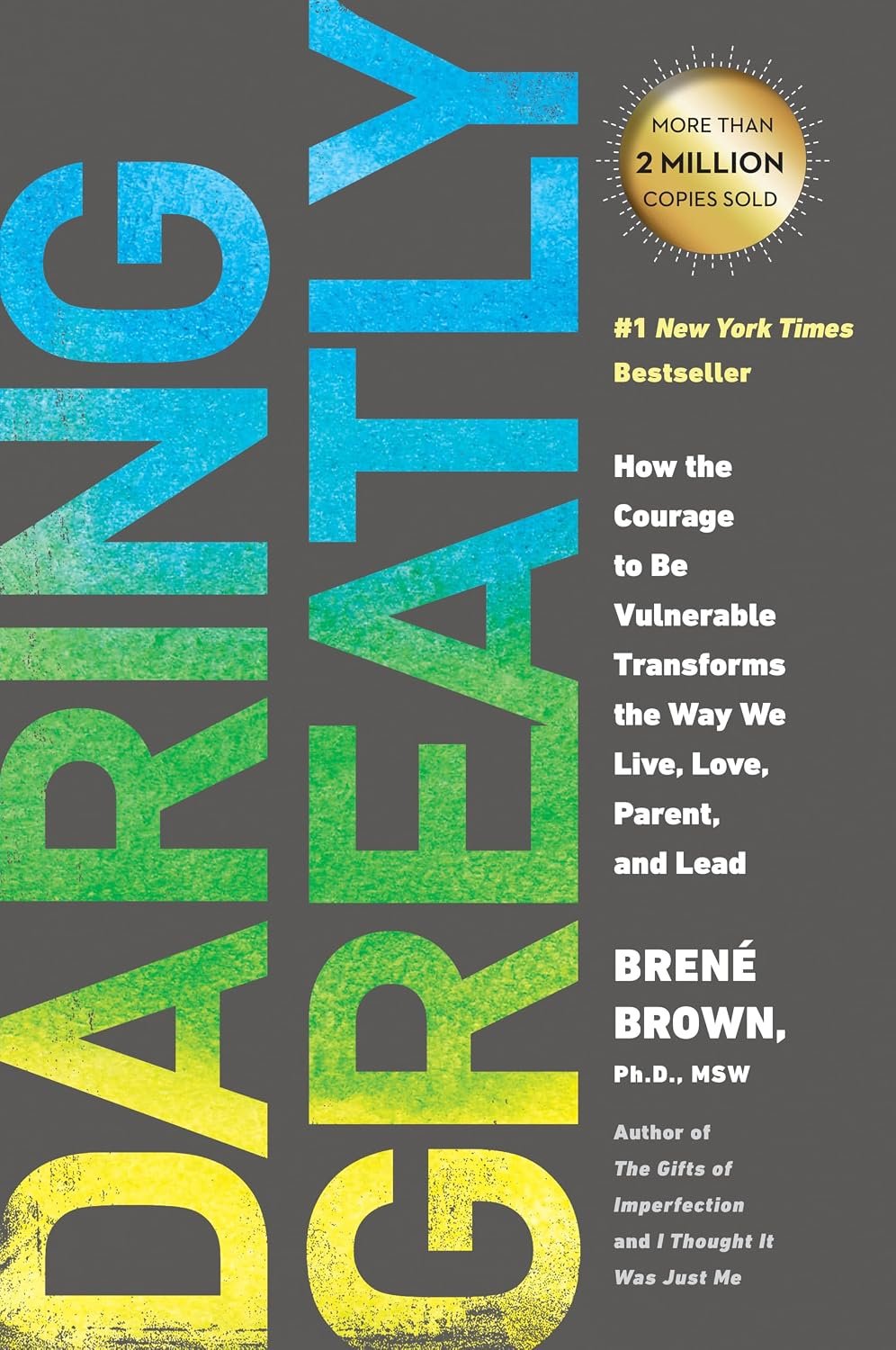
A strong recommendation for readers working on daring greatly themes. For a reader searching for the best books for introverts, this one earns its place because it does not treat personal growth as decoration. It gives you a lens you can actually use when life becomes busy, emotional, or inconvenient.
Who it's for
This is for readers who want a book they can connect to real life instead of treating as a motivational poster. It adds a useful angle that the other books do not fully cover. It is also a good fit if you have tried quick tips before and now want language, structure, and a few ideas worth returning to.
Why you'll like it
You will like it because the advice feels usable without becoming shallow. The best parts are not just inspirational; they help you notice the exact moment where your normal pattern begins, which is where real change has to happen.
Key lessons
- Awareness, practice, reflection, and small behavioral changes create meaningful progress.
- Small choices become easier when your environment supports the person you are trying to become.
- Progress usually comes from practicing one useful idea repeatedly, not collecting ten new ideas every week.
Pros
- Useful and relevant to the topic.
- Strong enough to recommend as part of a serious personal development reading list.
Cons
- Local image or affiliate link may need to be added manually.
- You will get the most value if you pause and apply the exercises instead of reading straight through.
My recommendation
Use this as a supporting read after you finish the top two recommendations. I would not read it passively. Keep a note open, choose one idea, and test it for seven days. That simple follow-through is what separates a helpful book from a book that only feels helpful while you are reading it.
9. The Highly Sensitive Person by Elaine N. Aron
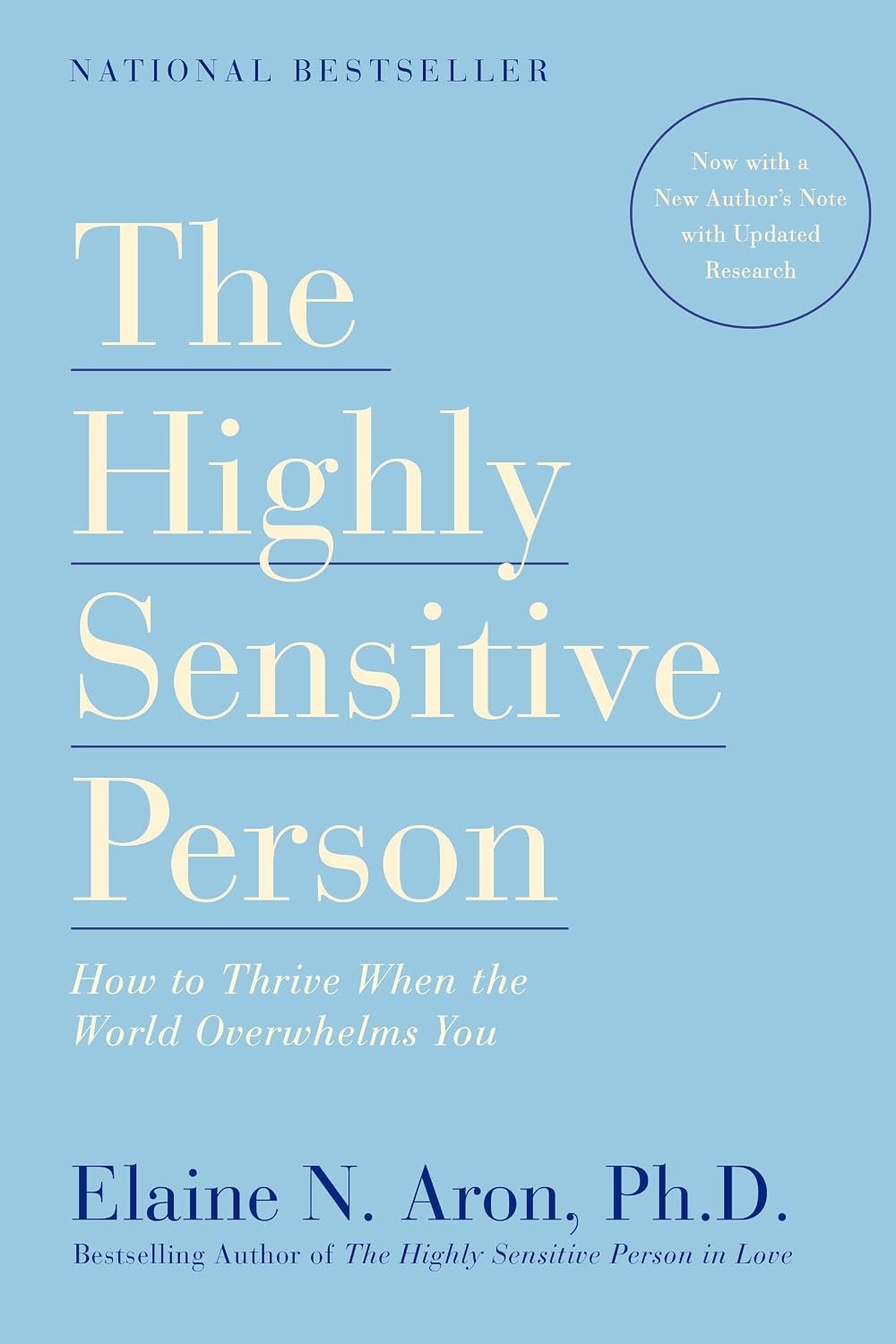
A strong recommendation for readers working on the highly sensitive person themes. For a reader searching for the best books for introverts, this one earns its place because it does not treat personal growth as decoration. It gives you a lens you can actually use when life becomes busy, emotional, or inconvenient.
Who it's for
This is for readers who want a book they can connect to real life instead of treating as a motivational poster. It adds a useful angle that the other books do not fully cover. It is also a good fit if you have tried quick tips before and now want language, structure, and a few ideas worth returning to.
Why you'll like it
You will like it because the advice feels usable without becoming shallow. The best parts are not just inspirational; they help you notice the exact moment where your normal pattern begins, which is where real change has to happen.
Key lessons
- Awareness, practice, reflection, and small behavioral changes create meaningful progress.
- Small choices become easier when your environment supports the person you are trying to become.
- Progress usually comes from practicing one useful idea repeatedly, not collecting ten new ideas every week.
Pros
- Useful and relevant to the topic.
- Strong enough to recommend as part of a serious personal development reading list.
Cons
- Local image or affiliate link may need to be added manually.
- You will get the most value if you pause and apply the exercises instead of reading straight through.
My recommendation
Use this as a supporting read after you finish the top two recommendations. I would not read it passively. Keep a note open, choose one idea, and test it for seven days. That simple follow-through is what separates a helpful book from a book that only feels helpful while you are reading it.
10. Digital Minimalism by Cal Newport
A strong recommendation for readers working on digital minimalism themes. For a reader searching for the best books for introverts, this one earns its place because it does not treat personal growth as decoration. It gives you a lens you can actually use when life becomes busy, emotional, or inconvenient.
Who it's for
This is for readers who want a book they can connect to real life instead of treating as a motivational poster. It adds a useful angle that the other books do not fully cover. It is also a good fit if you have tried quick tips before and now want language, structure, and a few ideas worth returning to.
Why you'll like it
You will like it because the advice feels usable without becoming shallow. The best parts are not just inspirational; they help you notice the exact moment where your normal pattern begins, which is where real change has to happen.
Key lessons
- Awareness, practice, reflection, and small behavioral changes create meaningful progress.
- Small choices become easier when your environment supports the person you are trying to become.
- Progress usually comes from practicing one useful idea repeatedly, not collecting ten new ideas every week.
Pros
- Useful and relevant to the topic.
- Strong enough to recommend as part of a serious personal development reading list.
Cons
- Local image or affiliate link may need to be added manually.
- You will get the most value if you pause and apply the exercises instead of reading straight through.
My recommendation
Use this as a supporting read after you finish the top two recommendations. I would not read it passively. Keep a note open, choose one idea, and test it for seven days. That simple follow-through is what separates a helpful book from a book that only feels helpful while you are reading it.
Quiet vs The Introvert Advantage
Quiet is the stronger cultural argument; The Introvert Advantage is the more personal energy-management guide. If you want the most efficient choice, ask what is blocking you right now. Choose the first when you need action and structure. Choose the second when you need insight, language, or a deeper emotional reset.
Sorry I'm Late, I Didn't Want to Come vs The Charisma Myth
Jessica Pan's book is a funny stretch challenge; The Charisma Myth is more tactical for social presence. Both are worthwhile, but they serve different moods. One gives you a map; the other changes the energy with which you approach the map. That difference matters because the best book is not always the most famous one. It is the one you will actually use this month.
Which Book Should You Read Next?
For most readers, I would start with Quiet. It gives the list a strong center. If you want something more practical, go to The Introvert Advantage. If you want a deeper mindset shift, choose Sorry I'm Late, I Didn't Want to Come. The important thing is not to race through all ten books. Read one, underline the idea that hits closest to home, and build a small experiment around it.
That is the BookReadersHub standard I care about most: a recommendation should help you choose, not just browse. A good book does not transform your life by sitting in a cart. It transforms your life when it changes one repeatable behavior.