10 Best Books for Procrastination
If you are looking for the best books for procrastination, the real goal is probably bigger than finding another title for your shelf. You want a book that changes the way you handle ordinary days: the conversation you avoid, the task you delay, the thought that loops at night, the decision that keeps getting postponed.
This guide is written in that spirit. I have chosen books that are practical enough to use, thoughtful enough to reread, and broad enough to help different kinds of readers. Some are research-based. Some are story-driven. Some are direct and tactical. Together, they give you a rounded path for procrastination without turning personal growth into a pile of generic advice.
Quick Picks
- Best overall: Solving the Procrastination Puzzle
- Best practical follow-up: Procrastination
- Best for deeper mindset work: The 5 Second Rule
- Best if you want one small action today: The War of Art
Comparison Table
| Book | Best For | Style | Start Here If... |
|---|---|---|---|
| Solving the Procrastination Puzzle | It focuses on action, emotion regulation, and the cost of needless delay. | Practical | Read this when you want the clearest explanation of why procrastination keeps winning. |
| Procrastination | It is strong because it does not shame the reader into productivity. | Reflective | Best for chronic procrastination that feels emotional, not just disorganized. |
| The 5 Second Rule | It adds a useful angle that the other books do not fully cover. | Research-backed | Use this as a supporting read after you finish the top two recommendations. |
| Eat That Frog! | It is simple enough to apply the same day. | Story-driven | Best when you need a quick reset, not a complex productivity philosophy. |
| The War of Art | It adds a useful angle that the other books do not fully cover. | Motivational | Use this as a supporting read after you finish the top two recommendations. |
| Do the Work | It is blunt, energetic, and especially good for writers, creators, and builders. | Practical | Best as a weekend read when you need to restart a stalled project. |
| Atomic Habits | It adds a useful angle that the other books do not fully cover. | Reflective | Use this as a supporting read after you finish the top two recommendations. |
| The Now Habit | It adds a useful angle that the other books do not fully cover. | Research-backed | Use this as a supporting read after you finish the top two recommendations. |
| The Mountain Is You | It adds a useful angle that the other books do not fully cover. | Story-driven | Use this as a supporting read after you finish the top two recommendations. |
| Getting Things Done | It works because it separates remembering from deciding and doing. | Motivational | Read this if your problem is too many open loops. |
How I Chose These Books
I looked for books that match how people actually change: slowly, unevenly, and through repeated practice. A good recommendation for procrastination should do more than sound impressive. It should help you understand yourself, make one better choice today, and return to the page when the first burst of motivation fades.
I also considered usefulness for different readers. Readers who know what they should do but keep delaying the start do not all need the same kind of book. That is why this list includes classic self-help, psychology, habit design, communication, focus, emotional awareness, and values-based action where relevant.
1. Solving the Procrastination Puzzle by Timothy A. Pychyl
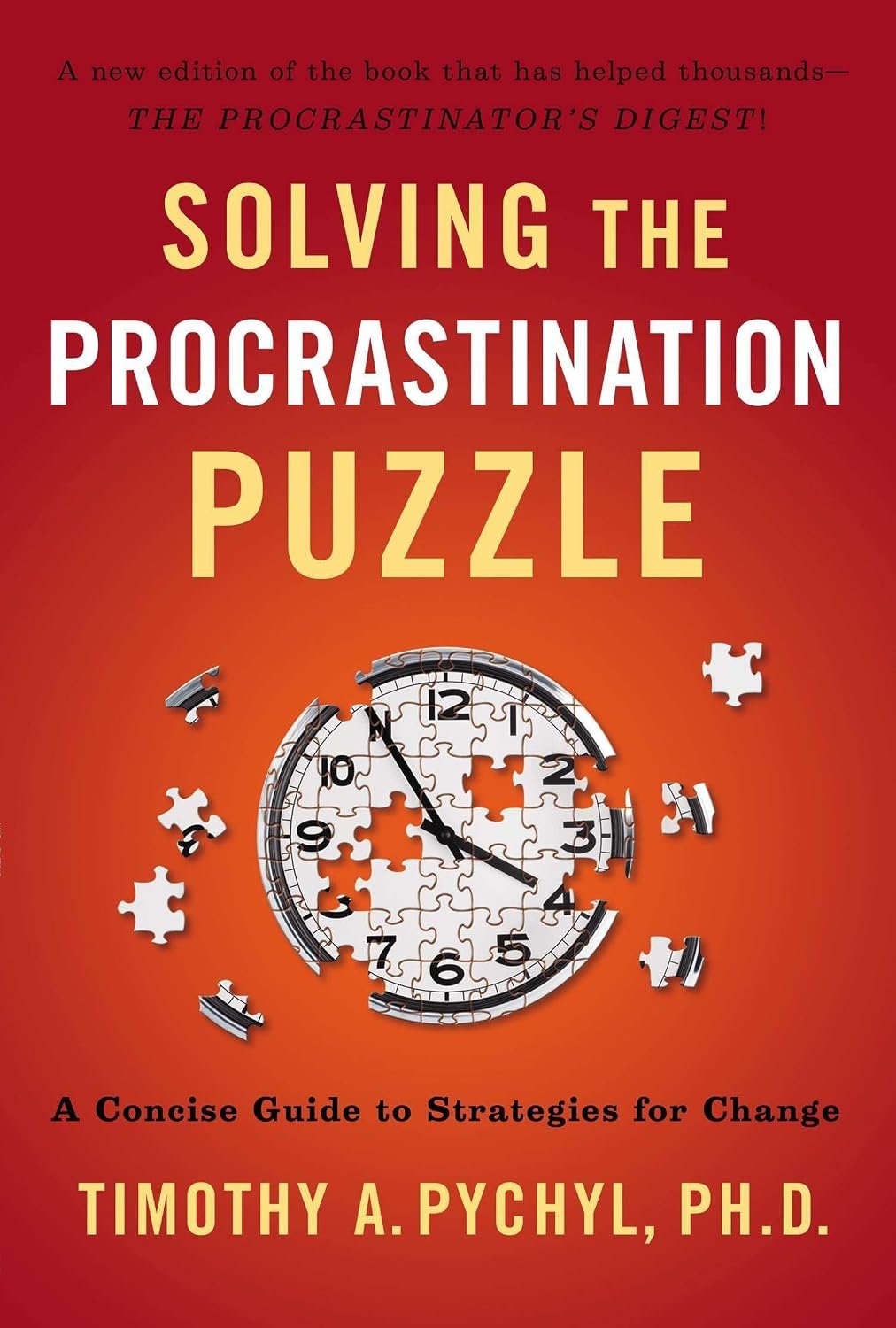
A concise, research-backed guide to starting tasks before your mood cooperates. For a reader searching for the best books for procrastination, this one earns its place because it does not treat personal growth as decoration. It gives you a lens you can actually use when life becomes busy, emotional, or inconvenient.
Who it's for
This is for readers who want a book they can connect to real life instead of treating as a motivational poster. It focuses on action, emotion regulation, and the cost of needless delay. It is also a good fit if you have tried quick tips before and now want language, structure, and a few ideas worth returning to.
Why you'll like it
You will like it because the advice feels usable without becoming shallow. The best parts are not just inspirational; they help you notice the exact moment where your normal pattern begins, which is where real change has to happen.
Key lessons
- Mood repair drives delay; future-self thinking matters; just getting started changes the task.
- Small choices become easier when your environment supports the person you are trying to become.
- Progress usually comes from practicing one useful idea repeatedly, not collecting ten new ideas every week.
Pros
- Short and evidence-based.
- Strong enough to recommend as part of a serious personal development reading list.
Cons
- Some readers may want more stories.
- You will get the most value if you pause and apply the exercises instead of reading straight through.
My recommendation
Read this when you want the clearest explanation of why procrastination keeps winning. I would not read it passively. Keep a note open, choose one idea, and test it for seven days. That simple follow-through is what separates a helpful book from a book that only feels helpful while you are reading it.
2. Procrastination by Jane B. Burka and Lenora M. Yuen
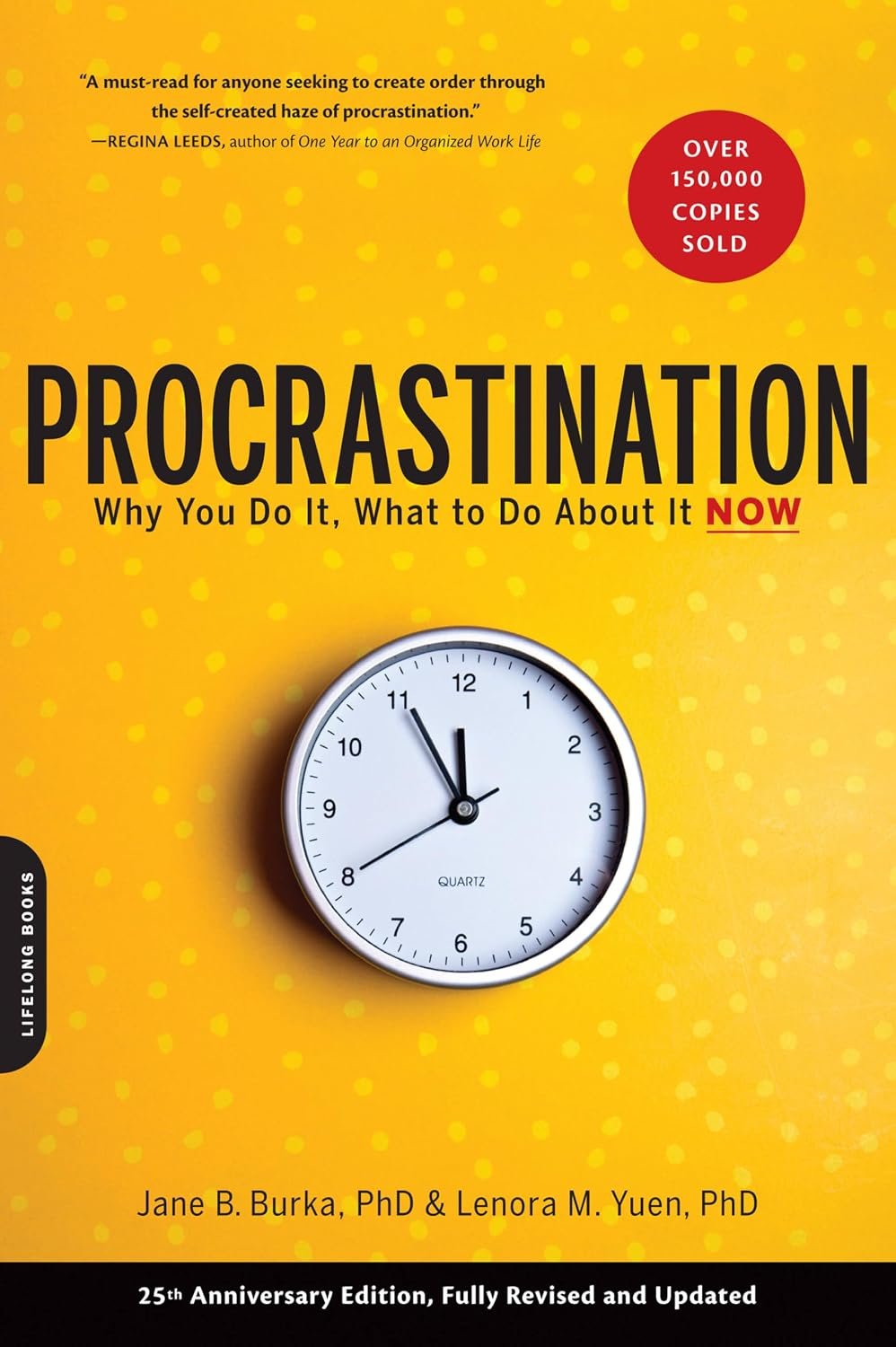
A compassionate look at the fears, beliefs, and patterns underneath procrastination. For a reader searching for the best books for procrastination, this one earns its place because it does not treat personal growth as decoration. It gives you a lens you can actually use when life becomes busy, emotional, or inconvenient.
Who it's for
This is for readers who want a book they can connect to real life instead of treating as a motivational poster. It is strong because it does not shame the reader into productivity. It is also a good fit if you have tried quick tips before and now want language, structure, and a few ideas worth returning to.
Why you'll like it
You will like it because the advice feels usable without becoming shallow. The best parts are not just inspirational; they help you notice the exact moment where your normal pattern begins, which is where real change has to happen.
Key lessons
- Delay often protects emotion; perfectionism fuels avoidance; small starts reduce threat.
- Small choices become easier when your environment supports the person you are trying to become.
- Progress usually comes from practicing one useful idea repeatedly, not collecting ten new ideas every week.
Pros
- Deep and psychologically useful.
- Strong enough to recommend as part of a serious personal development reading list.
Cons
- Less punchy than modern habit books.
- You will get the most value if you pause and apply the exercises instead of reading straight through.
My recommendation
Best for chronic procrastination that feels emotional, not just disorganized. I would not read it passively. Keep a note open, choose one idea, and test it for seven days. That simple follow-through is what separates a helpful book from a book that only feels helpful while you are reading it.
3. The 5 Second Rule by Mel Robbins
A strong recommendation for readers working on the 5 second rule themes. For a reader searching for the best books for procrastination, this one earns its place because it does not treat personal growth as decoration. It gives you a lens you can actually use when life becomes busy, emotional, or inconvenient.
Who it's for
This is for readers who want a book they can connect to real life instead of treating as a motivational poster. It adds a useful angle that the other books do not fully cover. It is also a good fit if you have tried quick tips before and now want language, structure, and a few ideas worth returning to.
Why you'll like it
You will like it because the advice feels usable without becoming shallow. The best parts are not just inspirational; they help you notice the exact moment where your normal pattern begins, which is where real change has to happen.
Key lessons
- Awareness, practice, reflection, and small behavioral changes create meaningful progress.
- Small choices become easier when your environment supports the person you are trying to become.
- Progress usually comes from practicing one useful idea repeatedly, not collecting ten new ideas every week.
Pros
- Useful and relevant to the topic.
- Strong enough to recommend as part of a serious personal development reading list.
Cons
- Local image or affiliate link may need to be added manually.
- You will get the most value if you pause and apply the exercises instead of reading straight through.
My recommendation
Use this as a supporting read after you finish the top two recommendations. I would not read it passively. Keep a note open, choose one idea, and test it for seven days. That simple follow-through is what separates a helpful book from a book that only feels helpful while you are reading it.
4. Eat That Frog! by Brian Tracy
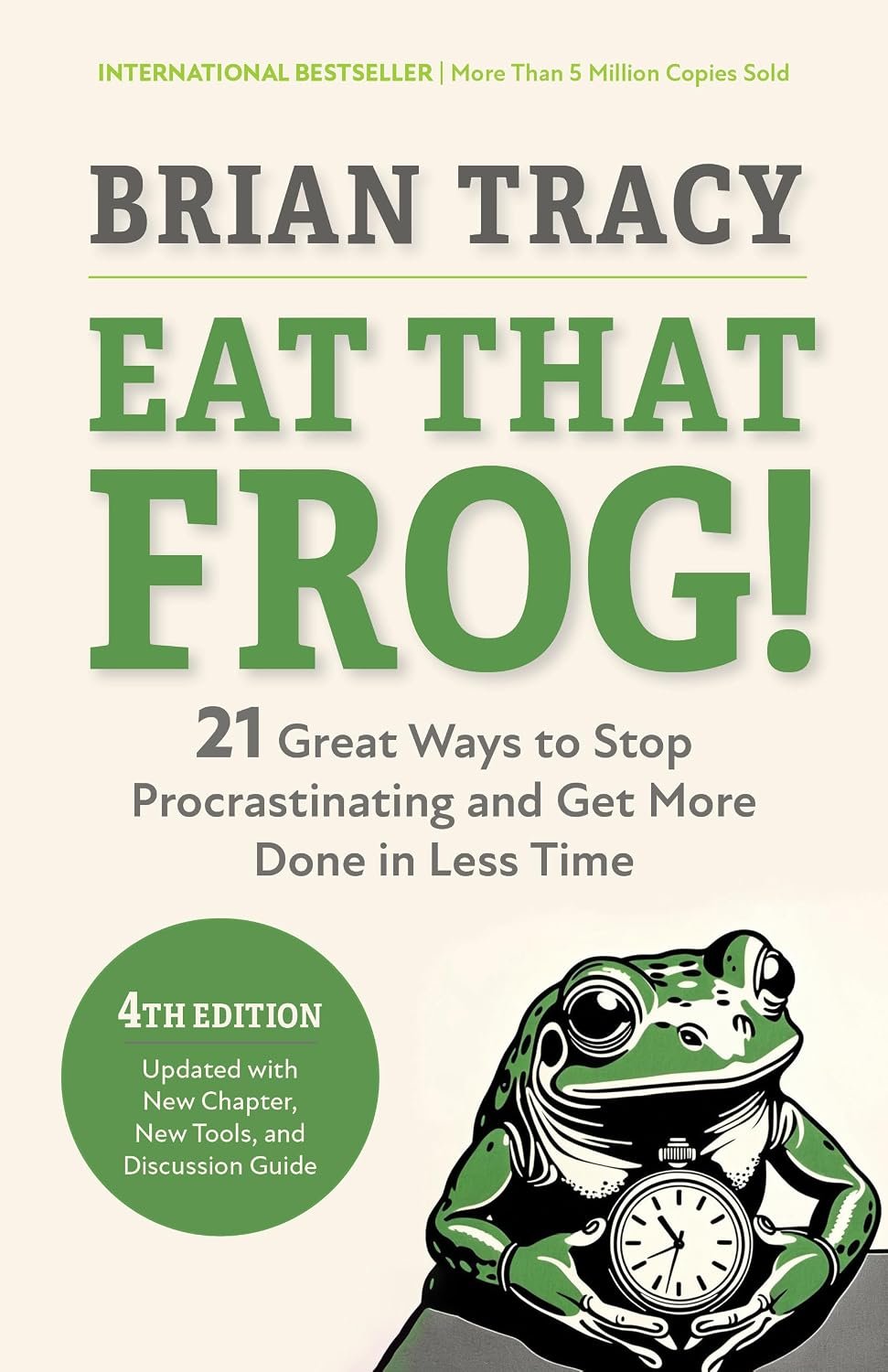
A short, direct book about doing the highest-value task first. For a reader searching for the best books for procrastination, this one earns its place because it does not treat personal growth as decoration. It gives you a lens you can actually use when life becomes busy, emotional, or inconvenient.
Who it's for
This is for readers who want a book they can connect to real life instead of treating as a motivational poster. It is simple enough to apply the same day. It is also a good fit if you have tried quick tips before and now want language, structure, and a few ideas worth returning to.
Why you'll like it
You will like it because the advice feels usable without becoming shallow. The best parts are not just inspirational; they help you notice the exact moment where your normal pattern begins, which is where real change has to happen.
Key lessons
- Prioritize ruthlessly; start before you feel ready; important work deserves prime energy.
- Small choices become easier when your environment supports the person you are trying to become.
- Progress usually comes from practicing one useful idea repeatedly, not collecting ten new ideas every week.
Pros
- Fast, motivating, and practical.
- Strong enough to recommend as part of a serious personal development reading list.
Cons
- Not subtle or research-heavy.
- You will get the most value if you pause and apply the exercises instead of reading straight through.
My recommendation
Best when you need a quick reset, not a complex productivity philosophy. I would not read it passively. Keep a note open, choose one idea, and test it for seven days. That simple follow-through is what separates a helpful book from a book that only feels helpful while you are reading it.
5. The War of Art by Steven Pressfield

A strong recommendation for readers working on the war of art themes. For a reader searching for the best books for procrastination, this one earns its place because it does not treat personal growth as decoration. It gives you a lens you can actually use when life becomes busy, emotional, or inconvenient.
Who it's for
This is for readers who want a book they can connect to real life instead of treating as a motivational poster. It adds a useful angle that the other books do not fully cover. It is also a good fit if you have tried quick tips before and now want language, structure, and a few ideas worth returning to.
Why you'll like it
You will like it because the advice feels usable without becoming shallow. The best parts are not just inspirational; they help you notice the exact moment where your normal pattern begins, which is where real change has to happen.
Key lessons
- Awareness, practice, reflection, and small behavioral changes create meaningful progress.
- Small choices become easier when your environment supports the person you are trying to become.
- Progress usually comes from practicing one useful idea repeatedly, not collecting ten new ideas every week.
Pros
- Useful and relevant to the topic.
- Strong enough to recommend as part of a serious personal development reading list.
Cons
- Local image or affiliate link may need to be added manually.
- You will get the most value if you pause and apply the exercises instead of reading straight through.
My recommendation
Use this as a supporting read after you finish the top two recommendations. I would not read it passively. Keep a note open, choose one idea, and test it for seven days. That simple follow-through is what separates a helpful book from a book that only feels helpful while you are reading it.
6. Do the Work by Steven Pressfield
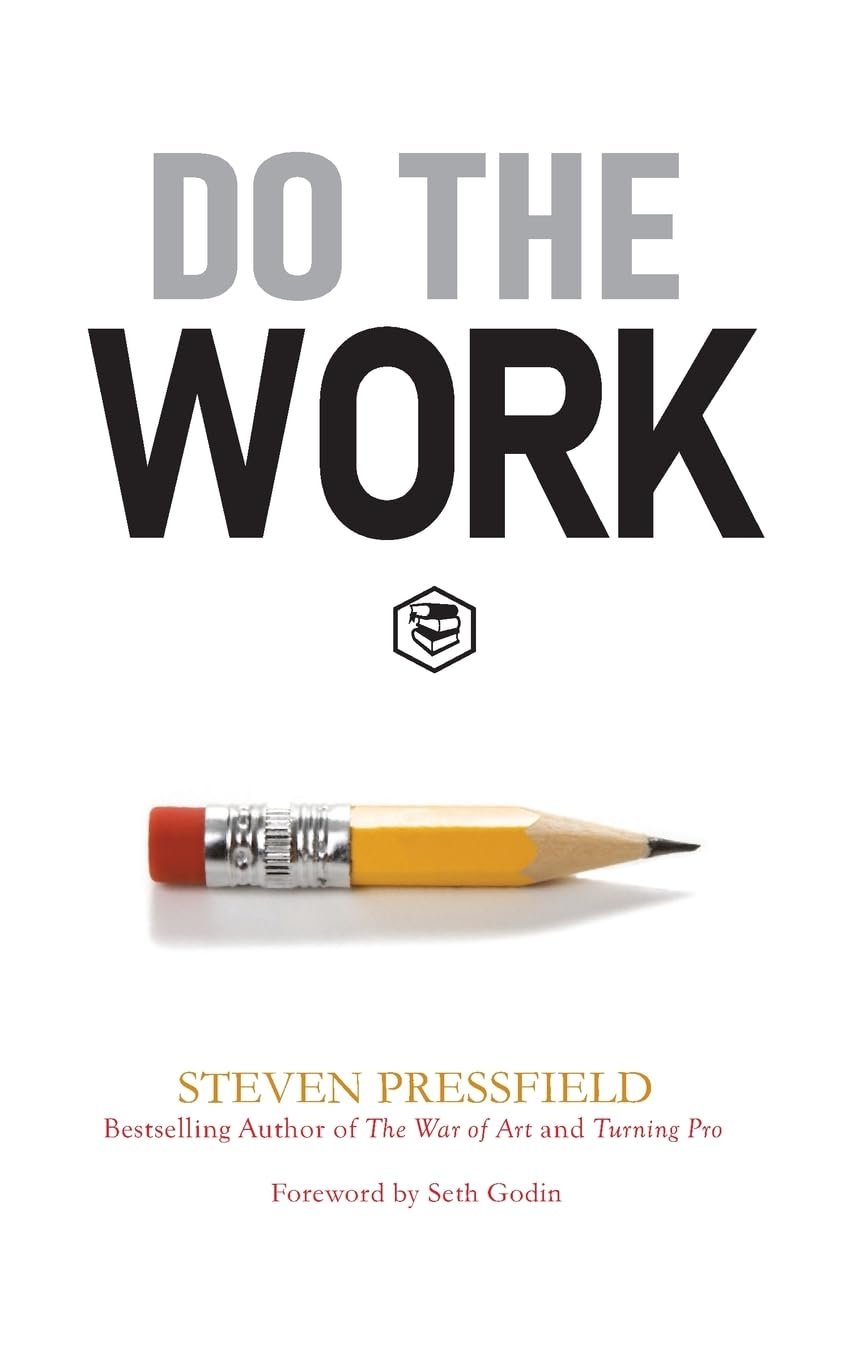
A compact creative push for finishing instead of endlessly preparing. For a reader searching for the best books for procrastination, this one earns its place because it does not treat personal growth as decoration. It gives you a lens you can actually use when life becomes busy, emotional, or inconvenient.
Who it's for
This is for readers who want a book they can connect to real life instead of treating as a motivational poster. It is blunt, energetic, and especially good for writers, creators, and builders. It is also a good fit if you have tried quick tips before and now want language, structure, and a few ideas worth returning to.
Why you'll like it
You will like it because the advice feels usable without becoming shallow. The best parts are not just inspirational; they help you notice the exact moment where your normal pattern begins, which is where real change has to happen.
Key lessons
- Resistance is expected; momentum follows action; shipping matters.
- Small choices become easier when your environment supports the person you are trying to become.
- Progress usually comes from practicing one useful idea repeatedly, not collecting ten new ideas every week.
Pros
- Quick and motivating.
- Strong enough to recommend as part of a serious personal development reading list.
Cons
- Not a complete productivity system.
- You will get the most value if you pause and apply the exercises instead of reading straight through.
My recommendation
Best as a weekend read when you need to restart a stalled project. I would not read it passively. Keep a note open, choose one idea, and test it for seven days. That simple follow-through is what separates a helpful book from a book that only feels helpful while you are reading it.
7. Atomic Habits by James Clear
A strong recommendation for readers working on atomic habits themes. For a reader searching for the best books for procrastination, this one earns its place because it does not treat personal growth as decoration. It gives you a lens you can actually use when life becomes busy, emotional, or inconvenient.
Who it's for
This is for readers who want a book they can connect to real life instead of treating as a motivational poster. It adds a useful angle that the other books do not fully cover. It is also a good fit if you have tried quick tips before and now want language, structure, and a few ideas worth returning to.
Why you'll like it
You will like it because the advice feels usable without becoming shallow. The best parts are not just inspirational; they help you notice the exact moment where your normal pattern begins, which is where real change has to happen.
Key lessons
- Awareness, practice, reflection, and small behavioral changes create meaningful progress.
- Small choices become easier when your environment supports the person you are trying to become.
- Progress usually comes from practicing one useful idea repeatedly, not collecting ten new ideas every week.
Pros
- Useful and relevant to the topic.
- Strong enough to recommend as part of a serious personal development reading list.
Cons
- Local image or affiliate link may need to be added manually.
- You will get the most value if you pause and apply the exercises instead of reading straight through.
My recommendation
Use this as a supporting read after you finish the top two recommendations. I would not read it passively. Keep a note open, choose one idea, and test it for seven days. That simple follow-through is what separates a helpful book from a book that only feels helpful while you are reading it.
8. The Now Habit by Brian Tracy
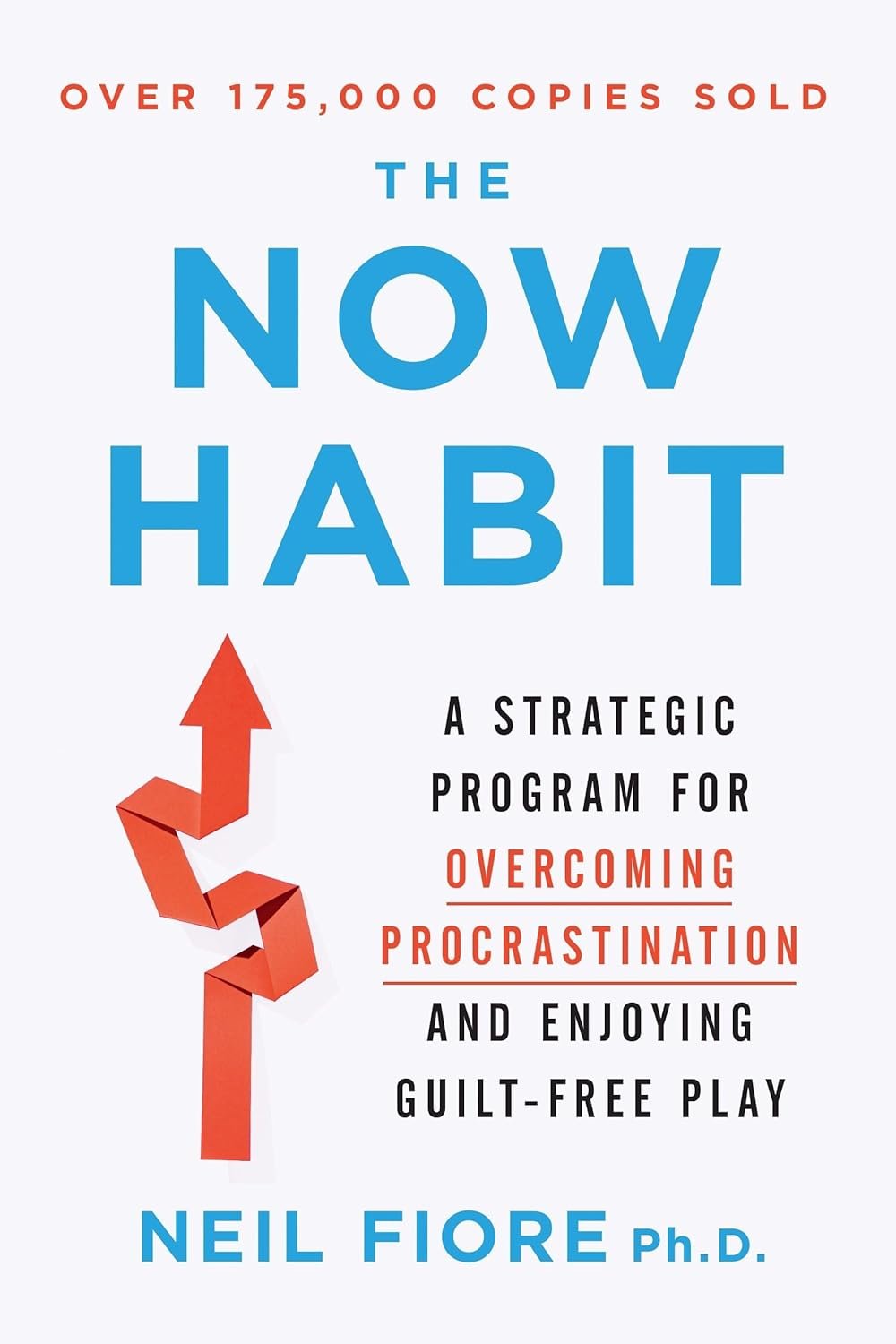
A strong recommendation for readers working on the now habit themes. For a reader searching for the best books for procrastination, this one earns its place because it does not treat personal growth as decoration. It gives you a lens you can actually use when life becomes busy, emotional, or inconvenient.
Who it's for
This is for readers who want a book they can connect to real life instead of treating as a motivational poster. It adds a useful angle that the other books do not fully cover. It is also a good fit if you have tried quick tips before and now want language, structure, and a few ideas worth returning to.
Why you'll like it
You will like it because the advice feels usable without becoming shallow. The best parts are not just inspirational; they help you notice the exact moment where your normal pattern begins, which is where real change has to happen.
Key lessons
- Awareness, practice, reflection, and small behavioral changes create meaningful progress.
- Small choices become easier when your environment supports the person you are trying to become.
- Progress usually comes from practicing one useful idea repeatedly, not collecting ten new ideas every week.
Pros
- Useful and relevant to the topic.
- Strong enough to recommend as part of a serious personal development reading list.
Cons
- Local image or affiliate link may need to be added manually.
- You will get the most value if you pause and apply the exercises instead of reading straight through.
My recommendation
Use this as a supporting read after you finish the top two recommendations. I would not read it passively. Keep a note open, choose one idea, and test it for seven days. That simple follow-through is what separates a helpful book from a book that only feels helpful while you are reading it.
9. The Mountain Is You by Brianna Wiest
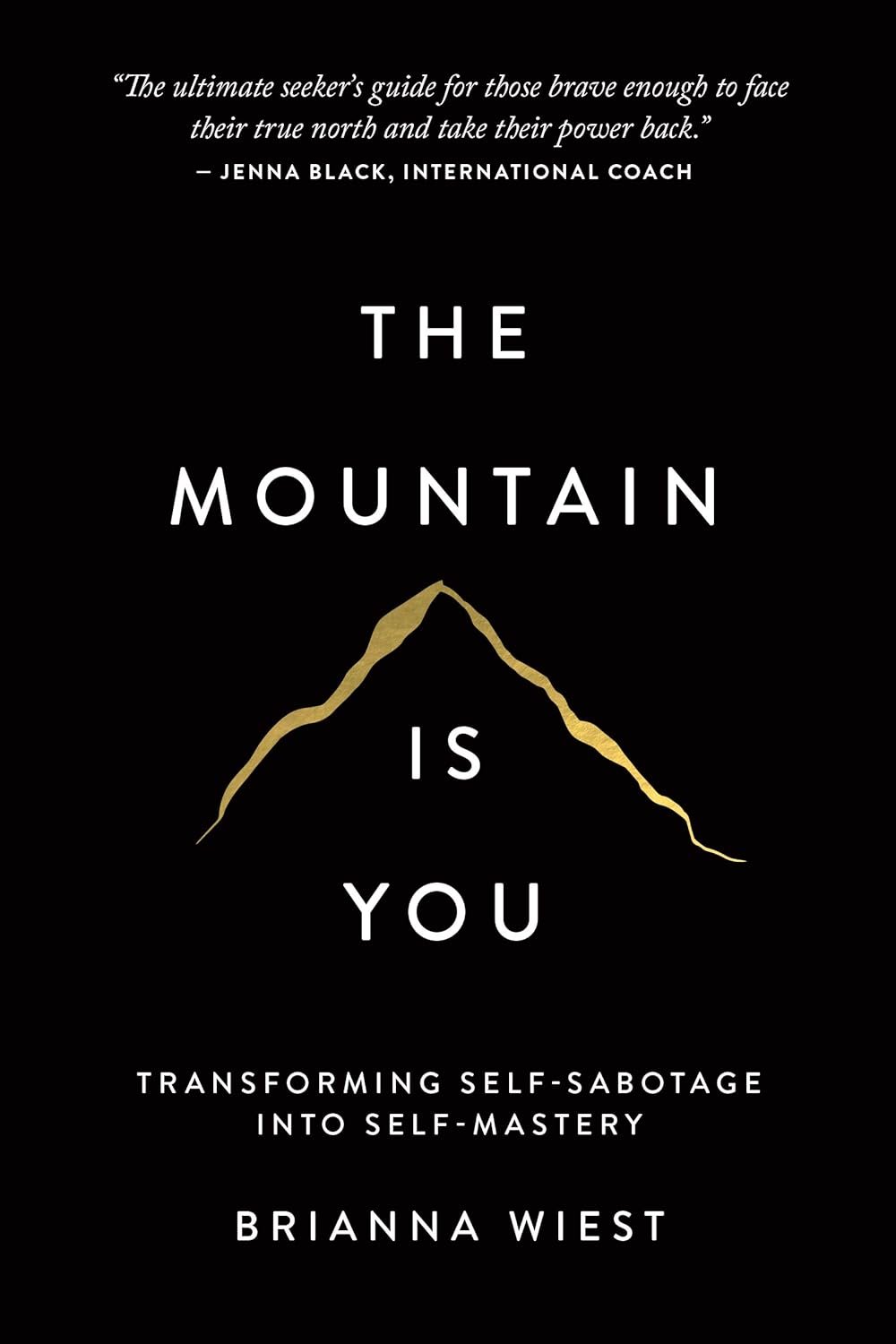
A strong recommendation for readers working on the mountain is you themes. For a reader searching for the best books for procrastination, this one earns its place because it does not treat personal growth as decoration. It gives you a lens you can actually use when life becomes busy, emotional, or inconvenient.
Who it's for
This is for readers who want a book they can connect to real life instead of treating as a motivational poster. It adds a useful angle that the other books do not fully cover. It is also a good fit if you have tried quick tips before and now want language, structure, and a few ideas worth returning to.
Why you'll like it
You will like it because the advice feels usable without becoming shallow. The best parts are not just inspirational; they help you notice the exact moment where your normal pattern begins, which is where real change has to happen.
Key lessons
- Awareness, practice, reflection, and small behavioral changes create meaningful progress.
- Small choices become easier when your environment supports the person you are trying to become.
- Progress usually comes from practicing one useful idea repeatedly, not collecting ten new ideas every week.
Pros
- Useful and relevant to the topic.
- Strong enough to recommend as part of a serious personal development reading list.
Cons
- Local image or affiliate link may need to be added manually.
- You will get the most value if you pause and apply the exercises instead of reading straight through.
My recommendation
Use this as a supporting read after you finish the top two recommendations. I would not read it passively. Keep a note open, choose one idea, and test it for seven days. That simple follow-through is what separates a helpful book from a book that only feels helpful while you are reading it.
10. Getting Things Done by David Allen
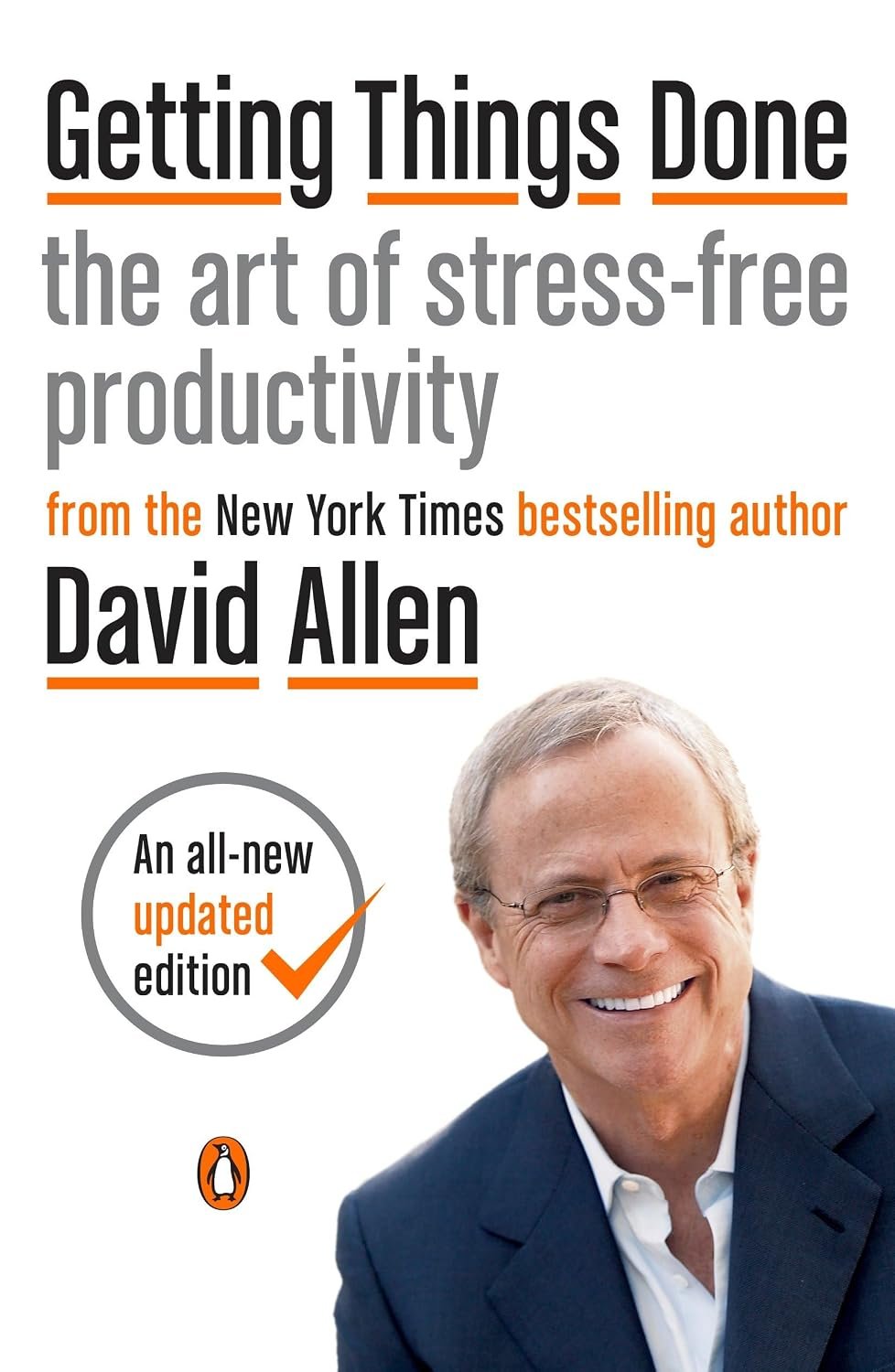
The classic productivity system for capturing commitments and reducing mental clutter. For a reader searching for the best books for procrastination, this one earns its place because it does not treat personal growth as decoration. It gives you a lens you can actually use when life becomes busy, emotional, or inconvenient.
Who it's for
This is for readers who want a book they can connect to real life instead of treating as a motivational poster. It works because it separates remembering from deciding and doing. It is also a good fit if you have tried quick tips before and now want language, structure, and a few ideas worth returning to.
Why you'll like it
You will like it because the advice feels usable without becoming shallow. The best parts are not just inspirational; they help you notice the exact moment where your normal pattern begins, which is where real change has to happen.
Key lessons
- Capture everything; clarify next actions; review regularly; trusted systems reduce stress.
- Small choices become easier when your environment supports the person you are trying to become.
- Progress usually comes from practicing one useful idea repeatedly, not collecting ten new ideas every week.
Pros
- Comprehensive and reliable.
- Strong enough to recommend as part of a serious personal development reading list.
Cons
- Can feel heavy if you overbuild the system.
- You will get the most value if you pause and apply the exercises instead of reading straight through.
My recommendation
Read this if your problem is too many open loops. I would not read it passively. Keep a note open, choose one idea, and test it for seven days. That simple follow-through is what separates a helpful book from a book that only feels helpful while you are reading it.
Solving the Procrastination Puzzle vs The 5 Second Rule
Solving the Procrastination Puzzle explains the psychology; The 5 Second Rule gives you a fast interruption pattern. If you want the most efficient choice, ask what is blocking you right now. Choose the first when you need action and structure. Choose the second when you need insight, language, or a deeper emotional reset.
The War of Art vs Atomic Habits
The War of Art is a creative kick; Atomic Habits is a repeatable system for reducing friction. Both are worthwhile, but they serve different moods. One gives you a map; the other changes the energy with which you approach the map. That difference matters because the best book is not always the most famous one. It is the one you will actually use this month.
Which Book Should You Read Next?
For most readers, I would start with Solving the Procrastination Puzzle. It gives the list a strong center. If you want something more practical, go to Procrastination. If you want a deeper mindset shift, choose The 5 Second Rule. The important thing is not to race through all ten books. Read one, underline the idea that hits closest to home, and build a small experiment around it.
That is the BookReadersHub standard I care about most: a recommendation should help you choose, not just browse. A good book does not transform your life by sitting in a cart. It transforms your life when it changes one repeatable behavior.