Best Books Like Rich Dad Poor Dad
Rich Dad Poor Dad works because it changes the way beginners think about money. It makes the difference between assets and liabilities feel obvious. It questions the old path of earning a salary, spending most of it, and hoping everything works out later. For many readers, it is the first book that makes financial freedom feel like a system rather than a fantasy.
The best books like Rich Dad Poor Dad go deeper. Some explain money psychology. Some teach practical personal finance. Some focus on investing, frugality, cash flow, entrepreneurship, or long-term wealth. If Kiyosaki gave you the spark, the books below help you build the fire carefully.
Quick Picks
- Best overall follow-up - The Psychology of Money
- Best beginner classic - The Richest Man in Babylon
- Best practical money system - I Will Teach You To Be Rich
- Best for frugal wealth - The Millionaire Next Door
- Best for investor mindset - The Simple Path to Wealth
Comparison Table
| Book | Best For | Why Read It After Rich Dad Poor Dad? |
|---|---|---|
| The Psychology of Money | Money behavior | It explains why smart money choices are emotional, not only mathematical. |
| The Richest Man in Babylon | Simple wealth rules | It turns saving and investing into memorable parables. |
| I Will Teach You To Be Rich | Practical systems | It shows how to automate money in real life. |
| The Millionaire Next Door | Frugal wealth | It proves wealth often looks ordinary from the outside. |
| The Simple Path to Wealth | Index investing | It gives beginners a calm investing philosophy. |
| Think and Grow Rich | Wealth mindset | It focuses on desire, belief, persistence, and opportunity. |
| The Compound Effect | Consistency | It shows how daily choices compound financially and personally. |
| Money Master the Game | Financial planning | It expands the conversation into investing and long-term security. |
How I Chose These Books
I chose books that help a reader move from inspiration to financial maturity. Rich Dad Poor Dad is excellent at changing your mindset, but it is not a complete financial plan. So this list balances mindset books with practical books: saving, investing, behavior, discipline, and asset-building.
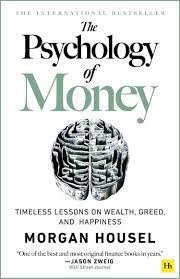
1. The Psychology of Money by Morgan Housel
This is the best modern follow-up to Rich Dad Poor Dad because it explains the human side of money. Housel does not make money feel like a spreadsheet. He makes it feel like what it really is: behavior under uncertainty.
Who it's for: Readers who want to understand patience, risk, ego, luck, and enough.
Why you'll like it: It makes financial success feel less like genius and more like emotional discipline.
- Key lesson: Getting wealthy and staying wealthy are different skills.
- Key lesson: Your personal history shapes how you handle money.
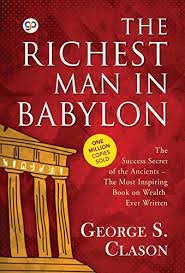
2. The Richest Man in Babylon by George S. Clason
This classic uses simple parables to teach saving, investing, and controlling expenses. It is old, but the advice remains clear because human money mistakes have not changed much.
Who it's for: Beginners who want timeless financial basics without technical language.
Why you'll like it: It makes old advice feel memorable: pay yourself first, control spending, and make money multiply.
- Pros: Short, simple, and beginner-friendly.
- Cons: It will not teach modern investing details.
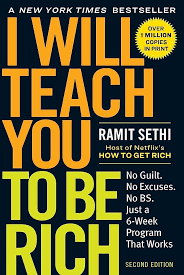
3. I Will Teach You To Be Rich by Ramit Sethi
If Rich Dad Poor Dad makes you want assets, Ramit Sethi helps you organize the daily system: banking, saving, investing, spending consciously, and automating the boring parts.
Who it's for: Readers who want practical steps more than motivational ideas.
My recommendation: Read this when you are ready to turn money motivation into a working setup.
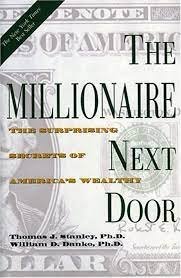
4. The Millionaire Next Door by Thomas J. Stanley and William D. Danko
This book is a useful correction to flashy wealth culture. It shows that many wealthy people are not trying to look rich. They live below their means, avoid lifestyle inflation, and build quietly.
Best for: Readers who need to separate real wealth from expensive appearances.
Key takeaway: Financial independence often looks boring from the outside.
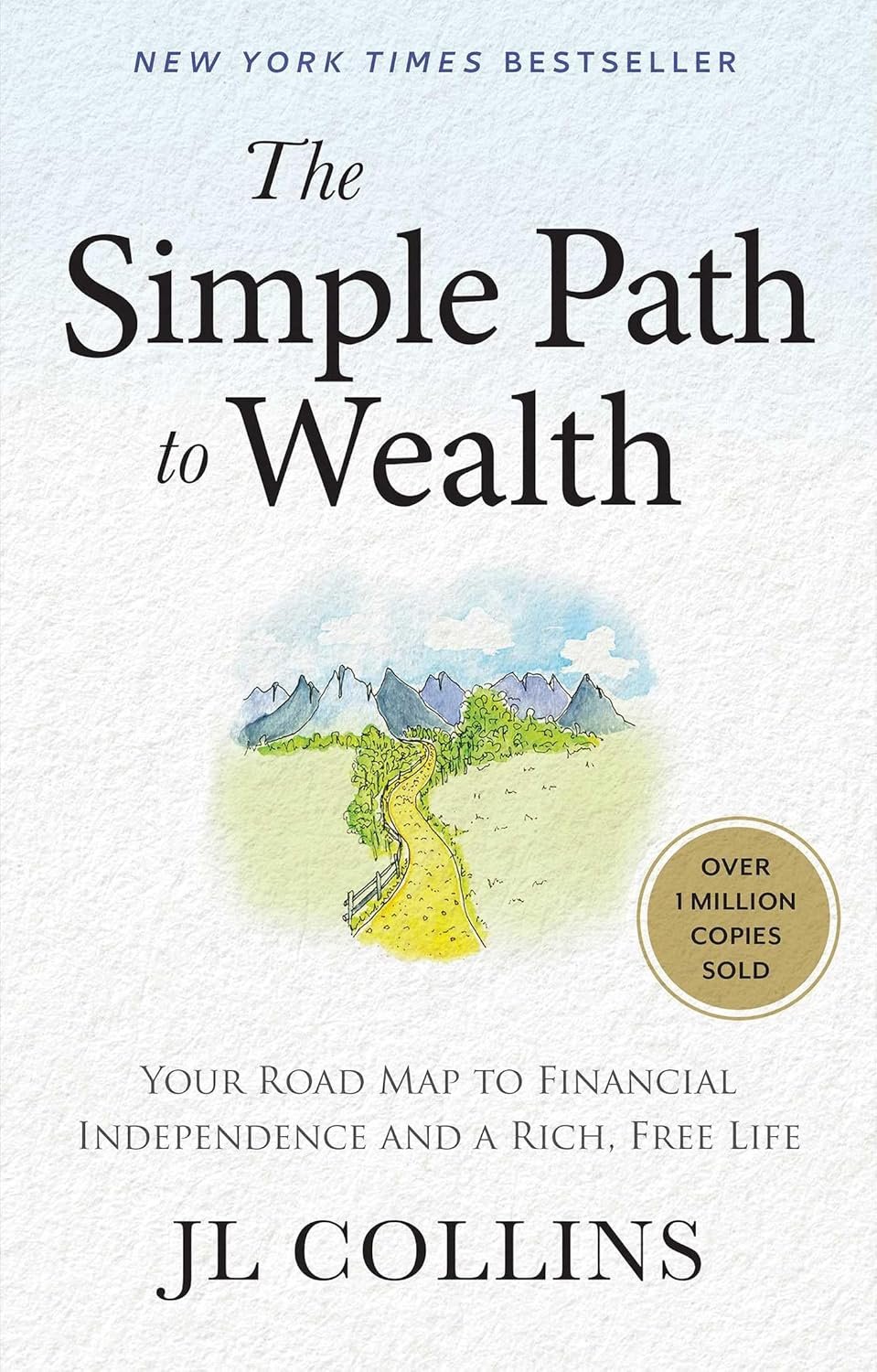
5. The Simple Path to Wealth by JL Collins
This is one of the clearest beginner investing books to read after Rich Dad Poor Dad. It is especially useful if you want a calm, long-term approach to index funds and financial independence.
Best for: Readers who want simple investing principles without constant trading.
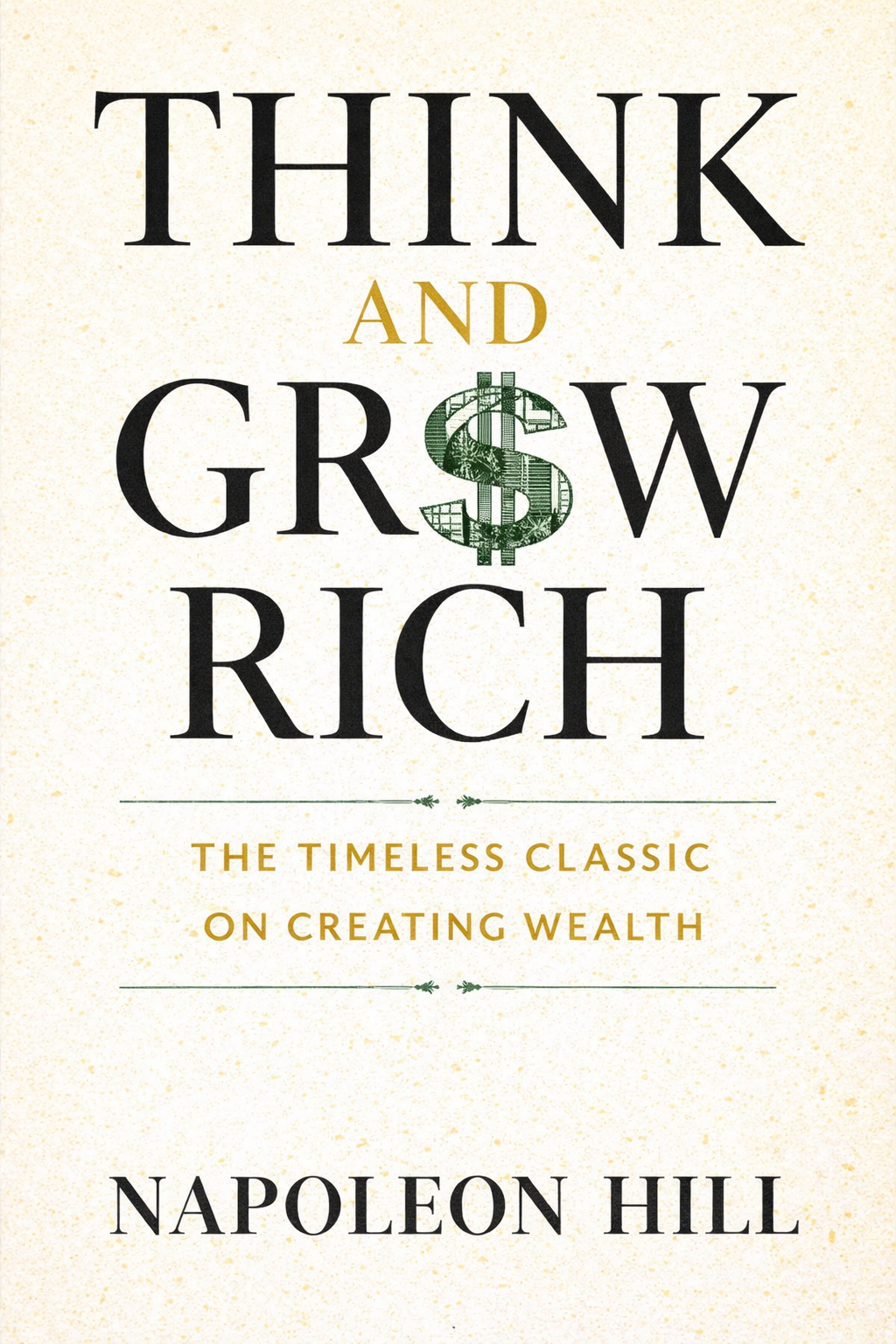
6. Think and Grow Rich by Napoleon Hill
Think and Grow Rich is less practical than a modern finance manual, but it remains powerful for mindset, desire, persistence, and belief. Read it as a book about ambition, not as a complete money plan.
Related: Our Think and Grow Rich summary for entrepreneurs.
7. The Compound Effect by Darren Hardy
Money changes slowly until it changes dramatically. The Compound Effect explains the daily behavior behind that reality: spending, saving, learning, networking, and working on assets consistently.
Best for: Readers who need discipline and momentum.
8. Money Master the Game by Tony Robbins
This is a bigger, broader book about financial security and investing. It is not as simple as Rich Dad Poor Dad, but it expands the conversation from assets into planning, allocation, and long-term thinking.
Best for: Readers ready for a larger personal finance and investing guide.
Which Book Should You Read Next?
If you want the strongest overall next read, choose The Psychology of Money. If you want simple rules, choose The Richest Man in Babylon. If you want practical automation, choose I Will Teach You To Be Rich. If your biggest weakness is spending to look successful, The Millionaire Next Door may be the most important book on the list.