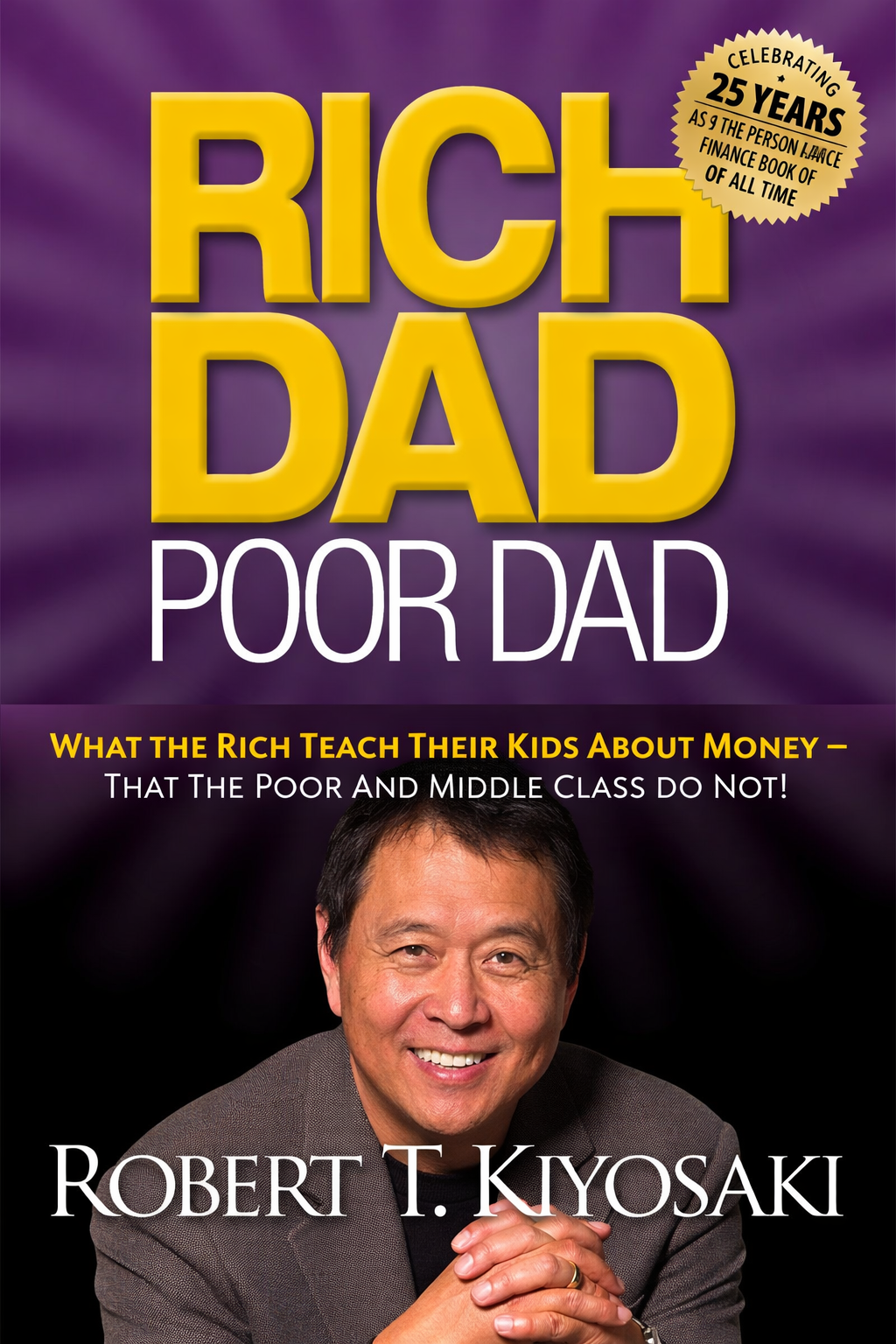
Rich Dad Poor Dad Summary for Entrepreneurs (Financial Mindset Explained)
Most entrepreneurs start businesses to earn income.
Few understand how to build wealth.
That difference changes everything.
When I first read Rich Dad Poor Dad, I realized it wasn't just about money.
It was about how you think about money.
Written by Robert Kiyosaki, Rich Dad Poor Dad challenges traditional beliefs about work, salary, and financial security.
This is not a technical accounting manual.
It's a mindset shift for entrepreneurs in 2026.
What Is Rich Dad Poor Dad About?
The book compares two financial mindsets:
- Poor Dad → Job security, salary focus, traditional path
- Rich Dad → Asset building, investing, financial independence
The core message:
The rich don't work for money. Money works for them.
For entrepreneurs, this distinction is critical.
The Core Lessons Explained for Entrepreneurs
1. The Rich Don't Work for Money
Employees trade time for salary.
Entrepreneurs often start the same way — just self-employed.
But true wealth comes from:
- Owning systems
- Owning assets
- Creating recurring income
If your business depends entirely on your presence, you own a job — not a business.
2. Assets vs Liabilities
Kiyosaki simplifies wealth building:
- Assets put money in your pocket.
- Liabilities take money out of your pocket.
Entrepreneurs should focus on:
Assets:
- Businesses
- Rental properties
- Digital products
- Investments
- Intellectual property
Liabilities:
- Consumer debt
- Lifestyle inflation
- Unnecessary expenses
Wealth grows from asset accumulation.
3. The Cash Flow Quadrant Mindset
Though expanded in later books, the idea appears here:
- Employee (E)
- Self-Employed (S)
- Business Owner (B)
- Investor (I)
Entrepreneurs must aim to move from:
S → B → I
Build systems that operate without daily involvement.
4. Financial Intelligence Matters
Schools teach how to earn money.
They rarely teach:
- Accounting basics
- Investing
- Risk management
- Tax efficiency
Entrepreneurs who understand financial statements make smarter decisions.
Knowledge reduces fear.
5. Overcoming Fear and Risk
Many people avoid investing because they fear losing money.
Kiyosaki argues:
Financial education reduces fear.
Entrepreneurs must take calculated risks.
Growth requires discomfort.
6. Build Businesses That Create Assets
Not all businesses are assets.
A true asset:
- Produces income
- Scales without constant labor
- Increases in value
This aligns with The Lean Startup Summary for Entrepreneurs — build smart before scaling.
7. Mindset Before Money
Just like in Think and Grow Rich Summary for Entrepreneurs , belief shapes outcomes.
Rich Dad Poor Dad reinforces:
- Opportunity thinking
- Long-term vision
- Delayed gratification
Financial freedom begins mentally.
How Rich Dad Poor Dad Applies in 2026
In today's world:
- Digital businesses
- SaaS products
- Online education
- AI-powered tools
- Remote income streams
Entrepreneurs can build assets faster than ever.
High earners are not always wealthy. Asset builders are.
Common Misunderstandings
❌ It's not anti-education.
❌ It's not “get rich quick.”
❌ It's not purely about real estate.
It's about financial literacy.
Rich Dad vs Atomic Habits vs 7 Habits
- Atomic Habits → Discipline
- The 7 Habits → Leadership
- Rich Dad Poor Dad → Financial thinking
Together they create a strong entrepreneurial foundation.
Who Should Read Rich Dad Poor Dad?
- First-time entrepreneurs
- Founders stuck in self-employment
- Professionals transitioning to business
- Anyone seeking financial independence
It's beginner-friendly but powerful.
Key Quotes
“The rich don't work for money.”
“It's not how much money you make. It's how much money you keep.”
Action Plan for Entrepreneurs
- Track your assets and liabilities.
- Build at least one income-generating asset.
- Study basic accounting and cash flow.
- Reinvest profits into scalable assets.
- Focus on long-term wealth — not short-term income.
Wealth compounds when reinvested.
Final Thoughts
Rich Dad Poor Dad is not about becoming wealthy overnight.
It's about thinking differently.
Entrepreneurs who combine:
- Financial intelligence
- Disciplined habits
- Deep focus
- Strategic execution
Build sustainable wealth.
Income feeds lifestyle. Assets build freedom.