10 Best Books Under 300 Pages That Still Feel Substantial
A short book is not a lesser book. Some of the most powerful reading experiences are compact because the author knows exactly what to leave out. This list is for readers who want a meaningful book without committing to a giant volume.
This guide follows the Book Readers Hub standard: useful recommendations, honest limitations, quick picks for busy readers, and enough detail to help you choose the right next book without opening ten tabs.
Quick Picks
- Best overall: Man's Search for Meaning
- Best short fiction: The Great Gatsby
- Best practical pick: The Psychology of Money
- Best reflective classic: Siddhartha
Comparison Table
| Book | Best For | Why It Stands Out |
|---|---|---|
| 1. Man's Search for Meaning | Meaning and responsibility | Readers who want perspective in a compact book. |
| 2. The Great Gatsby | Ambition and illusion | Readers wanting a short literary classic. |
| 3. Siddhartha | Spiritual searching | Readers wanting a reflective classic. |
| 4. Animal Farm | Power and betrayal | Readers wanting a fast classic with bite. |
| 5. The Prophet | Love, work, freedom, and sorrow | Readers who like reflective passages. |
| 6. Of Mice and Men | Friendship, dreams, and vulnerability | Readers wanting accessible literary fiction. |
| 7. The Old Man and the Sea | Endurance and dignity | Readers curious about minimalist style. |
| 8. Jonathan Livingston Seagull | Freedom, mastery, and self-belief | Readers wanting a quick inspirational story. |
| 9. The Stranger | Absurdity, alienation, and judgment | Readers wanting a short, unsettling classic. |
| 10. The Four Agreements | Personal freedom and self-limiting beliefs | Readers wanting practical spiritual self-help. |
How I Chose These Books
I looked for books that have a durable reason to be recommended: a useful framework, a memorable story, a strong reputation among readers, or a perspective that adds something new to the topic. I avoided filling the list with near-duplicates, because ten books that say the same thing do not help you choose.
I also considered readability. These articles are meant for real readers, including mobile readers, so each recommendation explains who the book is for, why it works, and where it may not be the best fit. A good book list should save you time, not just create a longer wishlist.
1. Man's Search for Meaning by Viktor E. Frankl
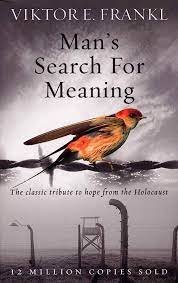
Man's Search for Meaning earns its place here because it is strong for meaning and responsibility. It is short, profound, and emotionally serious without wasting a page.
Who it's for
Readers who want perspective in a compact book.
Why you'll like it
You will like it if you want a book with a clear point of view rather than a title that is famous for vague reasons. It gives you enough story, evidence, or practical framing to remember the idea after you close the book.
Key lessons
- Meaning can be chosen.
- Responsibility gives life shape.
- Hope can survive hardship.
Pros
- Deep and concise.
- Worth rereading.
Cons
- Heavy material.
- Not casual reading.
My recommendation
The strongest short nonfiction pick here. If you are choosing between several books on this page, read a sample first and notice which voice makes you want to keep going. The best recommendation is the one you will actually finish and use.
2. The Great Gatsby by F. Scott Fitzgerald

The Great Gatsby earns its place here because it is strong for ambition and illusion. Its brevity makes every scene and sentence matter.
Who it's for
Readers wanting a short literary classic.
Why you'll like it
You will like it if you want a book with a clear point of view rather than a title that is famous for vague reasons. It gives you enough story, evidence, or practical framing to remember the idea after you close the book.
Key lessons
- Wealth cannot fix longing.
- The past seduces.
- Narrators shape truth.
Pros
- Beautiful prose.
- Very discussable.
Cons
- Emotionally cool.
- Often overassigned in school.
My recommendation
Read slowly despite the short length. If you are choosing between several books on this page, read a sample first and notice which voice makes you want to keep going. The best recommendation is the one you will actually finish and use.
3. Siddhartha by Hermann Hesse
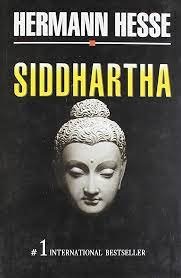
Siddhartha earns its place here because it is strong for spiritual searching. It follows a life of seeking in clear, graceful prose.
Who it's for
Readers wanting a reflective classic.
Why you'll like it
You will like it if you want a book with a clear point of view rather than a title that is famous for vague reasons. It gives you enough story, evidence, or practical framing to remember the idea after you close the book.
Key lessons
- Wisdom must be lived.
- Teachers cannot replace experience.
- Restlessness can become growth.
Pros
- Calm and memorable.
- Short but rich.
Cons
- Philosophical pace.
- Not plot-heavy.
My recommendation
Read it when you want a quiet reset. If you are choosing between several books on this page, read a sample first and notice which voice makes you want to keep going. The best recommendation is the one you will actually finish and use.
4. Animal Farm by George Orwell
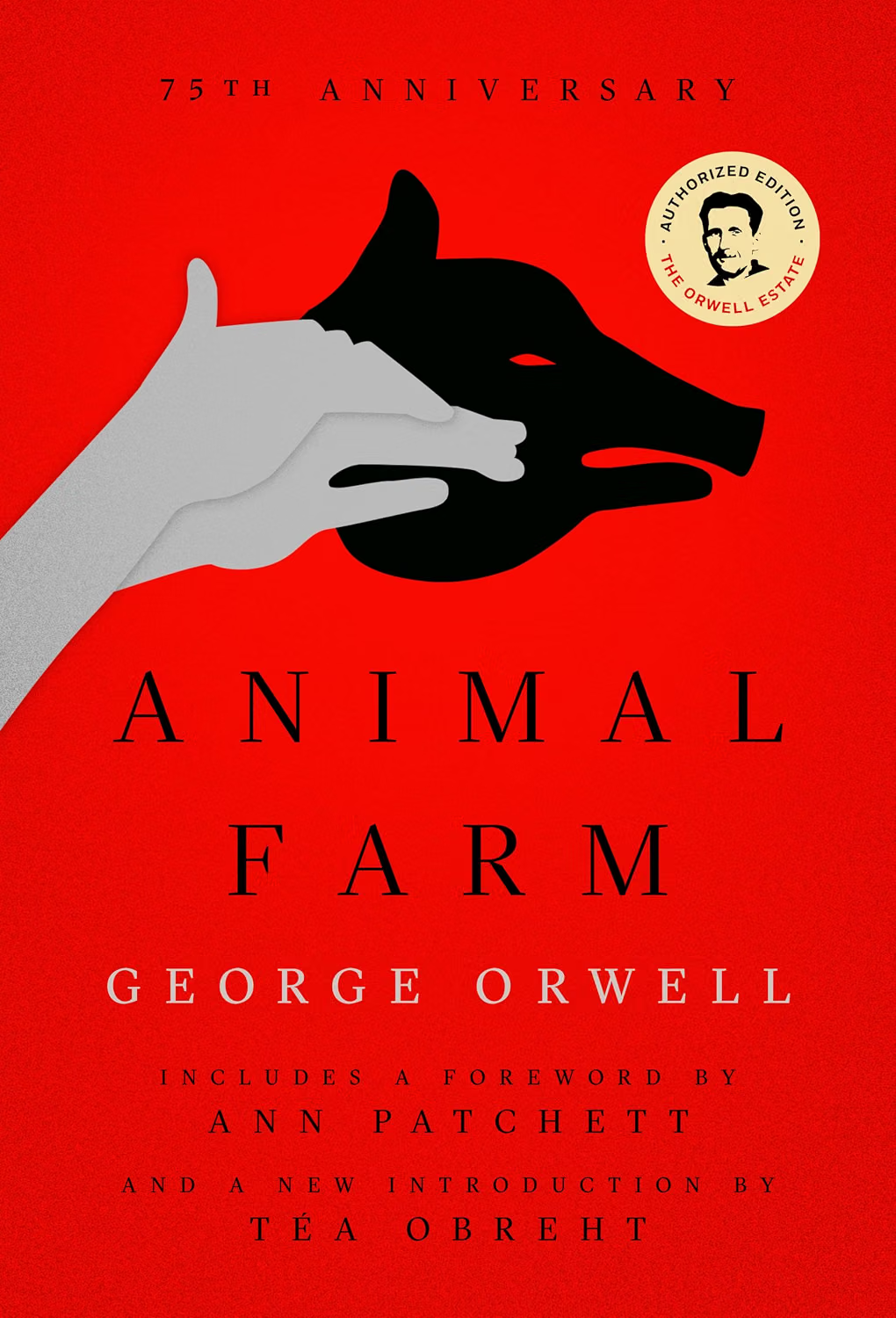
Animal Farm earns its place here because it is strong for power and betrayal. It proves a short allegory can carry lasting political force.
Who it's for
Readers wanting a fast classic with bite.
Why you'll like it
You will like it if you want a book with a clear point of view rather than a title that is famous for vague reasons. It gives you enough story, evidence, or practical framing to remember the idea after you close the book.
Key lessons
- Power rewrites rules.
- Language can manipulate.
- Revolutions can betray ideals.
Pros
- Brief and sharp.
- Easy to finish.
Cons
- Bleak ending.
- Context helps.
My recommendation
A smart choice for a one-evening classic. If you are choosing between several books on this page, read a sample first and notice which voice makes you want to keep going. The best recommendation is the one you will actually finish and use.
5. The Prophet by Kahlil Gibran
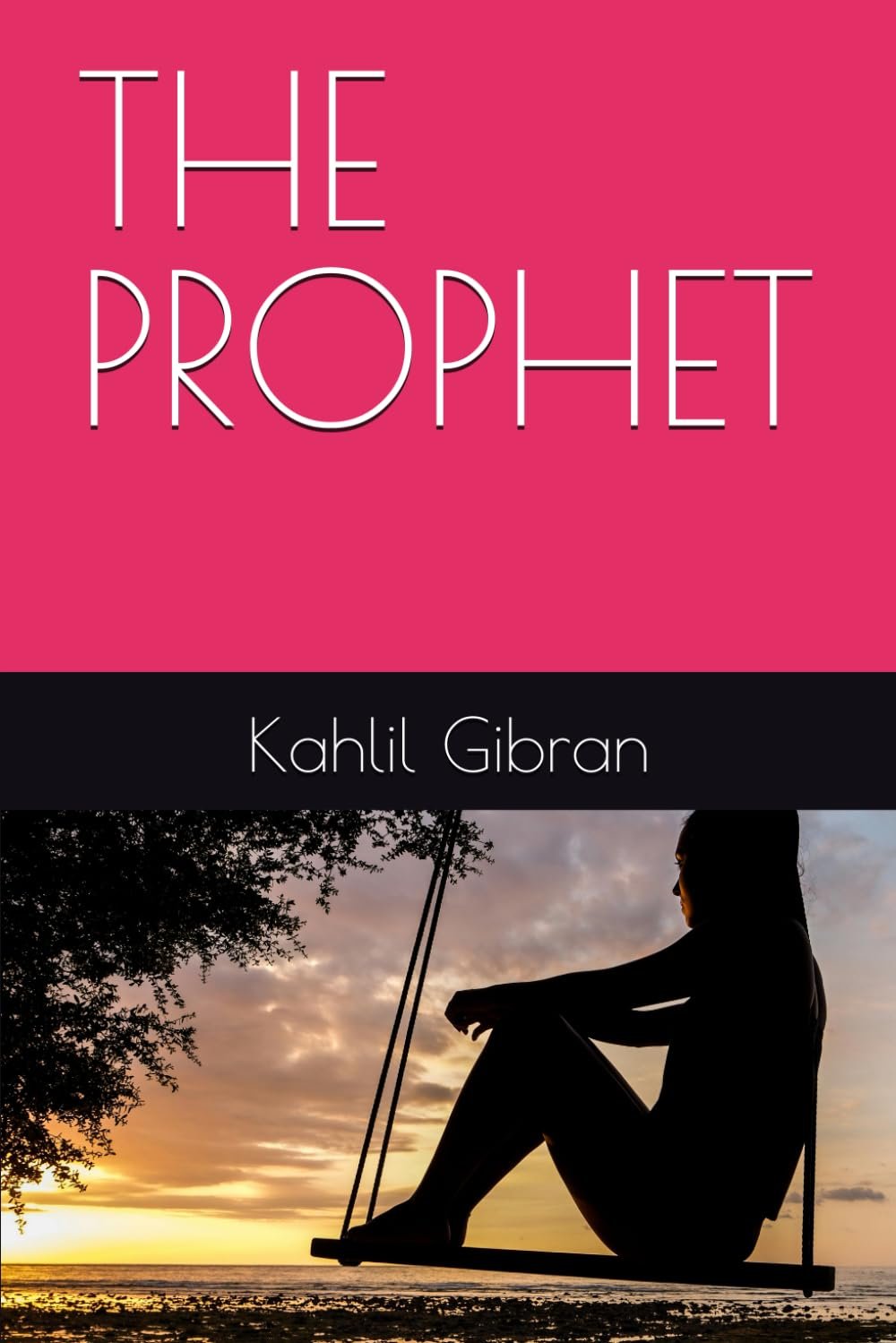
The Prophet earns its place here because it is strong for love, work, freedom, and sorrow. It is poetic, spiritual, and easy to dip into by theme.
Who it's for
Readers who like reflective passages.
Why you'll like it
You will like it if you want a book with a clear point of view rather than a title that is famous for vague reasons. It gives you enough story, evidence, or practical framing to remember the idea after you close the book.
Key lessons
- Life's ordinary parts deserve reverence.
- Love requires freedom.
- Sorrow and joy are connected.
Pros
- Beautiful and quotable.
- Good for slow reading.
Cons
- Not a conventional argument.
- Poetic style is not for everyone.
My recommendation
Read one section at a time. If you are choosing between several books on this page, read a sample first and notice which voice makes you want to keep going. The best recommendation is the one you will actually finish and use.
6. Of Mice and Men by John Steinbeck
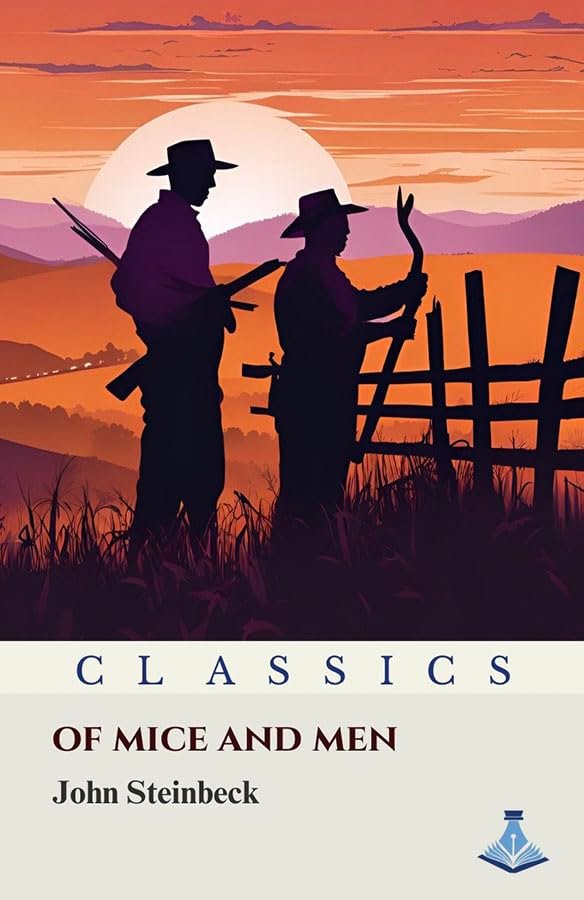
Of Mice and Men earns its place here because it is strong for friendship, dreams, and vulnerability. It is short, direct, and emotionally devastating.
Who it's for
Readers wanting accessible literary fiction.
Why you'll like it
You will like it if you want a book with a clear point of view rather than a title that is famous for vague reasons. It gives you enough story, evidence, or practical framing to remember the idea after you close the book.
Key lessons
- Dreams sustain people.
- Powerlessness shapes choices.
- Friendship can be protective.
Pros
- Strong story momentum.
- Good beginner classic.
Cons
- Painful ending.
- Some language is of its era.
My recommendation
Read it when you want a short book that lands hard. If you are choosing between several books on this page, read a sample first and notice which voice makes you want to keep going. The best recommendation is the one you will actually finish and use.
7. The Old Man and the Sea by Ernest Hemingway
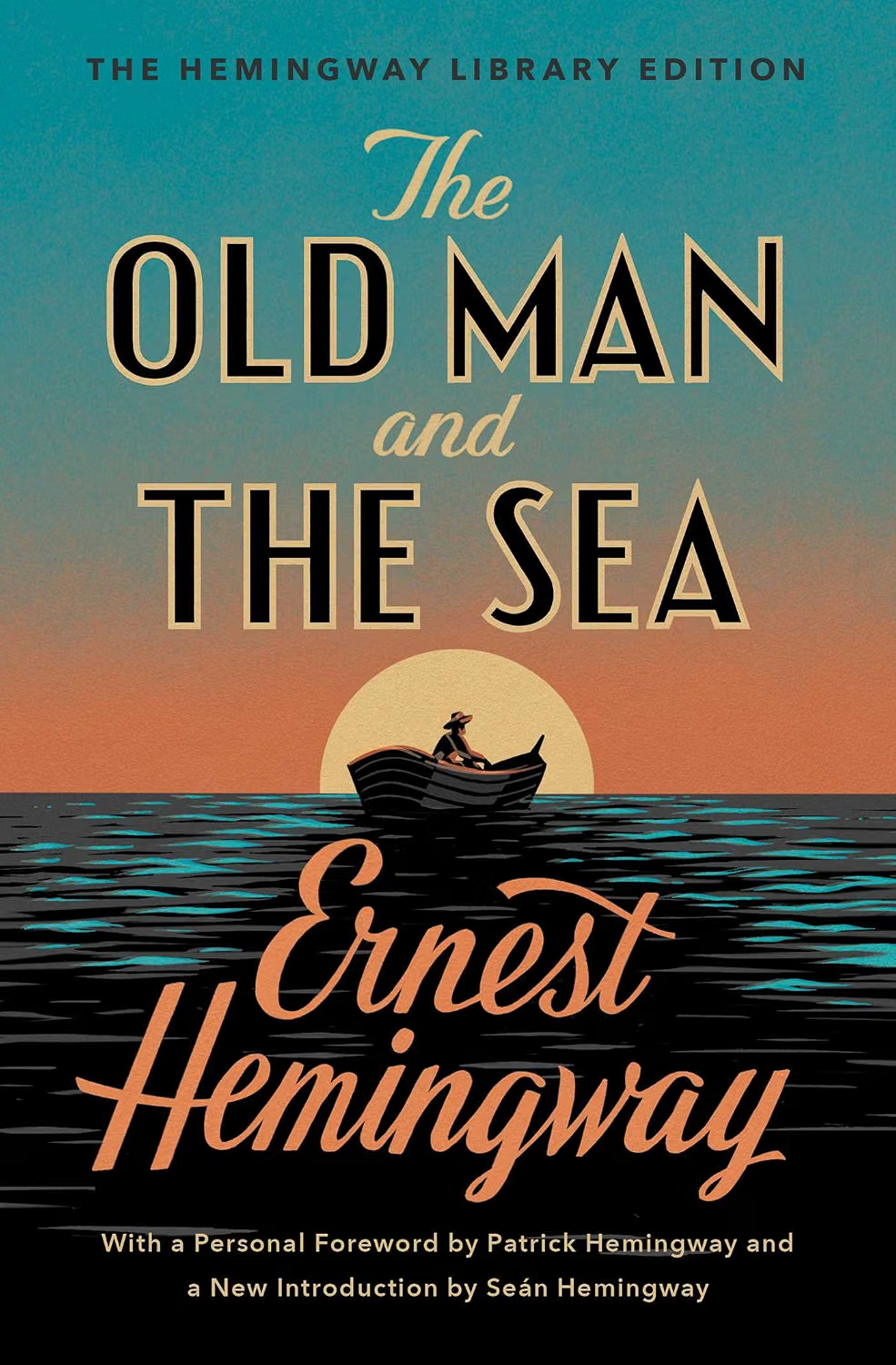
The Old Man and the Sea earns its place here because it is strong for endurance and dignity. Its simplicity makes it easy to finish and hard to dismiss.
Who it's for
Readers curious about minimalist style.
Why you'll like it
You will like it if you want a book with a clear point of view rather than a title that is famous for vague reasons. It gives you enough story, evidence, or practical framing to remember the idea after you close the book.
Key lessons
- Struggle can reveal character.
- Defeat and dignity can coexist.
- Pride has cost.
Pros
- Very focused.
- Classic style lesson.
Cons
- Quiet and sparse.
- Not for readers wanting twists.
My recommendation
Read it for discipline in prose. If you are choosing between several books on this page, read a sample first and notice which voice makes you want to keep going. The best recommendation is the one you will actually finish and use.
8. Jonathan Livingston Seagull by Richard Bach
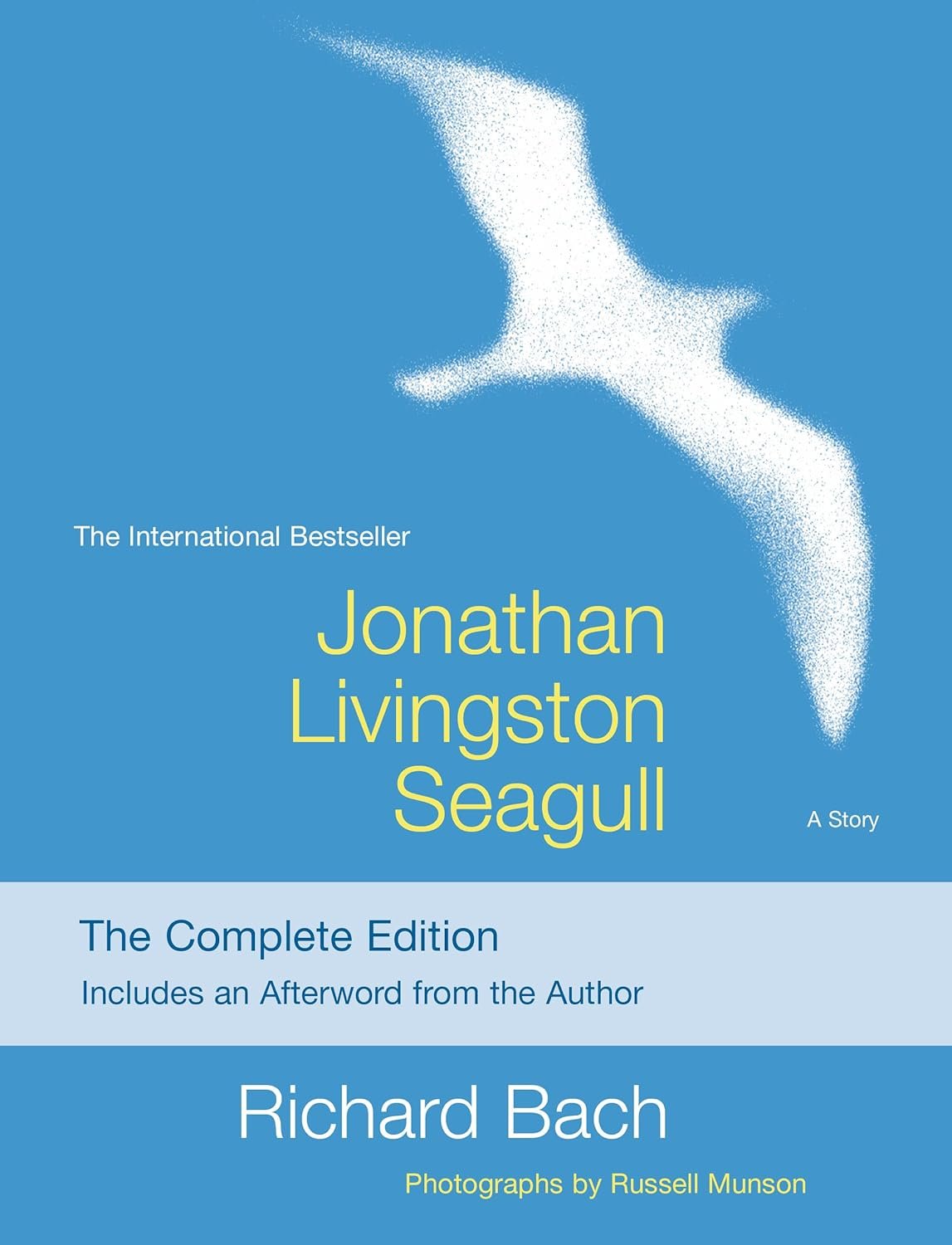
Jonathan Livingston Seagull earns its place here because it is strong for freedom, mastery, and self-belief. It is tiny, allegorical, and often meaningful to readers at transition points.
Who it's for
Readers wanting a quick inspirational story.
Why you'll like it
You will like it if you want a book with a clear point of view rather than a title that is famous for vague reasons. It gives you enough story, evidence, or practical framing to remember the idea after you close the book.
Key lessons
- Growth may make you different.
- Mastery requires practice.
- Freedom begins inwardly.
Pros
- Extremely short.
- Encouraging.
Cons
- Very simple.
- Allegorical style may feel dated.
My recommendation
Read it as a small spark, not a complete philosophy. If you are choosing between several books on this page, read a sample first and notice which voice makes you want to keep going. The best recommendation is the one you will actually finish and use.
9. The Stranger by Albert Camus
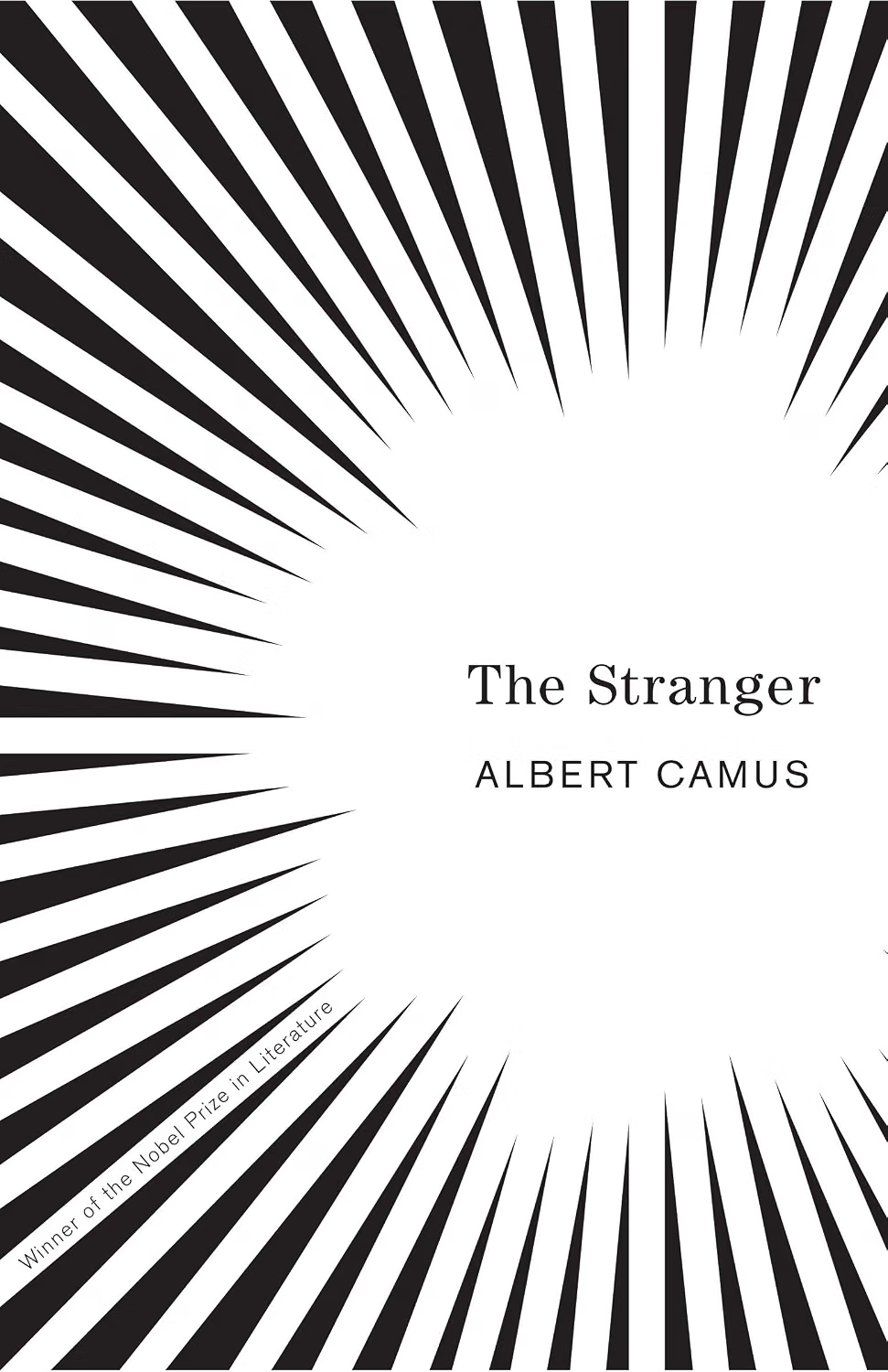
The Stranger earns its place here because it is strong for absurdity, alienation, and judgment. It is one of the most approachable doors into existential fiction.
Who it's for
Readers wanting a short, unsettling classic.
Why you'll like it
You will like it if you want a book with a clear point of view rather than a title that is famous for vague reasons. It gives you enough story, evidence, or practical framing to remember the idea after you close the book.
Key lessons
- Society judges emotion as well as action.
- Meaning can feel unstable.
- Alienation has consequences.
Pros
- Short and influential.
- Excellent for discussion.
Cons
- Emotionally cold.
- Philosophical context helps.
My recommendation
Read it when you want a book that leaves questions open. If you are choosing between several books on this page, read a sample first and notice which voice makes you want to keep going. The best recommendation is the one you will actually finish and use.
10. The Four Agreements by Don Miguel Ruiz
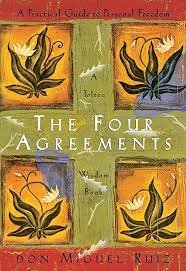
The Four Agreements earns its place here because it is strong for personal freedom and self-limiting beliefs. Its four-part structure is easy to remember and test in daily life.
Who it's for
Readers wanting practical spiritual self-help.
Why you'll like it
You will like it if you want a book with a clear point of view rather than a title that is famous for vague reasons. It gives you enough story, evidence, or practical framing to remember the idea after you close the book.
Key lessons
- Speak carefully.
- Do not take everything personally.
- Avoid assumptions.
- Do your best.
Pros
- Simple and memorable.
- Easy to apply.
Cons
- Broad claims.
- Spiritual framing may not fit everyone.
My recommendation
Use it as a practical reminder book. If you are choosing between several books on this page, read a sample first and notice which voice makes you want to keep going. The best recommendation is the one you will actually finish and use.
Which Book Should You Read Next?
Start with Man's Search for Meaning if you want depth. Pick The Great Gatsby if you want classic fiction, or The Psychology of Money if you want practical nonfiction. If two books are competing for your attention, choose the one that matches your current problem, not the one with the biggest reputation. Reading at the right moment is often what makes a book feel transformative.