10 Best Fiction Books of All Time to Read at Least Once
No honest reader can reduce all fiction to one perfect top ten. The world is too large, taste is too personal, and literature keeps changing us in different seasons. So this list is not pretending to be a final canon. It is a strong, readable shelf: books that have lasted, books that still speak, and books that give a new reader a real reason to begin.
This guide follows the Book Readers Hub standard: useful recommendations, honest limitations, quick picks for busy readers, and enough detail to help you choose the right next book without opening ten tabs.
Quick Picks
- Best overall classic: To Kill a Mockingbird
- Best short classic: The Great Gatsby
- Best fantasy gateway: The Hobbit
- Best literary challenge: Beloved
Comparison Table
| Book | Best For | Why It Stands Out |
|---|---|---|
| 1. To Kill a Mockingbird | Empathy, justice, and moral courage | Readers who want a classic that is readable and emotionally direct. |
| 2. Pride and Prejudice | Wit, romance, class, and self-knowledge | Readers who want a classic with humor and polish. |
| 3. 1984 | Power, surveillance, language, and truth | Readers interested in ideas-driven fiction. |
| 4. The Great Gatsby | Ambition, illusion, class, and longing | Readers who like compact literary fiction. |
| 5. Jane Eyre | Independence, conscience, love, and identity | Readers who want a richer, moodier classic. |
| 6. Frankenstein | Creation, responsibility, loneliness, and ambition | Readers who enjoy short classics with big ideas. |
| 7. Crime and Punishment | Guilt, pride, morality, and redemption | Readers ready for a demanding classic. |
| 8. The Book Thief | Storytelling, death, childhood, and war | Readers who want a moving modern classic. |
| 9. The Hobbit | Adventure, courage, comfort, and wonder | Beginners to fantasy and readers who want adventure. |
| 10. Beloved | Memory, motherhood, trauma, and freedom | Experienced readers ready for intensity. |
How I Chose These Books
I looked for books that have a durable reason to be recommended: a useful framework, a memorable story, a strong reputation among readers, or a perspective that adds something new to the topic. I avoided filling the list with near-duplicates, because ten books that say the same thing do not help you choose.
I also considered readability. These articles are meant for real readers, including mobile readers, so each recommendation explains who the book is for, why it works, and where it may not be the best fit. A good book list should save you time, not just create a longer wishlist.
1. To Kill a Mockingbird by Harper Lee
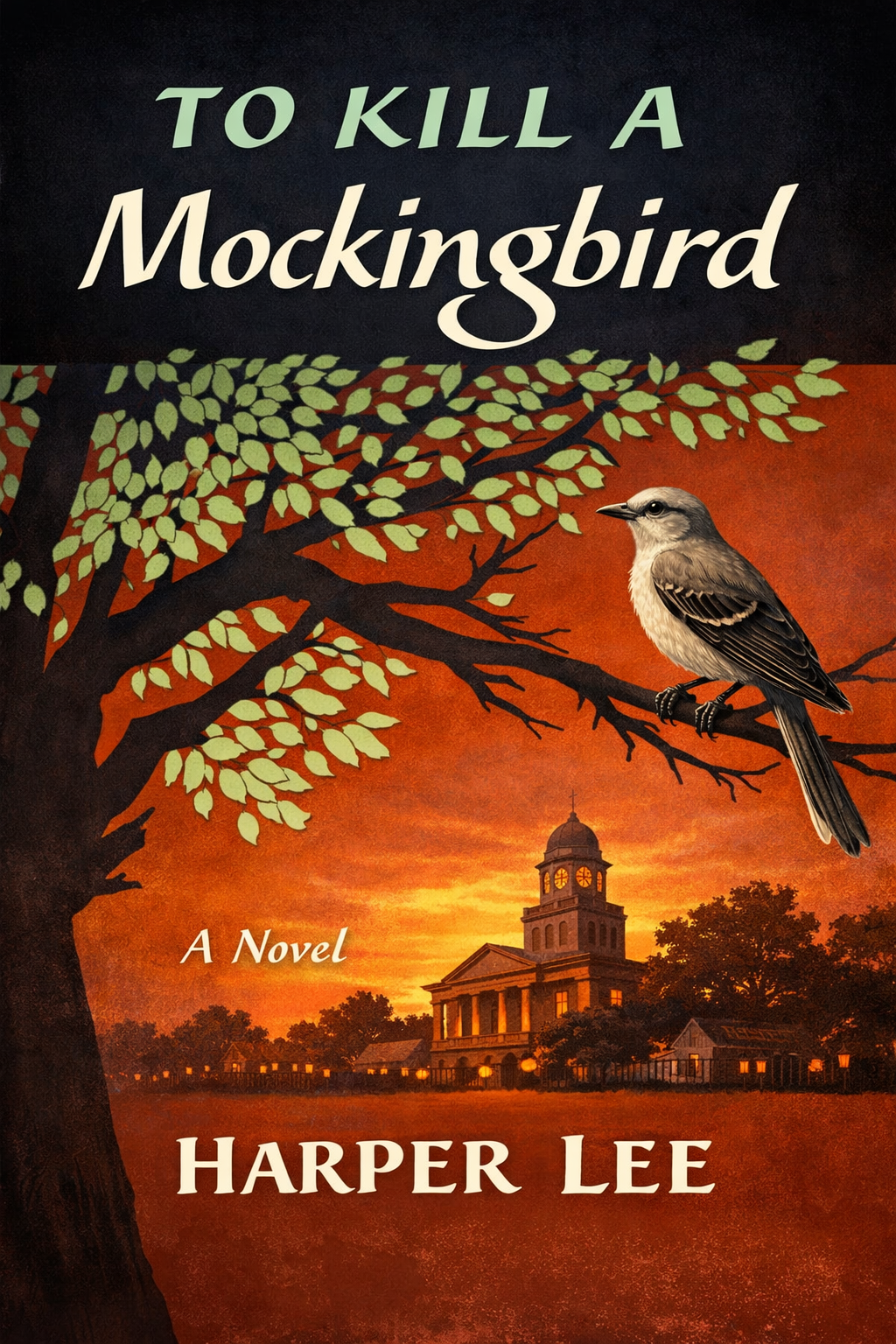
To Kill a Mockingbird earns its place here because it is strong for empathy, justice, and moral courage. Its voice remains accessible while its questions stay morally serious.
Who it's for
Readers who want a classic that is readable and emotionally direct.
Why you'll like it
You will like it if you want a book with a clear point of view rather than a title that is famous for vague reasons. It gives you enough story, evidence, or practical framing to remember the idea after you close the book.
Key lessons
- Empathy requires imagination.
- Injustice can live inside ordinary life.
- Childhood perspective can reveal adult failure.
Pros
- Powerful and approachable.
- Excellent first classic.
Cons
- Its viewpoint has been debated.
- Some language reflects its era.
My recommendation
Start here if you want one classic novel that still feels alive. If you are choosing between several books on this page, read a sample first and notice which voice makes you want to keep going. The best recommendation is the one you will actually finish and use.
2. Pride and Prejudice by Jane Austen
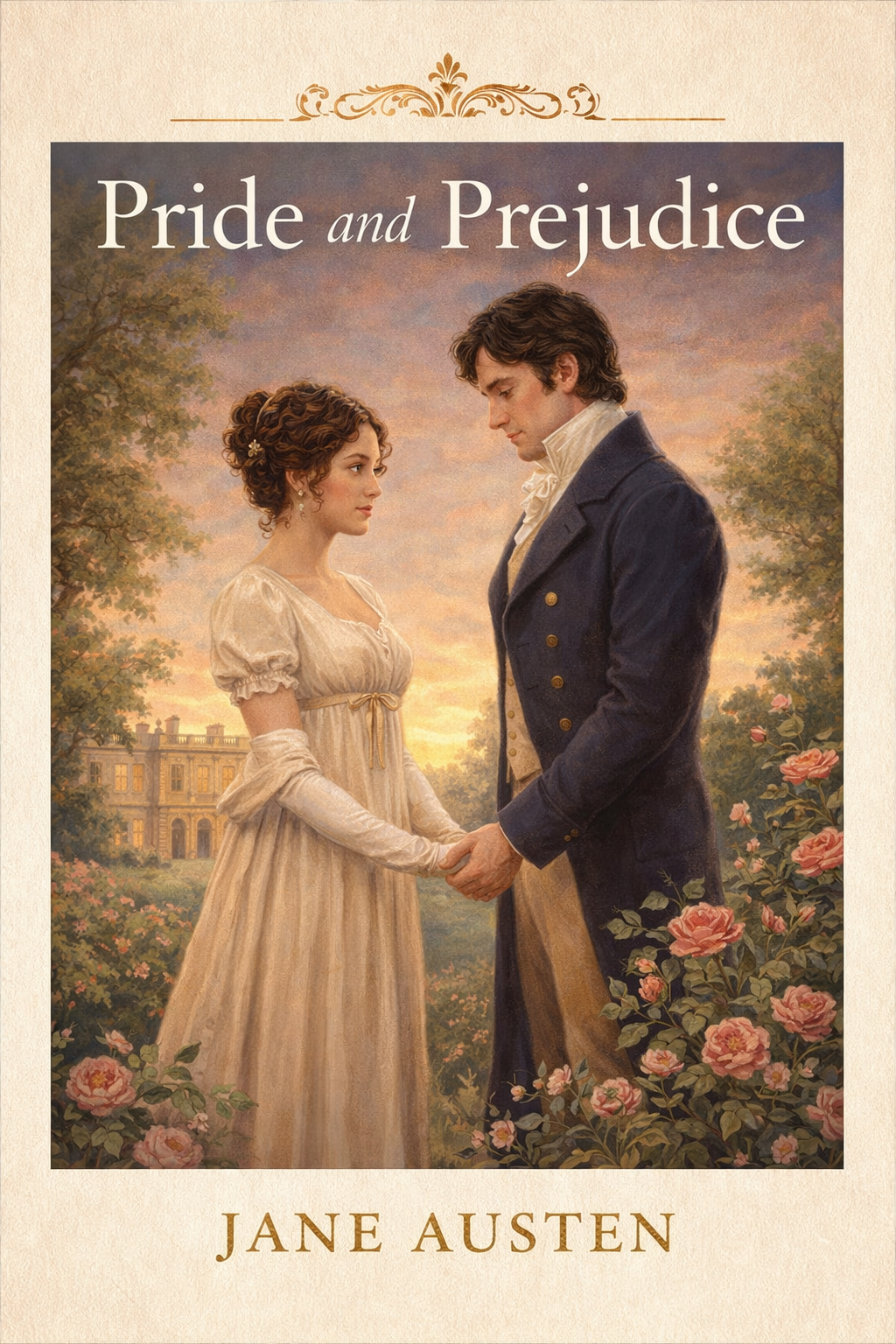
Pride and Prejudice earns its place here because it is strong for wit, romance, class, and self-knowledge. Austen makes social observation feel sharp, funny, and emotionally satisfying.
Who it's for
Readers who want a classic with humor and polish.
Why you'll like it
You will like it if you want a book with a clear point of view rather than a title that is famous for vague reasons. It gives you enough story, evidence, or practical framing to remember the idea after you close the book.
Key lessons
- First impressions mislead.
- Character matters more than display.
- Social pressure shapes choices.
Pros
- Elegant and entertaining.
- Rewarding reread.
Cons
- The opening pace may feel quiet.
- Some readers need time with the style.
My recommendation
Read it when you want a classic that smiles while it cuts. If you are choosing between several books on this page, read a sample first and notice which voice makes you want to keep going. The best recommendation is the one you will actually finish and use.
3. 1984 by George Orwell
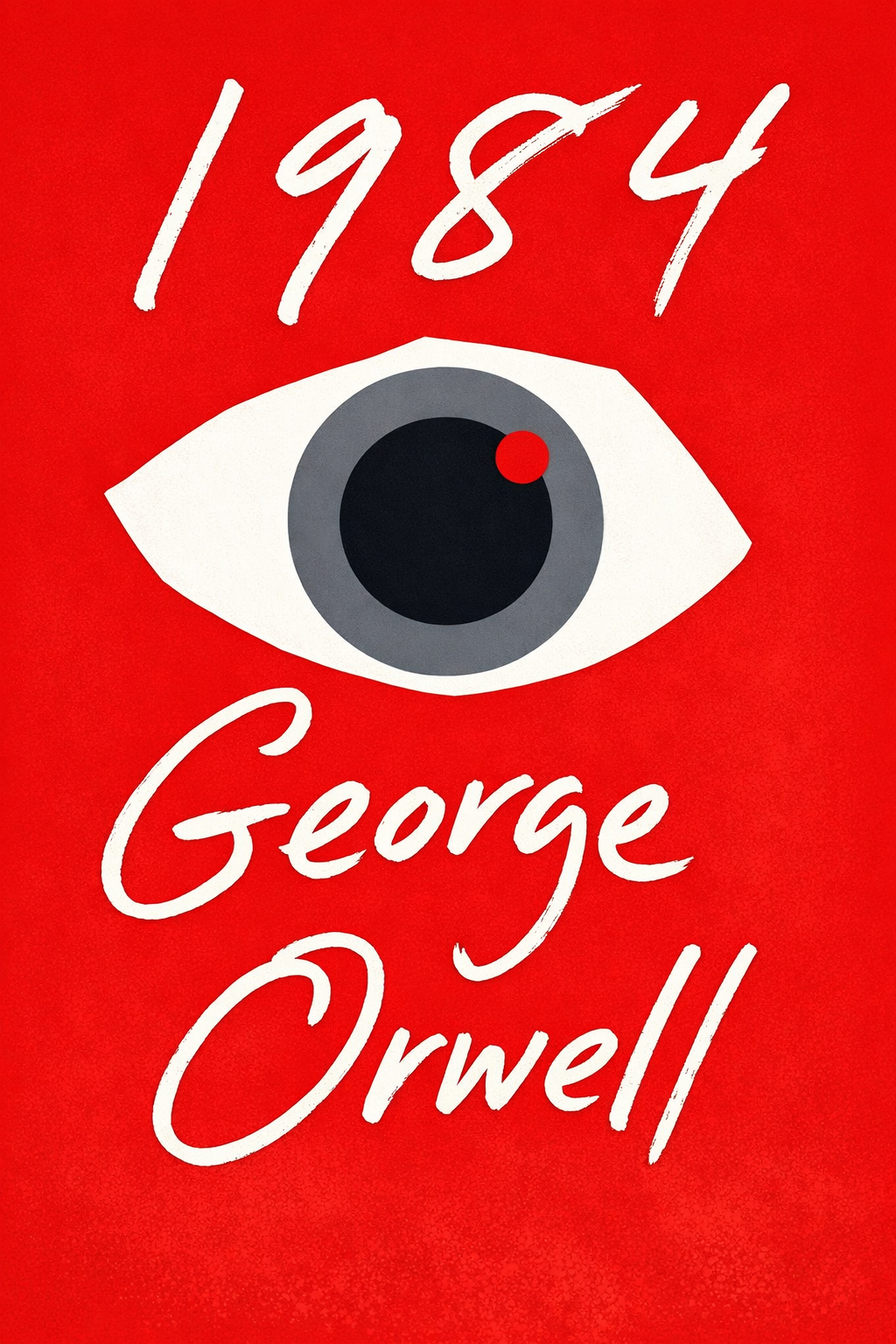
1984 earns its place here because it is strong for power, surveillance, language, and truth. It remains a cultural reference point because it makes political control feel intimate and terrifying.
Who it's for
Readers interested in ideas-driven fiction.
Why you'll like it
You will like it if you want a book with a clear point of view rather than a title that is famous for vague reasons. It gives you enough story, evidence, or practical framing to remember the idea after you close the book.
Key lessons
- Language shapes thought.
- Fear can rewrite loyalty.
- Private truth matters.
Pros
- Urgent and memorable.
- Short enough for many readers.
Cons
- Bleak and heavy.
- More idea-driven than character-rich.
My recommendation
Read it when you want fiction that sharpens your civic instincts. If you are choosing between several books on this page, read a sample first and notice which voice makes you want to keep going. The best recommendation is the one you will actually finish and use.
4. The Great Gatsby by F. Scott Fitzgerald
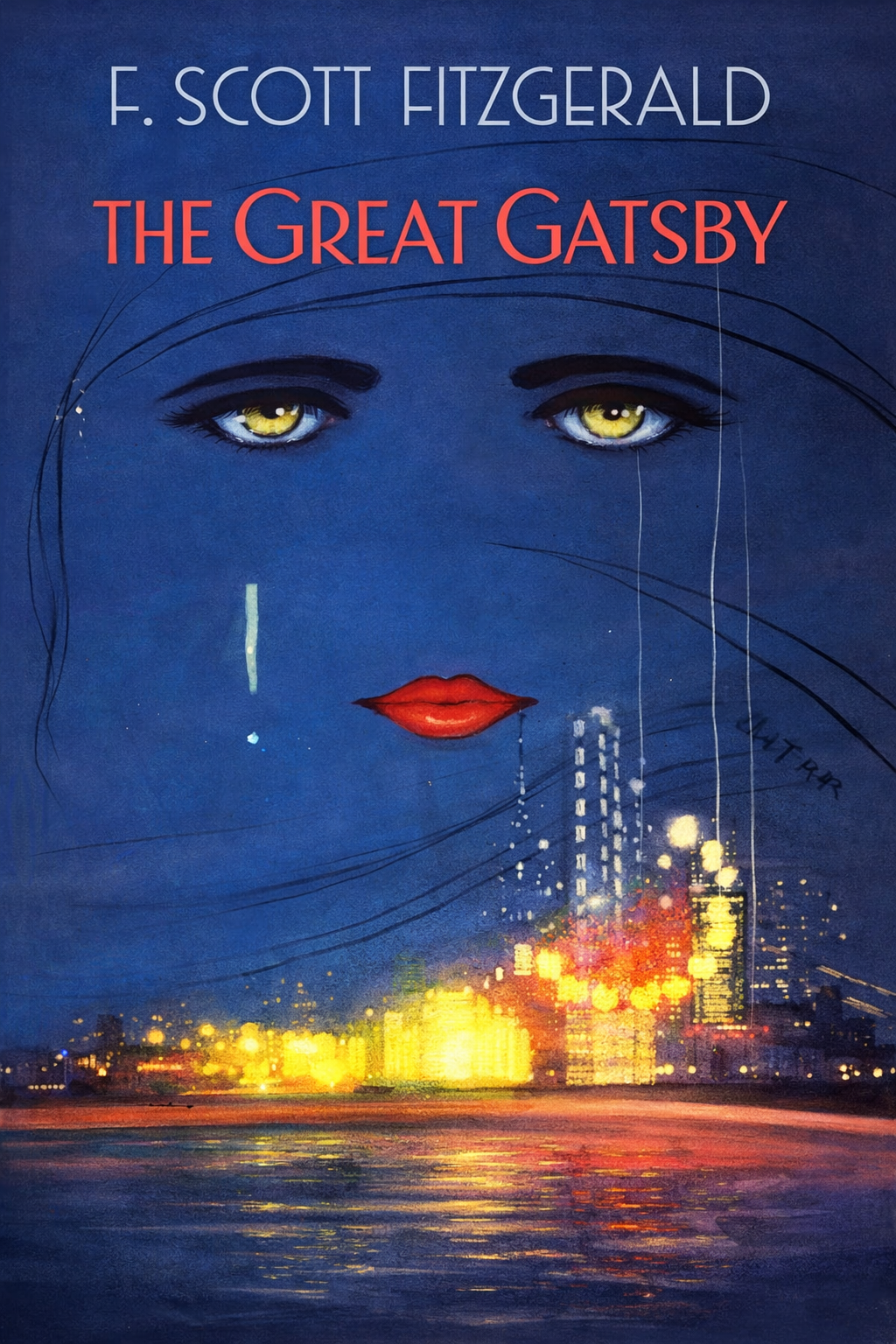
The Great Gatsby earns its place here because it is strong for ambition, illusion, class, and longing. Its beauty is in how much it suggests with so few pages.
Who it's for
Readers who like compact literary fiction.
Why you'll like it
You will like it if you want a book with a clear point of view rather than a title that is famous for vague reasons. It gives you enough story, evidence, or practical framing to remember the idea after you close the book.
Key lessons
- Desire can become performance.
- Wealth does not erase emptiness.
- Nostalgia can distort reality.
Pros
- Short and beautifully written.
- Excellent for discussion.
Cons
- Emotionally distant for some readers.
- Symbols can feel over-taught.
My recommendation
Read it slowly; the sentences are the real luxury. If you are choosing between several books on this page, read a sample first and notice which voice makes you want to keep going. The best recommendation is the one you will actually finish and use.
5. Jane Eyre by Charlotte Bronte
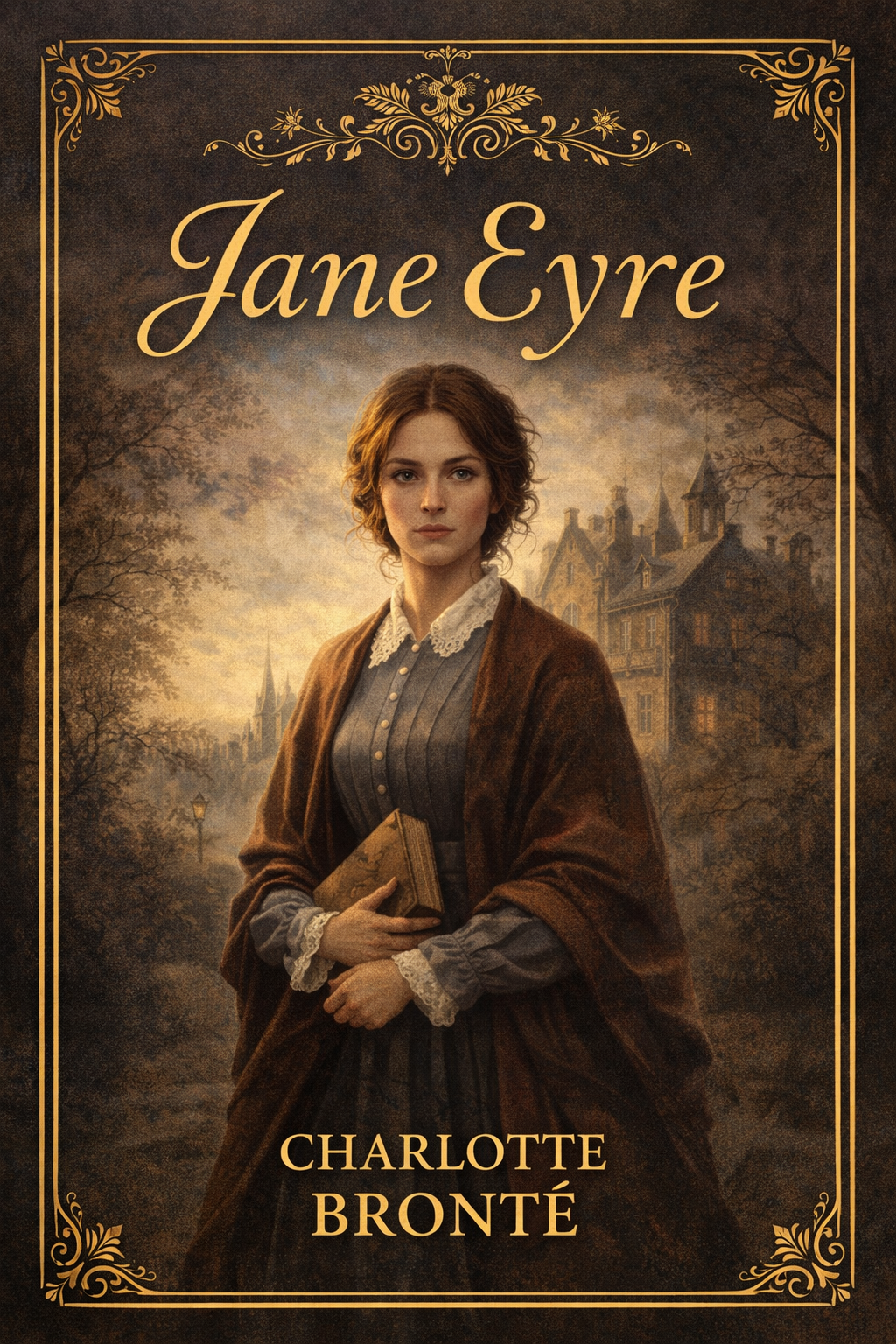
Jane Eyre earns its place here because it is strong for independence, conscience, love, and identity. It gives readers a heroine whose moral spine matters as much as the romance.
Who it's for
Readers who want a richer, moodier classic.
Why you'll like it
You will like it if you want a book with a clear point of view rather than a title that is famous for vague reasons. It gives you enough story, evidence, or practical framing to remember the idea after you close the book.
Key lessons
- Self-respect is not selfishness.
- Love without equality is dangerous.
- Conscience can cost comfort.
Pros
- Emotionally strong.
- Memorable narrator.
Cons
- Longer than beginner classics.
- Gothic turns may surprise readers.
My recommendation
Read it when you want a classic with both heart and steel. If you are choosing between several books on this page, read a sample first and notice which voice makes you want to keep going. The best recommendation is the one you will actually finish and use.
6. Frankenstein by Mary Shelley
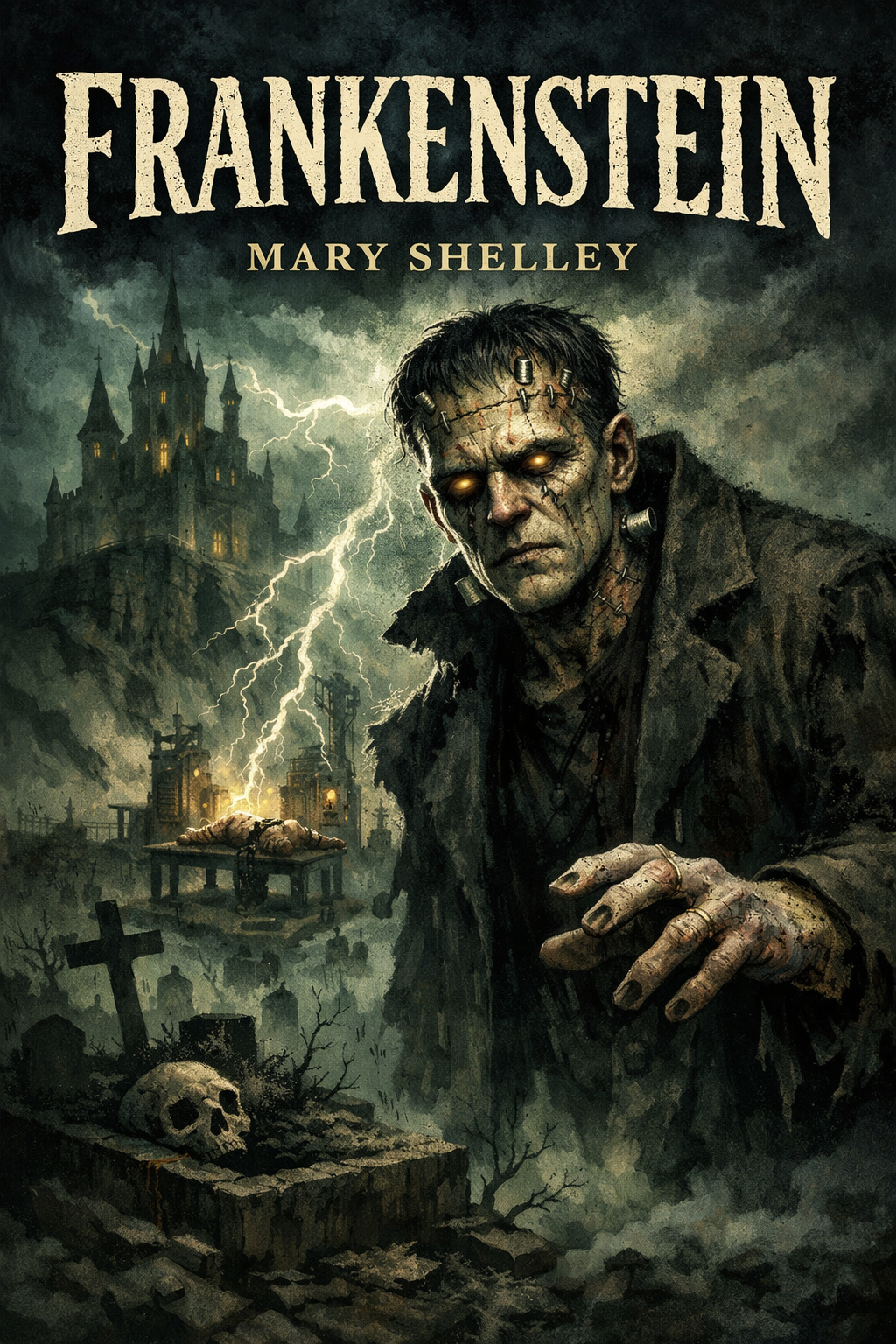
Frankenstein earns its place here because it is strong for creation, responsibility, loneliness, and ambition. It is far more philosophical and moving than many people expect from the famous premise.
Who it's for
Readers who enjoy short classics with big ideas.
Why you'll like it
You will like it if you want a book with a clear point of view rather than a title that is famous for vague reasons. It gives you enough story, evidence, or practical framing to remember the idea after you close the book.
Key lessons
- Creation carries responsibility.
- Rejection can deform the soul.
- Ambition needs ethics.
Pros
- Influential and readable.
- Great for science-fiction roots.
Cons
- Frame narrative can feel slow.
- Not like modern horror.
My recommendation
Read it for the questions, not the monster image. If you are choosing between several books on this page, read a sample first and notice which voice makes you want to keep going. The best recommendation is the one you will actually finish and use.
7. Crime and Punishment by Fyodor Dostoevsky
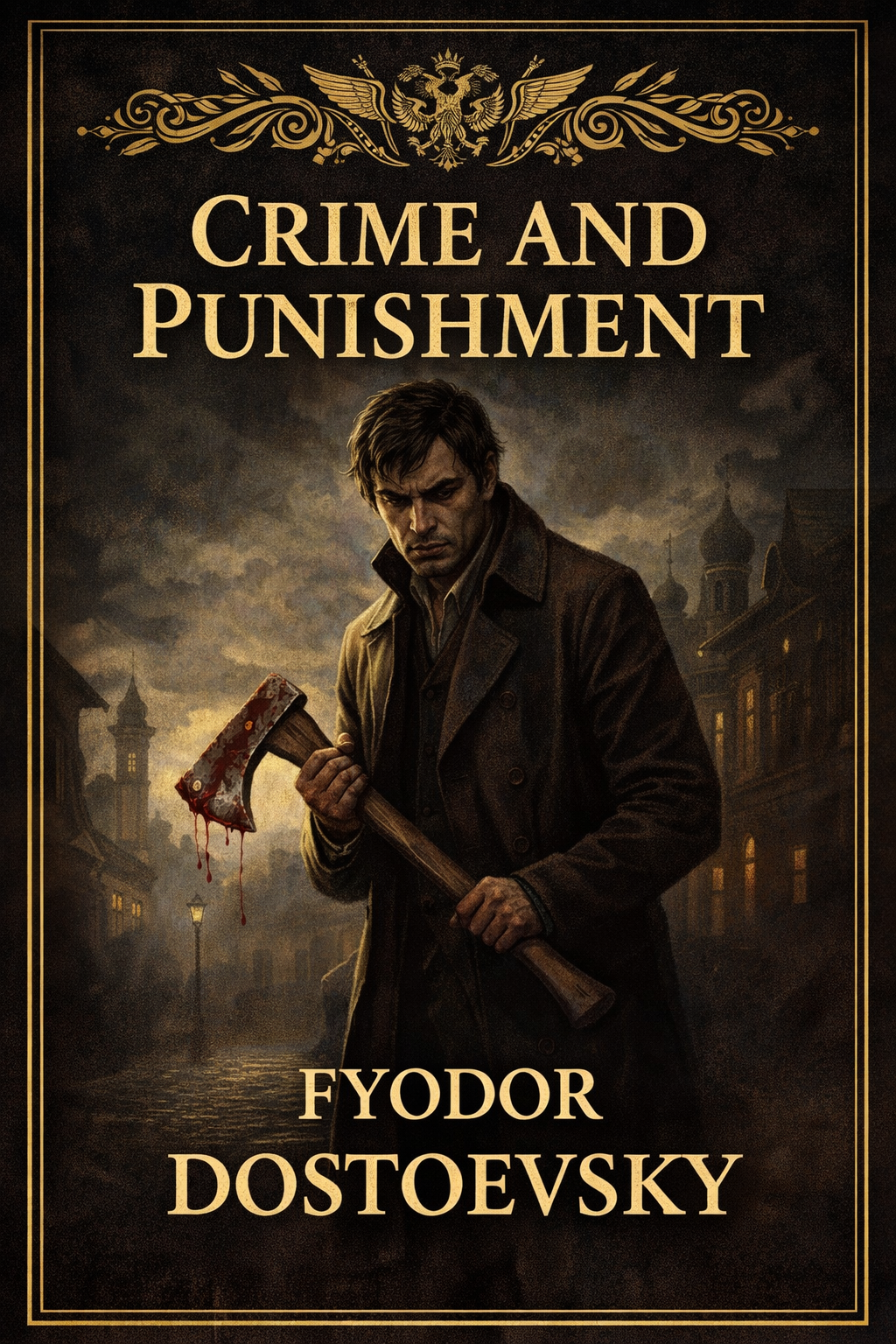
Crime and Punishment earns its place here because it is strong for guilt, pride, morality, and redemption. It turns a psychological crisis into a gripping moral novel.
Who it's for
Readers ready for a demanding classic.
Why you'll like it
You will like it if you want a book with a clear point of view rather than a title that is famous for vague reasons. It gives you enough story, evidence, or practical framing to remember the idea after you close the book.
Key lessons
- Ideas have consequences.
- Pride isolates.
- Confession can begin healing.
Pros
- Deep and unforgettable.
- Psychologically intense.
Cons
- Long and heavy.
- Names can challenge new readers.
My recommendation
Read it when you want fiction that wrestles with the soul. If you are choosing between several books on this page, read a sample first and notice which voice makes you want to keep going. The best recommendation is the one you will actually finish and use.
8. The Book Thief by Markus Zusak
The Book Thief earns its place here because it is strong for storytelling, death, childhood, and war. It is emotionally accessible while still dealing with enormous historical grief.
Who it's for
Readers who want a moving modern classic.
Why you'll like it
You will like it if you want a book with a clear point of view rather than a title that is famous for vague reasons. It gives you enough story, evidence, or practical framing to remember the idea after you close the book.
Key lessons
- Stories preserve humanity.
- Small acts of care matter.
- War reaches ordinary homes.
Pros
- Beautiful and readable.
- Good crossover choice.
Cons
- Narrative style is unusual.
- Emotionally heavy.
My recommendation
Read it if you want a book that is popular for good reason. If you are choosing between several books on this page, read a sample first and notice which voice makes you want to keep going. The best recommendation is the one you will actually finish and use.
9. The Hobbit by J.R.R. Tolkien
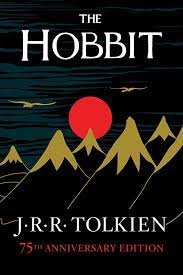
The Hobbit earns its place here because it is strong for adventure, courage, comfort, and wonder. It remains one of the best gateways into fantasy because it is warm, clear, and mythic without being overwhelming.
Who it's for
Beginners to fantasy and readers who want adventure.
Why you'll like it
You will like it if you want a book with a clear point of view rather than a title that is famous for vague reasons. It gives you enough story, evidence, or practical framing to remember the idea after you close the book.
Key lessons
- Courage can be quiet.
- Home matters more after adventure.
- Small people can change large stories.
Pros
- Charming and accessible.
- Wonderful world-building.
Cons
- More episodic than modern fantasy.
- Tone is lighter than The Lord of the Rings.
My recommendation
Read it when you want wonder without homework. If you are choosing between several books on this page, read a sample first and notice which voice makes you want to keep going. The best recommendation is the one you will actually finish and use.
10. Beloved by Toni Morrison
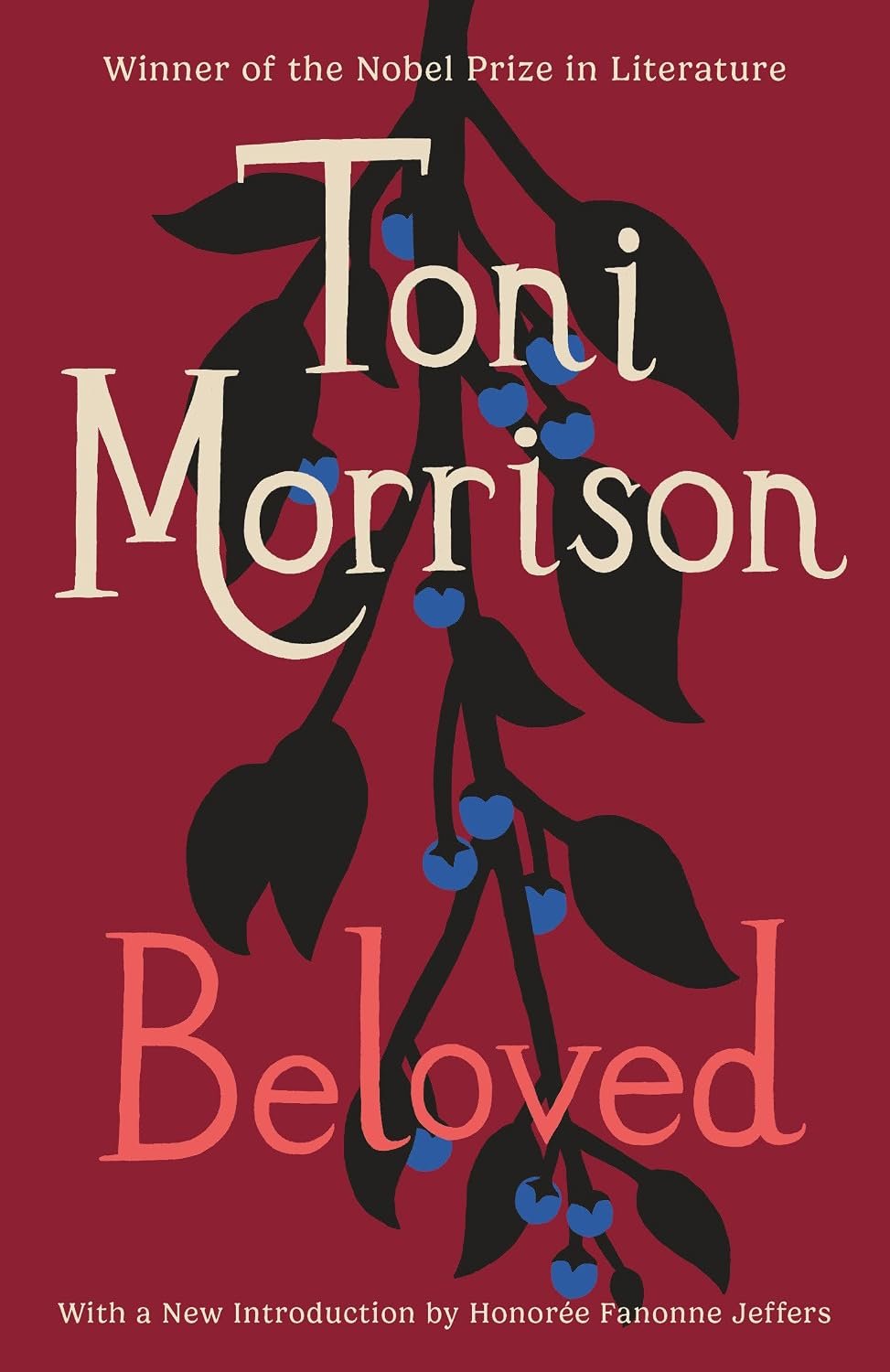
Beloved earns its place here because it is strong for memory, motherhood, trauma, and freedom. It is one of the most powerful literary novels ever written, with language that demands attention.
Who it's for
Experienced readers ready for intensity.
Why you'll like it
You will like it if you want a book with a clear point of view rather than a title that is famous for vague reasons. It gives you enough story, evidence, or practical framing to remember the idea after you close the book.
Key lessons
- History lives in bodies and homes.
- Love can be wounded by terror.
- Memory must be faced.
Pros
- Profound and beautifully written.
- Essential literary fiction.
Cons
- Difficult subject matter.
- Nonlinear structure requires patience.
My recommendation
Read it slowly and give it the attention it deserves. If you are choosing between several books on this page, read a sample first and notice which voice makes you want to keep going. The best recommendation is the one you will actually finish and use.
Which Book Should You Read Next?
Start with To Kill a Mockingbird if you want the most accessible classic. Choose The Hobbit if you want comfort and adventure, or Beloved if you want the most demanding literary experience here. If two books are competing for your attention, choose the one that matches your current problem, not the one with the biggest reputation. Reading at the right moment is often what makes a book feel transformative.