10 Best Nonfiction Books of All Time for Curious Readers
Great nonfiction changes the size of your world. Sometimes it gives you facts. Sometimes it gives you language for something you already felt. Sometimes it quietly changes the way you make decisions. This list is built for readers who want substance without a dry academic shelf.
This guide follows the Book Readers Hub standard: useful recommendations, honest limitations, quick picks for busy readers, and enough detail to help you choose the right next book without opening ten tabs.
Quick Picks
- Best overall: Man's Search for Meaning
- Best for big-picture history: Sapiens
- Best for psychology: Thinking, Fast and Slow
- Best beginner pick: The Psychology of Money
Comparison Table
| Book | Best For | Why It Stands Out |
|---|---|---|
| 1. Sapiens | Human history through big-picture ideas | Curious readers who like broad explanations. |
| 2. Man's Search for Meaning | Meaning, suffering, and responsibility | Readers seeking perspective during a hard season. |
| 3. Thinking, Fast and Slow | Judgment, bias, and decision-making | Readers who want a serious psychology classic. |
| 4. The Psychology of Money | Behavior, risk, wealth, and patience | Readers who want better money judgment. |
| 5. Educated | Family, education, memory, and self-invention | Readers who love memoirs with emotional force. |
| 6. Factfulness | Clearer thinking about the world | Readers overwhelmed by bad news. |
| 7. Outliers | Success, context, timing, and opportunity | Beginners to narrative nonfiction. |
| 8. Why We Sleep | Sleep, health, memory, and performance | Readers trying to improve health and energy. |
| 9. A Short History of Nearly Everything | Science told with wit and wonder | Readers who want science without feeling intimidated. |
| 10. The Diary of a Young Girl | Youth, fear, hope, and historical witness | Readers ready for a human document rather than a conventional narrative. |
How I Chose These Books
I looked for books that have a durable reason to be recommended: a useful framework, a memorable story, a strong reputation among readers, or a perspective that adds something new to the topic. I avoided filling the list with near-duplicates, because ten books that say the same thing do not help you choose.
I also considered readability. These articles are meant for real readers, including mobile readers, so each recommendation explains who the book is for, why it works, and where it may not be the best fit. A good book list should save you time, not just create a longer wishlist.
1. Sapiens by Yuval Noah Harari
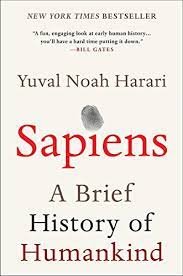
Sapiens earns its place here because it is strong for human history through big-picture ideas. It gives readers a sweeping way to think about culture, cooperation, money, and belief.
Who it's for
Curious readers who like broad explanations.
Why you'll like it
You will like it if you want a book with a clear point of view rather than a title that is famous for vague reasons. It gives you enough story, evidence, or practical framing to remember the idea after you close the book.
Key lessons
- Shared stories organize societies.
- History changes what feels natural.
- Progress is complicated.
Pros
- Highly readable.
- Great conversation starter.
Cons
- Some arguments are broad.
- Specialists may disagree with parts.
My recommendation
Read it as a big map, then question the map. If you are choosing between several books on this page, read a sample first and notice which voice makes you want to keep going. The best recommendation is the one you will actually finish and use.
2. Man's Search for Meaning by Viktor E. Frankl
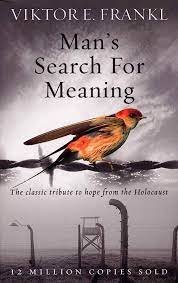
Man's Search for Meaning earns its place here because it is strong for meaning, suffering, and responsibility. It is short, serious, and resistant to empty comfort.
Who it's for
Readers seeking perspective during a hard season.
Why you'll like it
You will like it if you want a book with a clear point of view rather than a title that is famous for vague reasons. It gives you enough story, evidence, or practical framing to remember the idea after you close the book.
Key lessons
- Meaning can survive suffering.
- Response matters.
- Responsibility gives direction.
Pros
- Profound and concise.
- Deeply humane.
Cons
- Emotionally difficult.
- Not light reading.
My recommendation
Read it when you want strength without slogans. If you are choosing between several books on this page, read a sample first and notice which voice makes you want to keep going. The best recommendation is the one you will actually finish and use.
3. Thinking, Fast and Slow by Daniel Kahneman
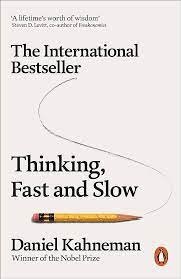
Thinking, Fast and Slow earns its place here because it is strong for judgment, bias, and decision-making. It changes how you notice your own mind at work.
Who it's for
Readers who want a serious psychology classic.
Why you'll like it
You will like it if you want a book with a clear point of view rather than a title that is famous for vague reasons. It gives you enough story, evidence, or practical framing to remember the idea after you close the book.
Key lessons
- Intuition is useful but flawed.
- Bias is predictable.
- Slow thinking has a cost.
Pros
- Foundational and rich.
- Useful across life and work.
Cons
- Dense.
- Best read slowly.
My recommendation
Read it in sections; this is not a race. If you are choosing between several books on this page, read a sample first and notice which voice makes you want to keep going. The best recommendation is the one you will actually finish and use.
4. The Psychology of Money by Morgan Housel
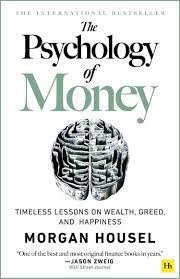
The Psychology of Money earns its place here because it is strong for behavior, risk, wealth, and patience. It makes personal finance feel more human and less like a math contest.
Who it's for
Readers who want better money judgment.
Why you'll like it
You will like it if you want a book with a clear point of view rather than a title that is famous for vague reasons. It gives you enough story, evidence, or practical framing to remember the idea after you close the book.
Key lessons
- Behavior beats cleverness.
- Enough is powerful.
- Luck and risk are real.
Pros
- Clear and memorable.
- Excellent beginner finance book.
Cons
- Not a step-by-step investing manual.
- Stories repeat themes.
My recommendation
Read it before chasing complex financial advice. If you are choosing between several books on this page, read a sample first and notice which voice makes you want to keep going. The best recommendation is the one you will actually finish and use.
5. Educated by Tara Westover
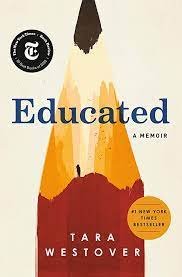
Educated earns its place here because it is strong for family, education, memory, and self-invention. It is a gripping memoir about leaving one world and learning how to name it.
Who it's for
Readers who love memoirs with emotional force.
Why you'll like it
You will like it if you want a book with a clear point of view rather than a title that is famous for vague reasons. It gives you enough story, evidence, or practical framing to remember the idea after you close the book.
Key lessons
- Education can change identity.
- Memory is contested.
- Belonging can be costly.
Pros
- Compelling and beautifully paced.
- Strong book-club choice.
Cons
- Painful family material.
- Not a light memoir.
My recommendation
Read it when you want nonfiction that moves like a novel. If you are choosing between several books on this page, read a sample first and notice which voice makes you want to keep going. The best recommendation is the one you will actually finish and use.
6. Factfulness by Hans Rosling
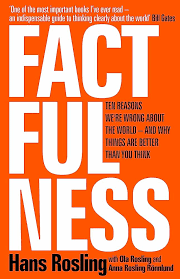
Factfulness earns its place here because it is strong for clearer thinking about the world. It corrects pessimism and panic with data, humility, and practical mental habits.
Who it's for
Readers overwhelmed by bad news.
Why you'll like it
You will like it if you want a book with a clear point of view rather than a title that is famous for vague reasons. It gives you enough story, evidence, or practical framing to remember the idea after you close the book.
Key lessons
- The world is not as simple as headlines.
- Data needs context.
- Progress and suffering can coexist.
Pros
- Optimistic without being silly.
- Very accessible.
Cons
- Some optimism may feel too broad.
- Charts require attention.
My recommendation
Read it when your view of the world needs oxygen. If you are choosing between several books on this page, read a sample first and notice which voice makes you want to keep going. The best recommendation is the one you will actually finish and use.
7. Outliers by Malcolm Gladwell
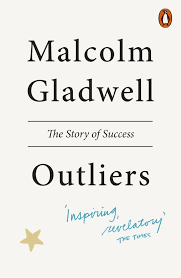
Outliers earns its place here because it is strong for success, context, timing, and opportunity. It is a highly readable reminder that achievement is never only individual effort.
Who it's for
Beginners to narrative nonfiction.
Why you'll like it
You will like it if you want a book with a clear point of view rather than a title that is famous for vague reasons. It gives you enough story, evidence, or practical framing to remember the idea after you close the book.
Key lessons
- Context shapes success.
- Practice matters.
- Opportunity is unevenly distributed.
Pros
- Engaging and easy to read.
- Great gateway nonfiction.
Cons
- Some claims are debated.
- More narrative than rigorous.
My recommendation
Read it for curiosity, then keep a critical mind. If you are choosing between several books on this page, read a sample first and notice which voice makes you want to keep going. The best recommendation is the one you will actually finish and use.
8. Why We Sleep by Matthew Walker
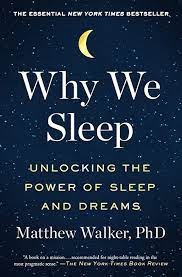
Why We Sleep earns its place here because it is strong for sleep, health, memory, and performance. It makes sleep feel central rather than optional.
Who it's for
Readers trying to improve health and energy.
Why you'll like it
You will like it if you want a book with a clear point of view rather than a title that is famous for vague reasons. It gives you enough story, evidence, or practical framing to remember the idea after you close the book.
Key lessons
- Sleep supports learning.
- Sleep loss has costs.
- Recovery is productive.
Pros
- Motivating and useful.
- Strong health focus.
Cons
- Some details have been challenged.
- Can make anxious readers worry about sleep.
My recommendation
Read it for better respect for rest, not sleep perfectionism. If you are choosing between several books on this page, read a sample first and notice which voice makes you want to keep going. The best recommendation is the one you will actually finish and use.
9. A Short History of Nearly Everything by Bill Bryson
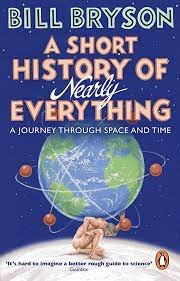
A Short History of Nearly Everything earns its place here because it is strong for science told with wit and wonder. It makes enormous scientific topics feel friendly to non-specialists.
Who it's for
Readers who want science without feeling intimidated.
Why you'll like it
You will like it if you want a book with a clear point of view rather than a title that is famous for vague reasons. It gives you enough story, evidence, or practical framing to remember the idea after you close the book.
Key lessons
- Curiosity is a habit.
- Discovery is messy.
- Scale changes perspective.
Pros
- Funny and approachable.
- Excellent for beginners.
Cons
- Some science has aged.
- Broad rather than deep.
My recommendation
Read it when you want to enjoy learning again. If you are choosing between several books on this page, read a sample first and notice which voice makes you want to keep going. The best recommendation is the one you will actually finish and use.
10. The Diary of a Young Girl by Anne Frank
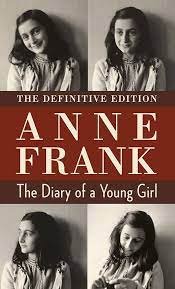
The Diary of a Young Girl earns its place here because it is strong for youth, fear, hope, and historical witness. It remains essential because it makes history personal and immediate.
Who it's for
Readers ready for a human document rather than a conventional narrative.
Why you'll like it
You will like it if you want a book with a clear point of view rather than a title that is famous for vague reasons. It gives you enough story, evidence, or practical framing to remember the idea after you close the book.
Key lessons
- Ordinary voices matter.
- Hope can exist under threat.
- History is made of individual lives.
Pros
- Deeply moving.
- Important historical testimony.
Cons
- Emotionally painful.
- Context helps.
My recommendation
Read it with care and respect. If you are choosing between several books on this page, read a sample first and notice which voice makes you want to keep going. The best recommendation is the one you will actually finish and use.
Which Book Should You Read Next?
Read Man's Search for Meaning if you want depth in a short book. Choose Sapiens if you want a broad world-history lens, or The Psychology of Money if you want practical everyday judgment. If two books are competing for your attention, choose the one that matches your current problem, not the one with the biggest reputation. Reading at the right moment is often what makes a book feel transformative.