10 Books That Improve Critical Thinking
Critical thinking is not about sounding clever. It is the habit of slowing down, checking assumptions, asking better questions, and noticing when emotion, incentives, or a good story are pulling you away from truth.
This guide follows the Book Readers Hub standard: quick picks for busy readers, a practical comparison table, honest pros and cons, and recommendations that explain who each book is actually for. The goal is not to make your reading list longer. It is to help you choose the next book with more confidence.
What Is the Best Book for Critical Thinking?
If you want one strong starting point, Thinking, Fast and Slow is often the best book for critical thinking because it explains how intuition, bias, and decision-making work together in everyday life. If you want a simpler and more beginner-friendly option, Factfulness is a great place to begin.
Quick Picks
- Best overall: Thinking, Fast and Slow
- Best beginner-friendly: Factfulness
- Best for uncertainty: The Black Swan
- Best for practical questioning: How to Read a Book
Comparison Table
| Book | Best For | Start Here If... |
|---|---|---|
| 1. Thinking, Fast and Slow | Bias, judgment, and decision-making | Readers ready for a serious psychology classic. |
| 2. Factfulness | Data literacy and global perspective | Readers who want clearer thinking without academic heaviness. |
| 3. The Art of Thinking Clearly | Common thinking errors | Readers who want short chapters and quick examples. |
| 4. The Black Swan | Uncertainty and rare events | Readers interested in risk, markets, history, and prediction failure. |
| 5. Fooled by Randomness | Luck, skill, and probability | Readers who want humility about success and failure. |
| 6. How to Read a Book | Active reading and better questions | Students and lifelong learners who want to read more deeply. |
| 7. The Scout Mindset | Truth-seeking over defensiveness | Readers who want to become less attached to being right. |
| 8. Superforecasting | Better predictions and probabilistic thinking | Readers who make decisions under uncertainty. |
| 9. Calling Bullshit | Spotting bad data and misleading claims | Readers navigating statistics, charts, headlines, and online arguments. |
| 10. Mistakes Were Made (But Not by Me) | Self-justification and cognitive dissonance | Readers who want better self-honesty. |
How I Chose These Books
I chose books that offer a distinct reason to read them: practical usefulness, emotional truth, lasting reputation, accessible writing, or a perspective that changes how readers see themselves and the world. I avoided building lists where every title does the same job.
I also considered mobile readers. Each recommendation is direct, skimmable, and honest about limitations, while still giving enough context to support an affiliate-focused buying decision.
1. Thinking, Fast and Slow by Daniel Kahneman
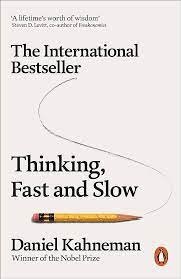
Thinking, Fast and Slow belongs in this guide because it is especially useful for bias, judgment, and decision-making. For readers exploring Books That Improve Critical Thinking, it offers a clear doorway into better judgment, stronger habits, deeper empathy, or a more honest understanding of the season they are in.
Who it's for
Readers ready for a serious psychology classic.
Why you'll like it
You will like it if you want a recommendation with a real point of view rather than a book included only because it is famous. It has enough substance to reward careful reading, but it also gives you one or two ideas you can carry into ordinary life immediately.
Key lessons
- The mind uses shortcuts, and those shortcuts can quietly distort judgment.
- The best books become useful when you connect them to a real decision, not only when you finish the final page.
- A single repeated insight can matter more than ten underlined passages you never use.
Pros
- Strong fit for this reading path.
- Readable enough for mobile readers while still offering lasting value.
Cons
- Dense and best read slowly.
- It will work best when chosen for your current need, not only for its reputation.
My recommendation
Read this when its central question matches something you are actively living through. If the topic feels distant, save it for later and choose the book on this list that creates the strongest yes right now.
2. Factfulness by Hans Rosling
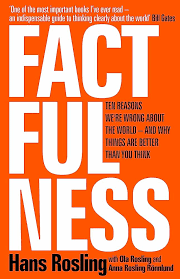
Factfulness belongs in this guide because it is especially useful for data literacy and global perspective. For readers exploring Books That Improve Critical Thinking, it offers a clear doorway into better judgment, stronger habits, deeper empathy, or a more honest understanding of the season they are in.
Who it's for
Readers who want clearer thinking without academic heaviness.
Why you'll like it
You will like it if you want a recommendation with a real point of view rather than a book included only because it is famous. It has enough substance to reward careful reading, but it also gives you one or two ideas you can carry into ordinary life immediately.
Key lessons
- The world is often more complicated and less hopeless than headlines suggest.
- The best books become useful when you connect them to a real decision, not only when you finish the final page.
- A single repeated insight can matter more than ten underlined passages you never use.
Pros
- Strong fit for this reading path.
- Readable enough for mobile readers while still offering lasting value.
Cons
- Its optimism should still be paired with nuance.
- It will work best when chosen for your current need, not only for its reputation.
My recommendation
Read this when its central question matches something you are actively living through. If the topic feels distant, save it for later and choose the book on this list that creates the strongest yes right now.
3. The Art of Thinking Clearly by Rolf Dobelli
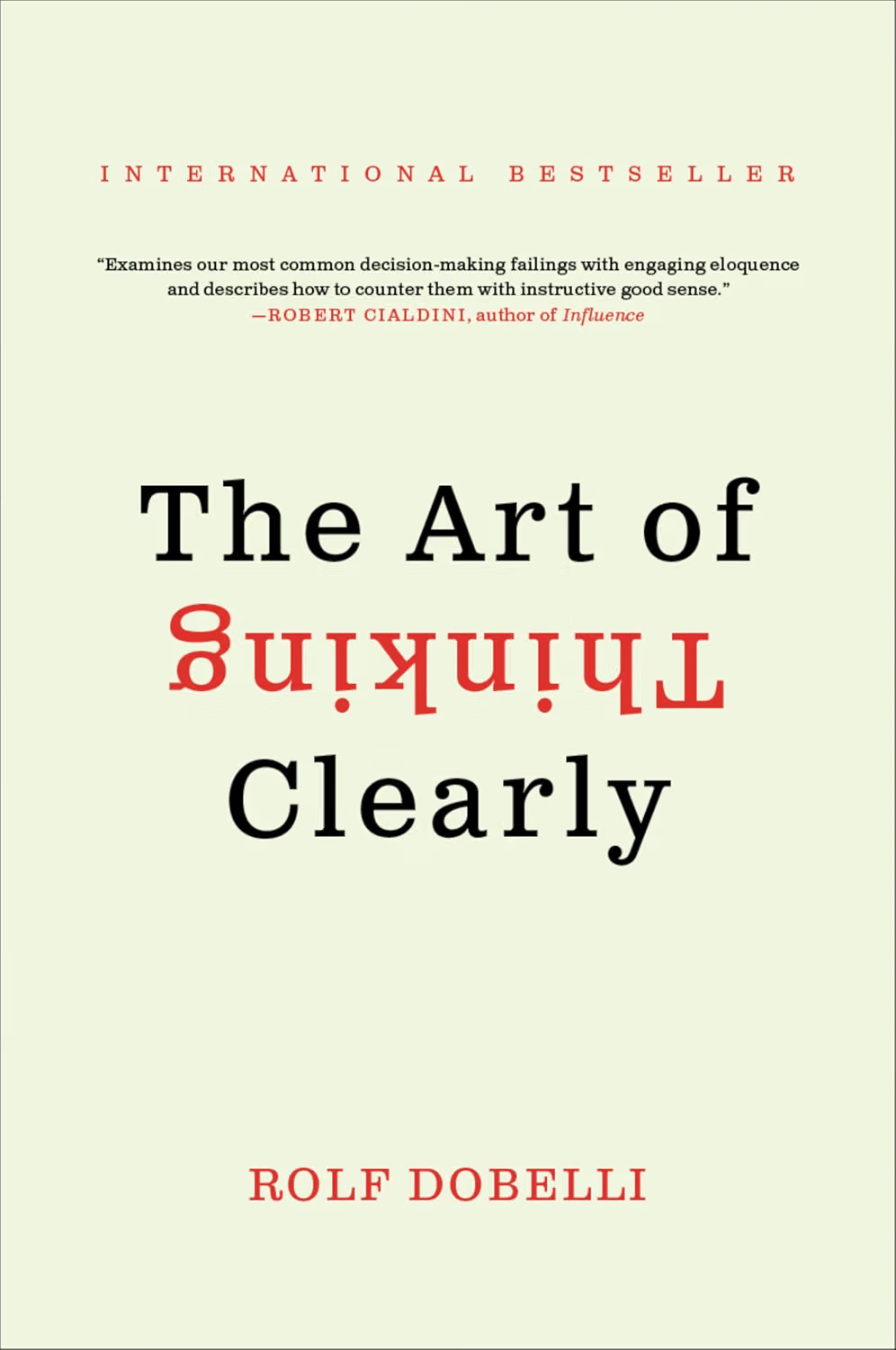
The Art of Thinking Clearly belongs in this guide because it is especially useful for common thinking errors. For readers exploring Books That Improve Critical Thinking, it offers a clear doorway into better judgment, stronger habits, deeper empathy, or a more honest understanding of the season they are in.
Who it's for
Readers who want short chapters and quick examples.
Why you'll like it
You will like it if you want a recommendation with a real point of view rather than a book included only because it is famous. It has enough substance to reward careful reading, but it also gives you one or two ideas you can carry into ordinary life immediately.
Key lessons
- Naming a bias makes it easier to notice in real decisions.
- The best books become useful when you connect them to a real decision, not only when you finish the final page.
- A single repeated insight can matter more than ten underlined passages you never use.
Pros
- Strong fit for this reading path.
- Readable enough for mobile readers while still offering lasting value.
Cons
- The format can feel like a list rather than a deep argument.
- It will work best when chosen for your current need, not only for its reputation.
My recommendation
Read this when its central question matches something you are actively living through. If the topic feels distant, save it for later and choose the book on this list that creates the strongest yes right now.
4. The Black Swan by Nassim Nicholas Taleb
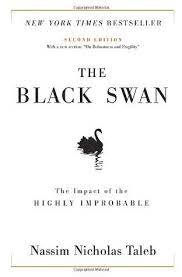
The Black Swan belongs in this guide because it is especially useful for uncertainty and rare events. For readers exploring Books That Improve Critical Thinking, it offers a clear doorway into better judgment, stronger habits, deeper empathy, or a more honest understanding of the season they are in.
Who it's for
Readers interested in risk, markets, history, and prediction failure.
Why you'll like it
You will like it if you want a recommendation with a real point of view rather than a book included only because it is famous. It has enough substance to reward careful reading, but it also gives you one or two ideas you can carry into ordinary life immediately.
Key lessons
- The biggest events are often easier to explain afterward than predict beforehand.
- The best books become useful when you connect them to a real decision, not only when you finish the final page.
- A single repeated insight can matter more than ten underlined passages you never use.
Pros
- Strong fit for this reading path.
- Readable enough for mobile readers while still offering lasting value.
Cons
- Taleb's style is strong and polarizing.
- It will work best when chosen for your current need, not only for its reputation.
My recommendation
Read this when its central question matches something you are actively living through. If the topic feels distant, save it for later and choose the book on this list that creates the strongest yes right now.
5. Fooled by Randomness by Nassim Nicholas Taleb
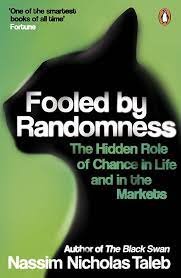
Fooled by Randomness belongs in this guide because it is especially useful for luck, skill, and probability. For readers exploring Books That Improve Critical Thinking, it offers a clear doorway into better judgment, stronger habits, deeper empathy, or a more honest understanding of the season they are in.
Who it's for
Readers who want humility about success and failure.
Why you'll like it
You will like it if you want a recommendation with a real point of view rather than a book included only because it is famous. It has enough substance to reward careful reading, but it also gives you one or two ideas you can carry into ordinary life immediately.
Key lessons
- Randomness can make people look smarter or weaker than they really are.
- The best books become useful when you connect them to a real decision, not only when you finish the final page.
- A single repeated insight can matter more than ten underlined passages you never use.
Pros
- Strong fit for this reading path.
- Readable enough for mobile readers while still offering lasting value.
Cons
- Some examples are finance-heavy.
- It will work best when chosen for your current need, not only for its reputation.
My recommendation
Read this when its central question matches something you are actively living through. If the topic feels distant, save it for later and choose the book on this list that creates the strongest yes right now.
6. How to Read a Book by Mortimer J. Adler and Charles Van Doren
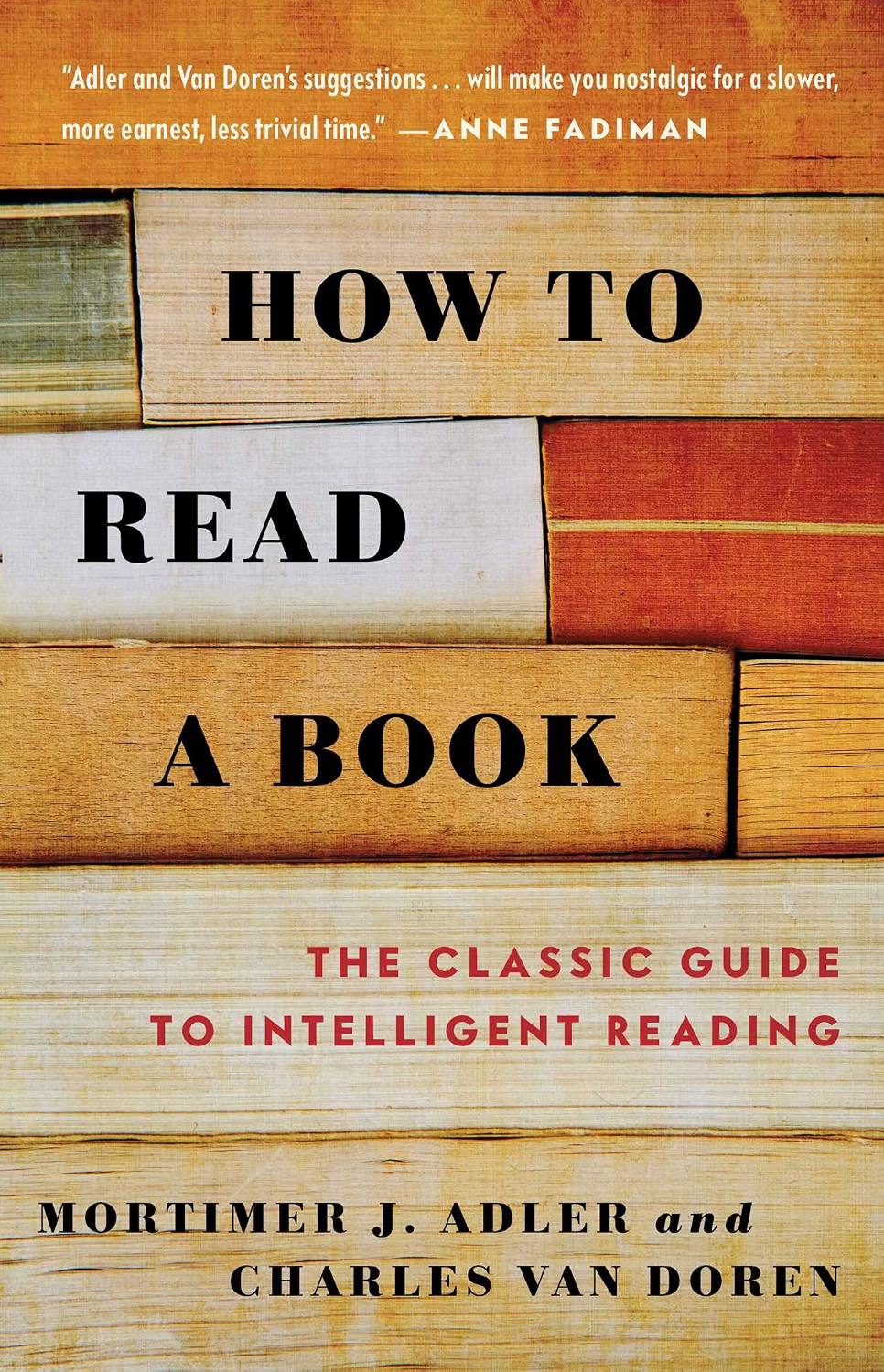
How to Read a Book belongs in this guide because it is especially useful for active reading and better questions. For readers exploring Books That Improve Critical Thinking, it offers a clear doorway into better judgment, stronger habits, deeper empathy, or a more honest understanding of the season they are in.
Who it's for
Students and lifelong learners who want to read more deeply.
Why you'll like it
You will like it if you want a recommendation with a real point of view rather than a book included only because it is famous. It has enough substance to reward careful reading, but it also gives you one or two ideas you can carry into ordinary life immediately.
Key lessons
- Good reading is a conversation with the author's claims.
- The best books become useful when you connect them to a real decision, not only when you finish the final page.
- A single repeated insight can matter more than ten underlined passages you never use.
Pros
- Strong fit for this reading path.
- Readable enough for mobile readers while still offering lasting value.
Cons
- The tone is old-fashioned in places.
- It will work best when chosen for your current need, not only for its reputation.
My recommendation
Read this when its central question matches something you are actively living through. If the topic feels distant, save it for later and choose the book on this list that creates the strongest yes right now.
7. The Scout Mindset by Julia Galef
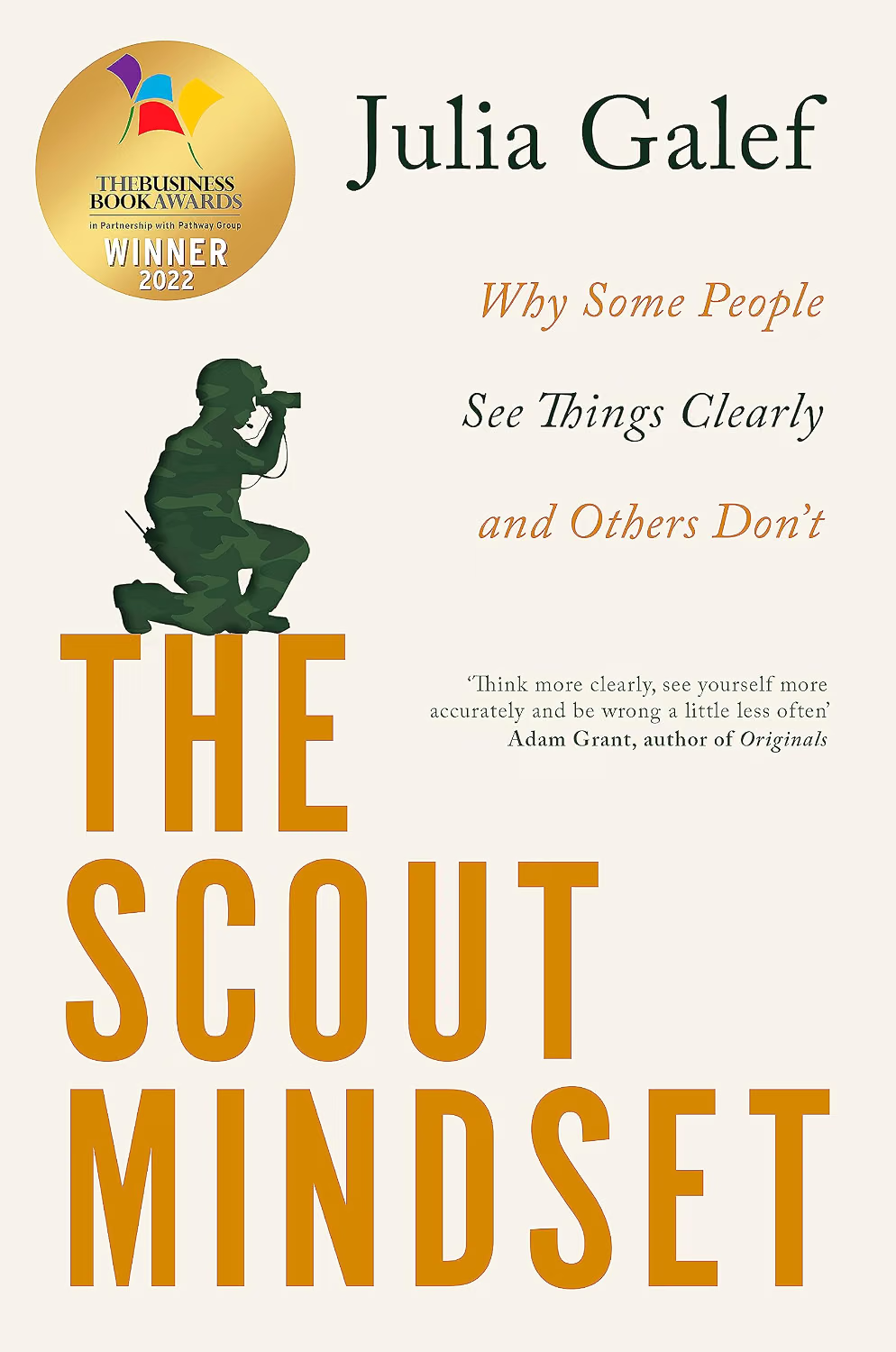
The Scout Mindset belongs in this guide because it is especially useful for truth-seeking over defensiveness. For readers exploring Books That Improve Critical Thinking, it offers a clear doorway into better judgment, stronger habits, deeper empathy, or a more honest understanding of the season they are in.
Who it's for
Readers who want to become less attached to being right.
Why you'll like it
You will like it if you want a recommendation with a real point of view rather than a book included only because it is famous. It has enough substance to reward careful reading, but it also gives you one or two ideas you can carry into ordinary life immediately.
Key lessons
- A scout tries to see the map clearly, even when it is inconvenient.
- The best books become useful when you connect them to a real decision, not only when you finish the final page.
- A single repeated insight can matter more than ten underlined passages you never use.
Pros
- Strong fit for this reading path.
- Readable enough for mobile readers while still offering lasting value.
Cons
- Some readers may want more hard science.
- It will work best when chosen for your current need, not only for its reputation.
My recommendation
Read this when its central question matches something you are actively living through. If the topic feels distant, save it for later and choose the book on this list that creates the strongest yes right now.
8. Superforecasting by Philip E. Tetlock and Dan Gardner
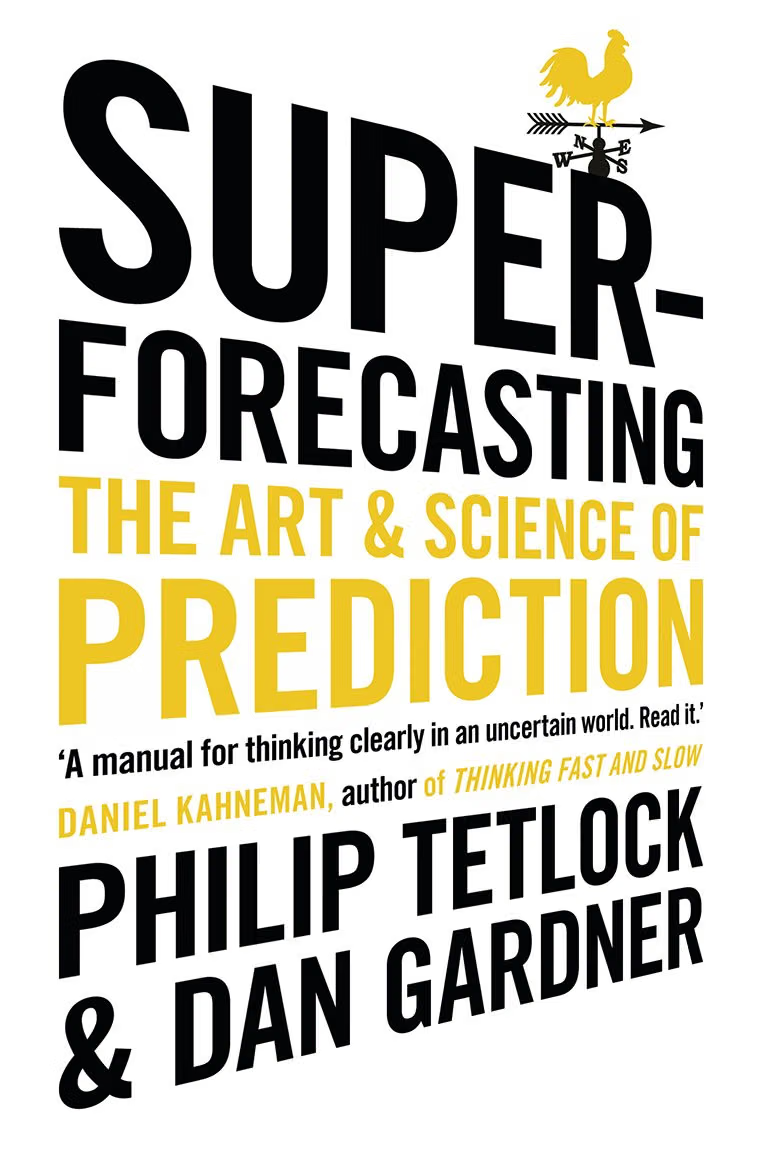
Superforecasting belongs in this guide because it is especially useful for better predictions and probabilistic thinking. For readers exploring Books That Improve Critical Thinking, it offers a clear doorway into better judgment, stronger habits, deeper empathy, or a more honest understanding of the season they are in.
Who it's for
Readers who make decisions under uncertainty.
Why you'll like it
You will like it if you want a recommendation with a real point of view rather than a book included only because it is famous. It has enough substance to reward careful reading, but it also gives you one or two ideas you can carry into ordinary life immediately.
Key lessons
- Good forecasters update beliefs in small, honest increments.
- The best books become useful when you connect them to a real decision, not only when you finish the final page.
- A single repeated insight can matter more than ten underlined passages you never use.
Pros
- Strong fit for this reading path.
- Readable enough for mobile readers while still offering lasting value.
Cons
- It requires patience with examples.
- It will work best when chosen for your current need, not only for its reputation.
My recommendation
Read this when its central question matches something you are actively living through. If the topic feels distant, save it for later and choose the book on this list that creates the strongest yes right now.
9. Calling Bullshit by Carl T. Bergstrom and Jevin D. West
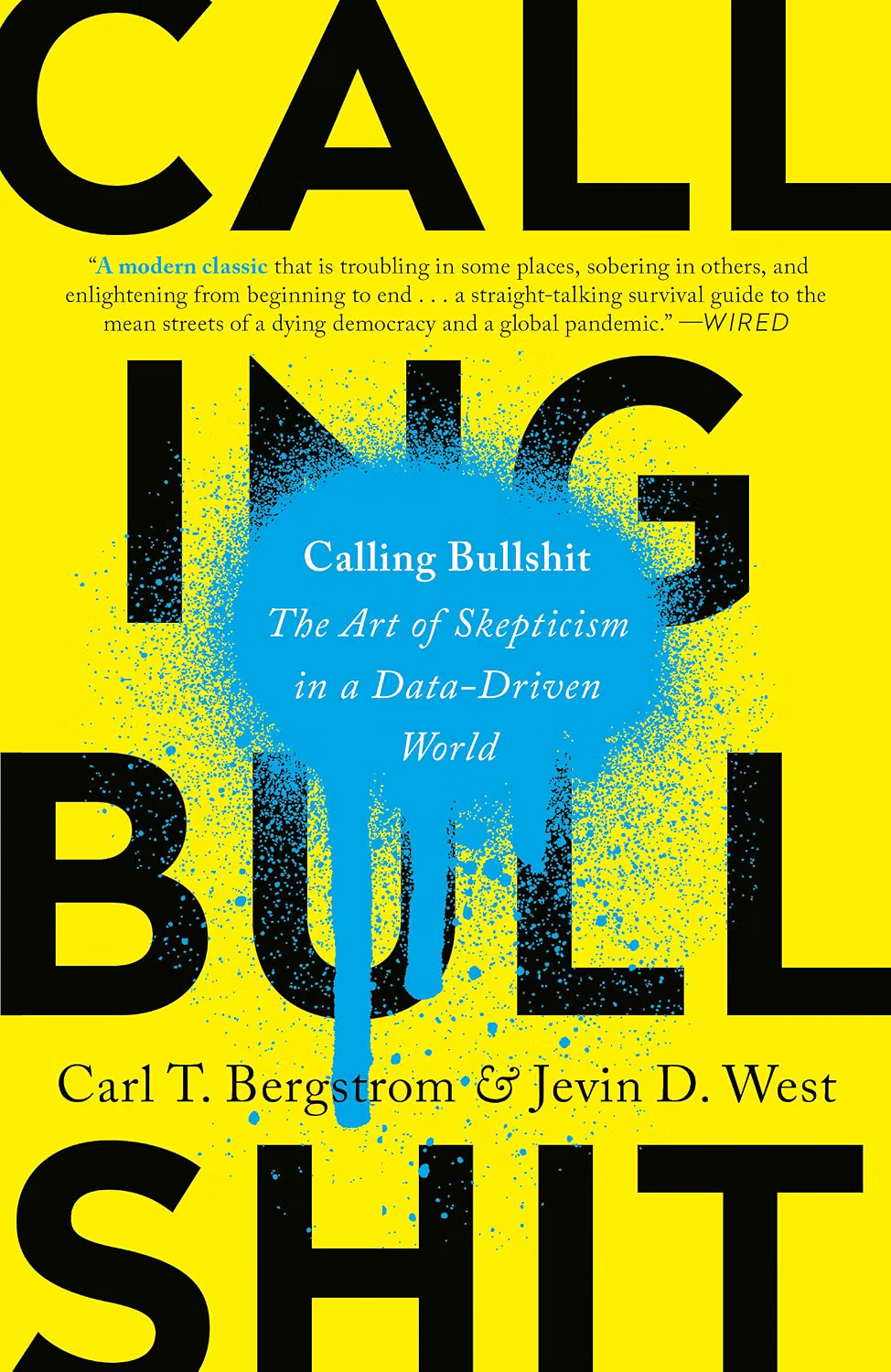
Calling Bullshit belongs in this guide because it is especially useful for spotting bad data and misleading claims. For readers exploring Books That Improve Critical Thinking, it offers a clear doorway into better judgment, stronger habits, deeper empathy, or a more honest understanding of the season they are in.
Who it's for
Readers navigating statistics, charts, headlines, and online arguments.
Why you'll like it
You will like it if you want a recommendation with a real point of view rather than a book included only because it is famous. It has enough substance to reward careful reading, but it also gives you one or two ideas you can carry into ordinary life immediately.
Key lessons
- Numbers can be used to impress without informing.
- The best books become useful when you connect them to a real decision, not only when you finish the final page.
- A single repeated insight can matter more than ten underlined passages you never use.
Pros
- Strong fit for this reading path.
- Readable enough for mobile readers while still offering lasting value.
Cons
- Best if you are comfortable with some data discussion.
- It will work best when chosen for your current need, not only for its reputation.
My recommendation
Read this when its central question matches something you are actively living through. If the topic feels distant, save it for later and choose the book on this list that creates the strongest yes right now.
10. Mistakes Were Made (But Not by Me) by Carol Tavris and Elliot Aronson
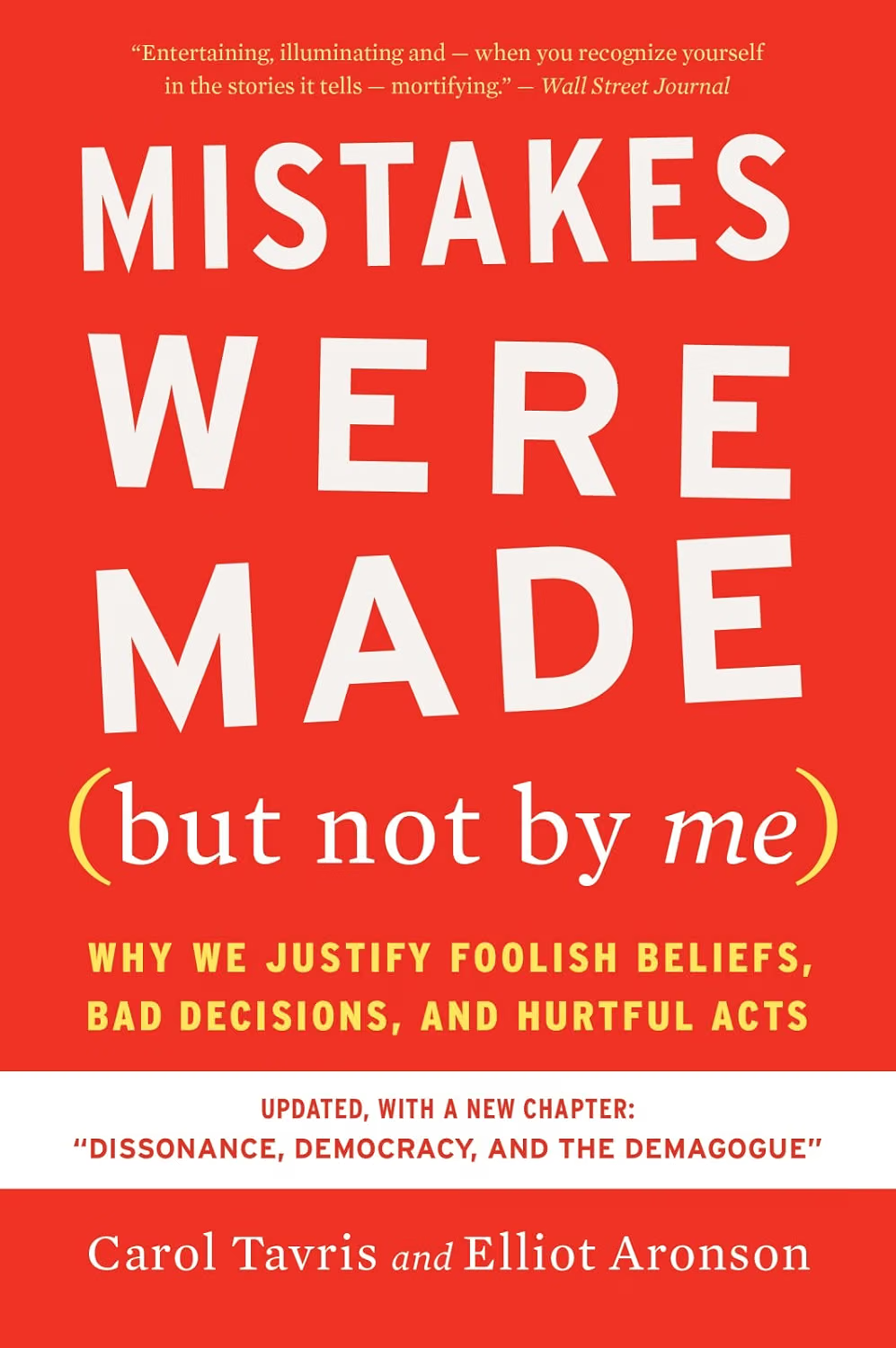
Mistakes Were Made (But Not by Me) belongs in this guide because it is especially useful for self-justification and cognitive dissonance. For readers exploring Books That Improve Critical Thinking, it offers a clear doorway into better judgment, stronger habits, deeper empathy, or a more honest understanding of the season they are in.
Who it's for
Readers who want better self-honesty.
Why you'll like it
You will like it if you want a recommendation with a real point of view rather than a book included only because it is famous. It has enough substance to reward careful reading, but it also gives you one or two ideas you can carry into ordinary life immediately.
Key lessons
- The mind protects its identity by explaining away mistakes.
- The best books become useful when you connect them to a real decision, not only when you finish the final page.
- A single repeated insight can matter more than ten underlined passages you never use.
Pros
- Strong fit for this reading path.
- Readable enough for mobile readers while still offering lasting value.
Cons
- It can be uncomfortable because it applies to everyone.
- It will work best when chosen for your current need, not only for its reputation.
My recommendation
Read this when its central question matches something you are actively living through. If the topic feels distant, save it for later and choose the book on this list that creates the strongest yes right now.
Which Book Should You Read Next?
Start with Factfulness if you want an easier entry point. Choose Thinking, Fast and Slow if you want the deeper psychology of judgment. The best next book is usually the one that meets your current life, not the one that looks most impressive on a public list.