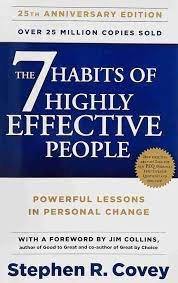
The 7 Habits of Highly Effective People Summary for Entrepreneurs (Modern Leadership Guide)
Most entrepreneurs focus on productivity.
Few focus on character.
That's the difference.
When I first read The 7 Habits of Highly Effective People, I expected time management advice. What I found instead was something deeper — a blueprint for personal leadership.
Written by Stephen Covey, The 7 Habits of Highly Effective People is not about quick wins.
It's about building a foundation.
This is a modern interpretation for entrepreneurs in 2026.
What Is The 7 Habits About?
Covey explains that effectiveness comes from principles — not hacks.
The book is divided into:
- Private Victory (self-mastery)
- Public Victory (leadership & relationships)
- Renewal (sustained growth)
It moves from inside → outward.
Character before results.
The 7 Habits Explained for Entrepreneurs
1️⃣ Be Proactive
You are responsible for your choices.
Not:
- Market conditions
- Competitors
- Algorithms
Entrepreneurs who blame external factors stay stuck.
Proactive founders focus on what they can control:
- Strategy
- Skills
- Systems
- Mindset
Responsibility creates power.
2️⃣ Begin With the End in Mind
Clarity precedes success.
For entrepreneurs, that means:
- Long-term business vision
- Financial goals
- Impact goals
- Exit strategy
Without direction, productivity becomes noise.
3️⃣ Put First Things First
Not everything urgent is important.
Covey introduces the Time Management Matrix:
- Urgent & Important
- Important but Not Urgent
- Urgent but Not Important
- Neither
Successful entrepreneurs spend most time in Important but Not Urgent.
- Strategy
- Skill building
- Relationship building
- System creation
Not constant firefighting.
4️⃣ Think Win-Win
Business is not zero-sum.
Long-term growth comes from:
- Fair partnerships
- Ethical negotiations
- Sustainable relationships
Short-term wins damage trust.
5️⃣ Seek First to Understand, Then to Be Understood
Most people listen to reply.
Effective leaders listen to understand.
For entrepreneurs, this means:
- Listening to customers
- Understanding team concerns
- Validating feedback
This aligns perfectly with The Lean Startup Summary for Entrepreneurs .
6️⃣ Synergize
Collaboration multiplies strength.
- Leveraging talent
- Delegating effectively
- Combining strengths
One strong team beats one strong individual.
7️⃣ Sharpen the Saw
This habit focuses on renewal.
Covey divides it into four areas:
- Physical
- Mental
- Emotional
- Spiritual
Sustainable success requires renewal — just like in Atomic Habits Summary for Entrepreneurs .
Private Victory vs Public Victory
Habits 1-3 = Self-Leadership
Habits 4-6 = Relationship Leadership
Habit 7 = Maintenance & Growth
Entrepreneurs often try to lead others before mastering themselves.
Self-discipline first. Leadership second.
How The 7 Habits Applies in 2026
In today's digital world:
- Remote teams
- Online businesses
- Fast competition
- Constant distraction
Effectiveness now means:
- Emotional intelligence
- Long-term thinking
- Consistency
- Ethical decision-making
These habits remain timeless.
7 Habits vs Deep Work vs Atomic Habits
- Atomic Habits builds systems.
- Deep Work builds focus.
- The 7 Habits builds character.
Together they form a complete entrepreneurial operating system.
Who Should Read The 7 Habits?
- Founders building teams
- Leaders scaling startups
- Entrepreneurs seeking long-term growth
- Anyone wanting discipline with depth
It's not tactical. It's transformational.
Key Quotes
“The key is not to prioritize what's on your schedule, but to schedule your priorities.”
“Most people do not listen with the intent to understand; they listen with the intent to reply.”
Action Plan for Entrepreneurs
- Define your long-term mission.
- Identify your top three priorities.
- Block time for important but non-urgent work.
- Improve one relationship through better listening.
- Invest in weekly renewal (health + learning).
Effectiveness compounds.
Final Thoughts
The 7 Habits of Highly Effective People is not about speed.
It's about stability.
Entrepreneurs often chase growth. Covey teaches sustainability.
If you combine:
- Think and Grow Rich belief
- Atomic Habits discipline
- Deep Work focus
- Lean Startup validation
- 7 Habits leadership
You build more than a business.
You build character-driven success.