10 Best Books Like Shoe Dog for Entrepreneurs and Dreamers
Shoe Dog works because it does not make entrepreneurship look clean. Phil Knight's Nike story is messy, risky, emotional, funny, and full of moments where success is far from guaranteed. If you loved that feeling, the best follow-up books are not just business manuals. They are founder stories and company biographies that show ambition under pressure.
This guide follows the Book Readers Hub standard: useful recommendations, honest limitations, quick picks for busy readers, and enough detail to help you choose the right next book without opening ten tabs.
Quick Picks
- Best overall follow-up: Steve Jobs
- Best for e-commerce scale: The Everything Store
- Best for creative business: Creativity, Inc.
- Best for honest startup pressure: The Hard Thing About Hard Things
Comparison Table
| Book | Best For | Why It Stands Out |
|---|---|---|
| 1. Steve Jobs | A complex founder portrait | Readers who want biography, creativity, leadership tension, and product obsession. |
| 2. The Everything Store | The rise of Amazon and long-term ambition | Readers interested in scale, strategy, and customer obsession. |
| 3. The Hard Thing About Hard Things | Founder pressure when everything gets difficult | Entrepreneurs who want emotional realism with practical advice. |
| 4. Creativity, Inc. | Building a creative company | Creators, leaders, and founders who care about teams and originality. |
| 5. Let My People Go Surfing | Values-led entrepreneurship | Readers who care about brand, purpose, and responsible company-building. |
| 6. Pour Your Heart Into It | Brand-building and customer experience | Readers interested in consumer brands and mission-driven scaling. |
| 7. Elon Musk | Risk, engineering intensity, and controversial ambition | Readers who want an intense, complicated business biography. |
| 8. The Ride of a Lifetime | Leadership through major deals and creative franchises | Readers who want leadership lessons without startup chaos. |
| 9. Grinding It Out | Franchising, persistence, and scale | Readers interested in classic business stories. |
| 10. The Snowball | Warren Buffett's life and compounding approach | Readers who want biography with investing and life lessons. |
How I Chose These Books
I looked for books that have a durable reason to be recommended: a useful framework, a memorable story, a strong reputation among readers, or a perspective that adds something new to the topic. I avoided filling the list with near-duplicates, because ten books that say the same thing do not help you choose.
I also considered readability. These articles are meant for real readers, including mobile readers, so each recommendation explains who the book is for, why it works, and where it may not be the best fit. A good book list should save you time, not just create a longer wishlist.
1. Steve Jobs by Walter Isaacson
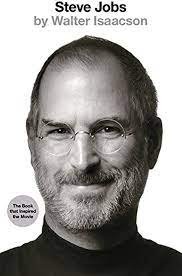
Steve Jobs earns its place here because it is strong for a complex founder portrait. Like Shoe Dog, it shows the human intensity behind a brand that changed culture.
Who it's for
Readers who want biography, creativity, leadership tension, and product obsession.
Why you'll like it
You will like it if you want a book with a clear point of view rather than a title that is famous for vague reasons. It gives you enough story, evidence, or practical framing to remember the idea after you close the book.
Key lessons
- Taste matters in business.
- Great products require hard choices.
- Personality strengths can also become liabilities.
Pros
- Rich, detailed, and highly readable.
- Excellent for understanding creative leadership.
Cons
- Jobs can be difficult to admire personally.
- The book is long.
My recommendation
Read it for the complexity, not for a simple leadership model. If you are choosing between several books on this page, read a sample first and notice which voice makes you want to keep going. The best recommendation is the one you will actually finish and use.
2. The Everything Store by Brad Stone
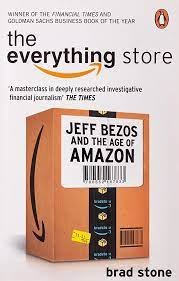
The Everything Store earns its place here because it is strong for the rise of Amazon and long-term ambition. It captures the relentlessness of building a company that keeps expanding its definition of possible.
Who it's for
Readers interested in scale, strategy, and customer obsession.
Why you'll like it
You will like it if you want a book with a clear point of view rather than a title that is famous for vague reasons. It gives you enough story, evidence, or practical framing to remember the idea after you close the book.
Key lessons
- Long-term thinking changes decisions.
- Operational excellence compounds.
- Ambition creates tradeoffs.
Pros
- Fast-moving and informative.
- Strong business storytelling.
Cons
- Not a memoir.
- Some leadership practices may trouble readers.
My recommendation
Choose it when you want Shoe Dog's business momentum on a larger canvas. If you are choosing between several books on this page, read a sample first and notice which voice makes you want to keep going. The best recommendation is the one you will actually finish and use.
3. The Hard Thing About Hard Things by Ben Horowitz
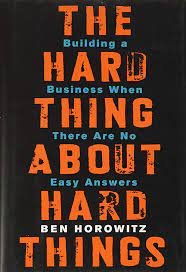
The Hard Thing About Hard Things earns its place here because it is strong for founder pressure when everything gets difficult. It has the same honesty about uncertainty, fear, and survival that makes Shoe Dog feel human.
Who it's for
Entrepreneurs who want emotional realism with practical advice.
Why you'll like it
You will like it if you want a book with a clear point of view rather than a title that is famous for vague reasons. It gives you enough story, evidence, or practical framing to remember the idea after you close the book.
Key lessons
- There are no easy answers to hard problems.
- Leaders must make lonely calls.
- Culture is built under stress.
Pros
- Candid and memorable.
- Useful for operators.
Cons
- Tech-focused examples.
- Not as narrative as Shoe Dog.
My recommendation
Read it when you want the founder's inner pressure explained plainly. If you are choosing between several books on this page, read a sample first and notice which voice makes you want to keep going. The best recommendation is the one you will actually finish and use.
4. Creativity, Inc. by Ed Catmull
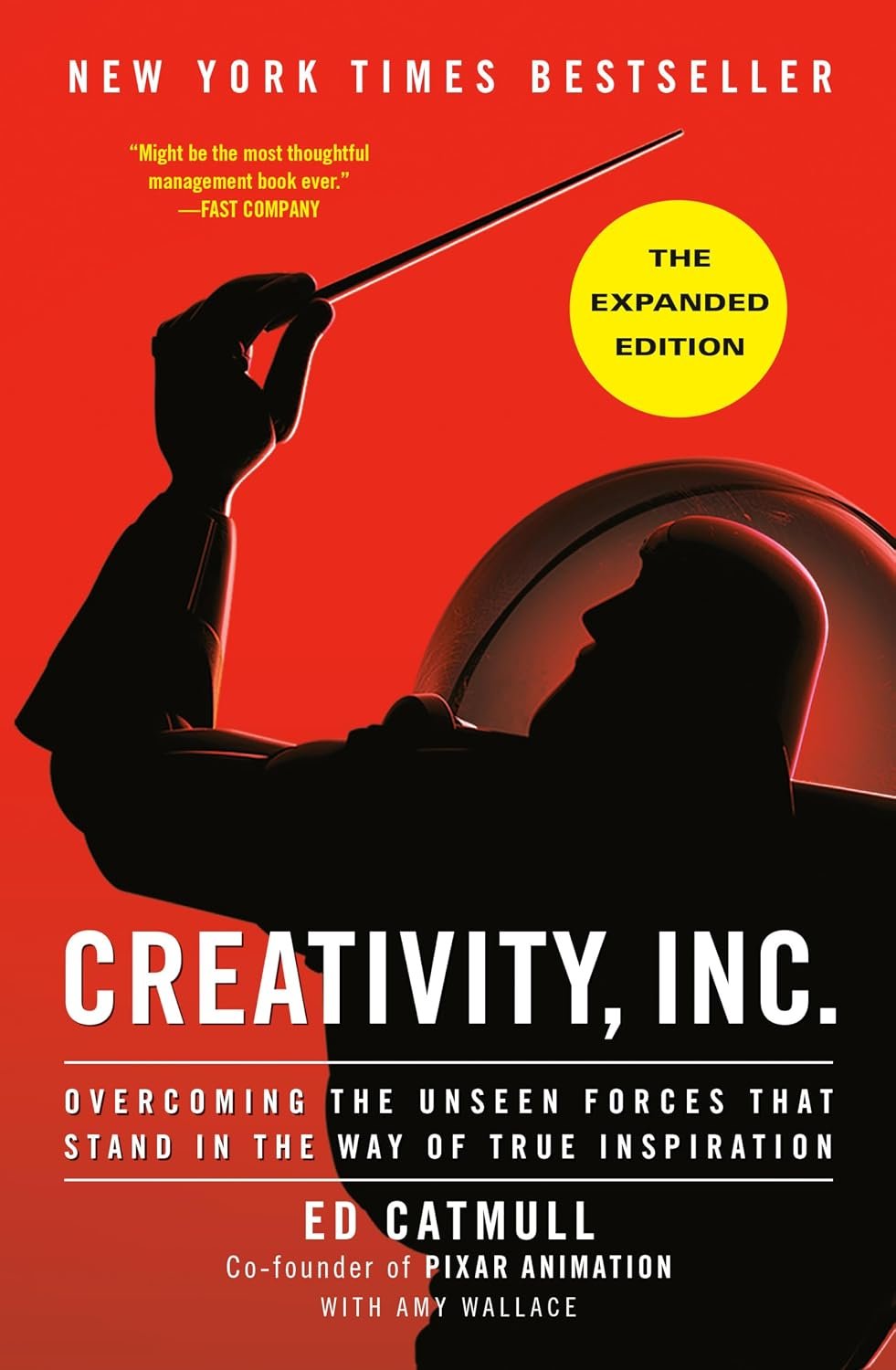
Creativity, Inc. earns its place here because it is strong for building a creative company. Pixar's story brings the same sense of craft, risk, and culture-building from a different industry.
Who it's for
Creators, leaders, and founders who care about teams and originality.
Why you'll like it
You will like it if you want a book with a clear point of view rather than a title that is famous for vague reasons. It gives you enough story, evidence, or practical framing to remember the idea after you close the book.
Key lessons
- Creative teams need psychological safety.
- Candor improves work.
- Protecting quality requires systems.
Pros
- Wise and humane.
- Excellent leadership lessons.
Cons
- Less scrappy than Shoe Dog.
- More management-focused.
My recommendation
Read it if you want business lessons with a creative heartbeat. If you are choosing between several books on this page, read a sample first and notice which voice makes you want to keep going. The best recommendation is the one you will actually finish and use.
5. Let My People Go Surfing by Yvon Chouinard
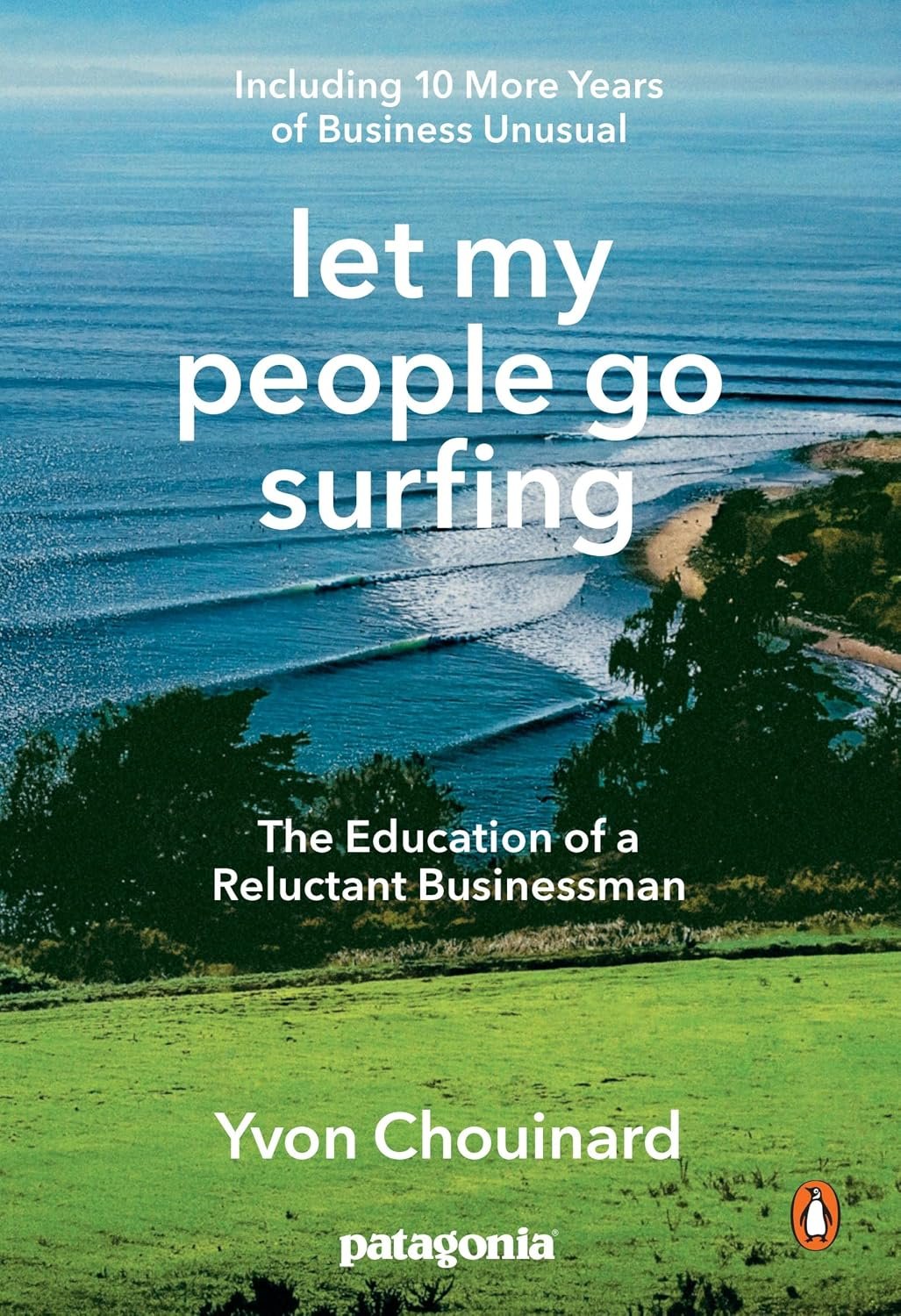
Let My People Go Surfing earns its place here because it is strong for values-led entrepreneurship. Patagonia's story is a powerful contrast to growth-at-all-costs business culture.
Who it's for
Readers who care about brand, purpose, and responsible company-building.
Why you'll like it
You will like it if you want a book with a clear point of view rather than a title that is famous for vague reasons. It gives you enough story, evidence, or practical framing to remember the idea after you close the book.
Key lessons
- Values can shape strategy.
- Constraints can build identity.
- A company can choose what it refuses to become.
Pros
- Distinctive and thoughtful.
- Great for brand builders.
Cons
- Less conventional business advice.
- Some readers may want more tactical detail.
My recommendation
Read it when you want a founder story with conscience. If you are choosing between several books on this page, read a sample first and notice which voice makes you want to keep going. The best recommendation is the one you will actually finish and use.
6. Pour Your Heart Into It by Howard Schultz
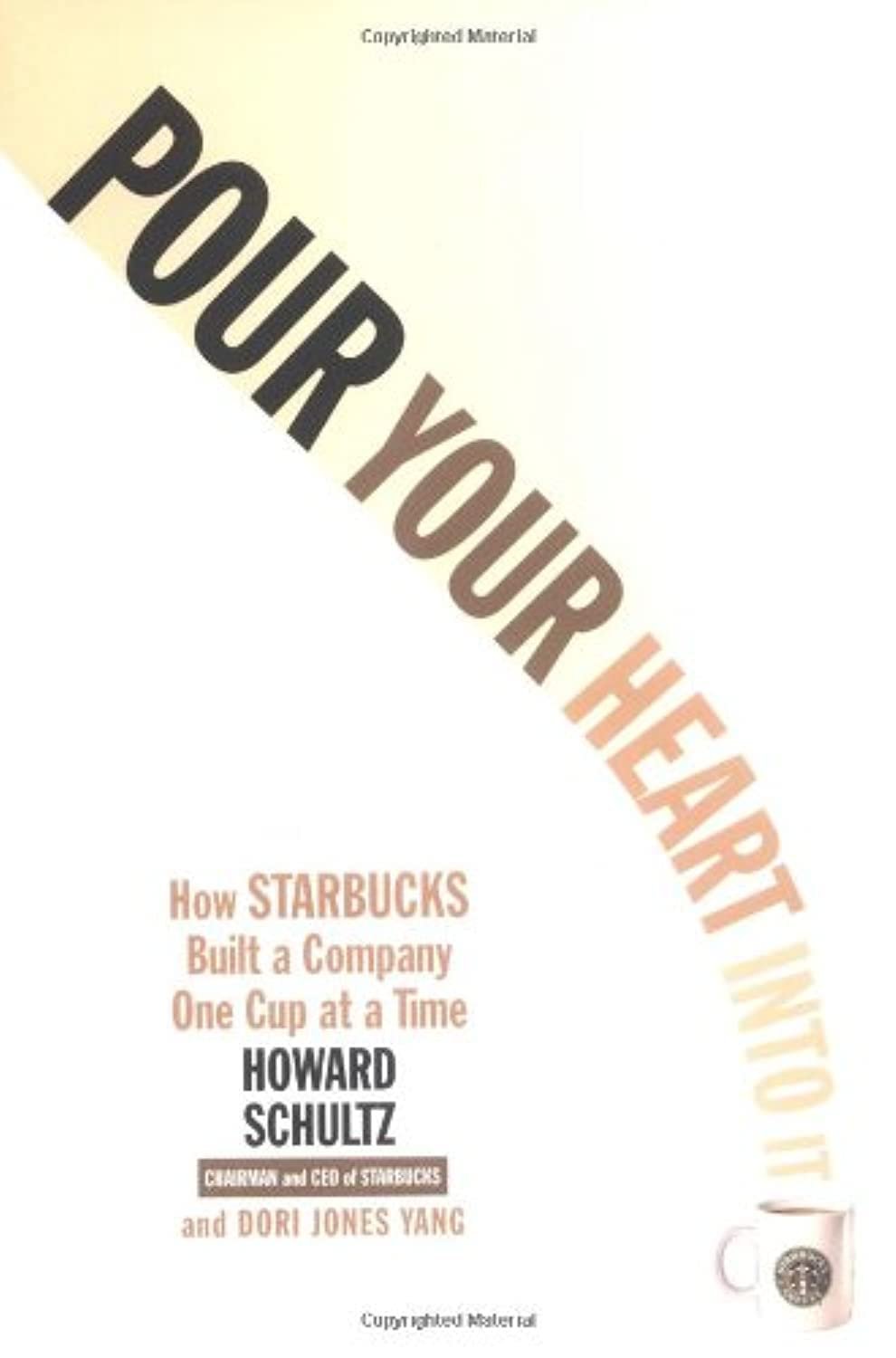
Pour Your Heart Into It earns its place here because it is strong for brand-building and customer experience. Starbucks' growth story pairs personal conviction with retail execution and emotional brand positioning.
Who it's for
Readers interested in consumer brands and mission-driven scaling.
Why you'll like it
You will like it if you want a book with a clear point of view rather than a title that is famous for vague reasons. It gives you enough story, evidence, or practical framing to remember the idea after you close the book.
Key lessons
- Brand is lived through details.
- Experience can be a product.
- Growth tests values.
Pros
- Accessible and inspiring.
- Good for retail and brand thinking.
Cons
- Naturally presents the founder's view.
- Some sections feel dated.
My recommendation
Read it if you want the emotional side of building a global brand. If you are choosing between several books on this page, read a sample first and notice which voice makes you want to keep going. The best recommendation is the one you will actually finish and use.
7. Elon Musk by Walter Isaacson
Elon Musk earns its place here because it is strong for risk, engineering intensity, and controversial ambition. It offers a modern founder portrait where vision, volatility, and execution collide.
Who it's for
Readers who want an intense, complicated business biography.
Why you'll like it
You will like it if you want a book with a clear point of view rather than a title that is famous for vague reasons. It gives you enough story, evidence, or practical framing to remember the idea after you close the book.
Key lessons
- Speed can change industries.
- Intensity has costs.
- Vision needs execution.
Pros
- Detailed and current-feeling.
- Strong behind-the-scenes reporting.
Cons
- The subject is polarizing.
- Not every behavior is worth emulating.
My recommendation
Read it critically, as a case study in both force and cost. If you are choosing between several books on this page, read a sample first and notice which voice makes you want to keep going. The best recommendation is the one you will actually finish and use.
8. The Ride of a Lifetime by Robert Iger
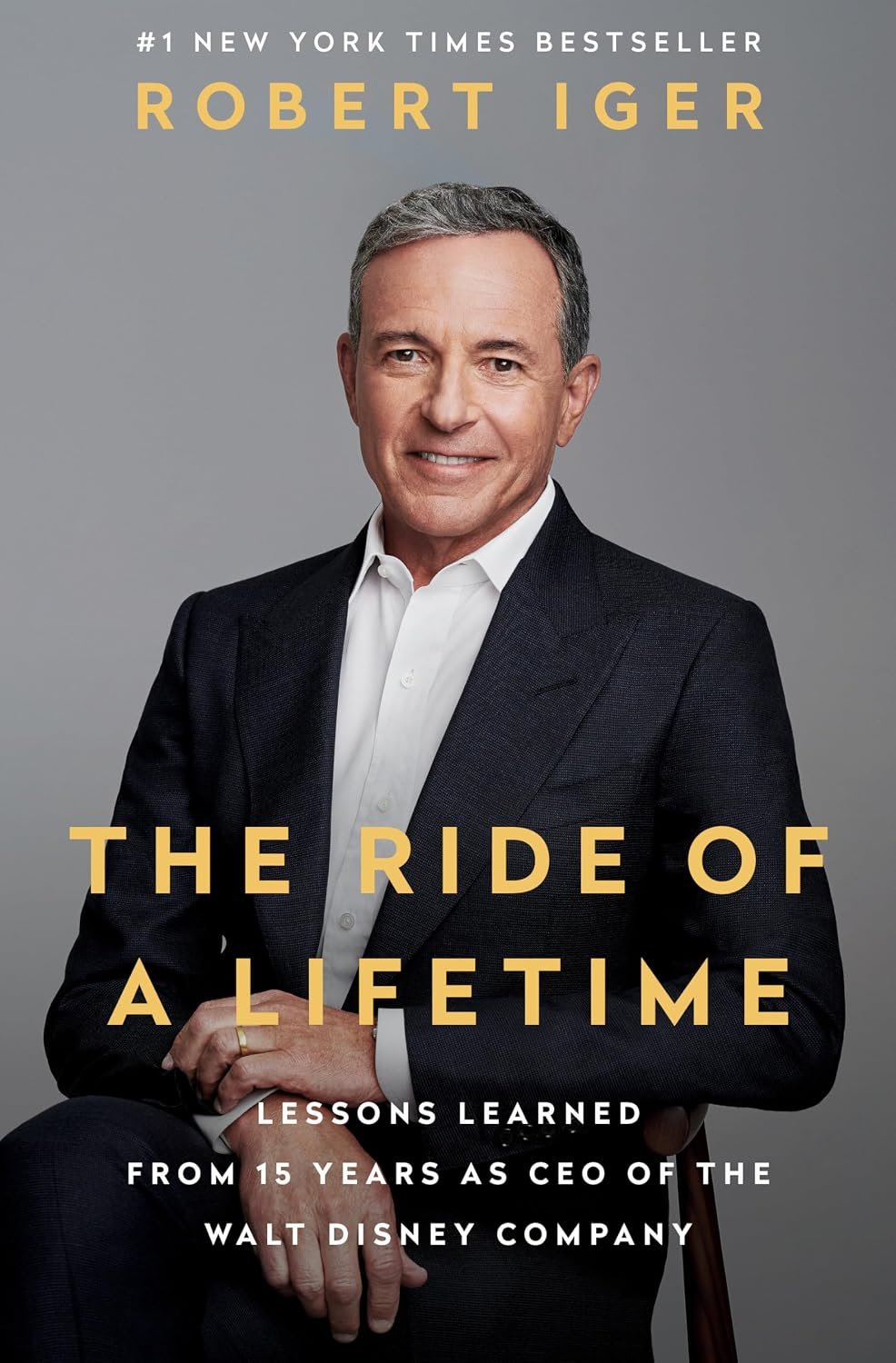
The Ride of a Lifetime earns its place here because it is strong for leadership through major deals and creative franchises. It gives a calmer executive memoir about taste, negotiation, and managing beloved brands.
Who it's for
Readers who want leadership lessons without startup chaos.
Why you'll like it
You will like it if you want a book with a clear point of view rather than a title that is famous for vague reasons. It gives you enough story, evidence, or practical framing to remember the idea after you close the book.
Key lessons
- Optimism can be disciplined.
- Big bets need patience.
- Respect matters in negotiation.
Pros
- Clear and polished.
- Useful leadership tone.
Cons
- Less raw than Shoe Dog.
- More corporate than founder-scrappy.
My recommendation
Read it for a steadier version of business storytelling. If you are choosing between several books on this page, read a sample first and notice which voice makes you want to keep going. The best recommendation is the one you will actually finish and use.
9. Grinding It Out by Ray Kroc
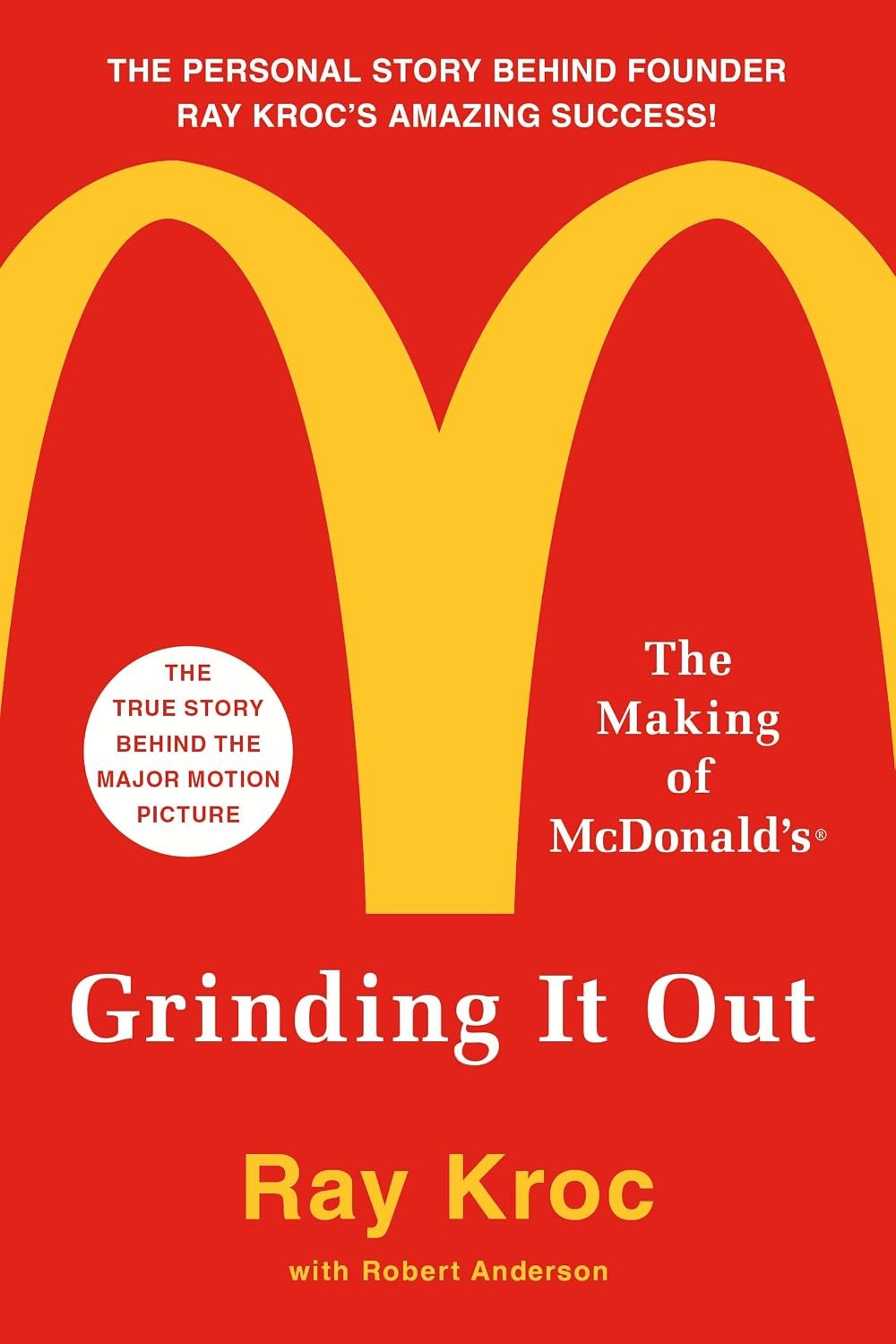
Grinding It Out earns its place here because it is strong for franchising, persistence, and scale. It shows an older, grittier version of building a business through salesmanship and systems.
Who it's for
Readers interested in classic business stories.
Why you'll like it
You will like it if you want a book with a clear point of view rather than a title that is famous for vague reasons. It gives you enough story, evidence, or practical framing to remember the idea after you close the book.
Key lessons
- Persistence matters.
- Systems enable scale.
- Opportunity can arrive late.
Pros
- Short and energetic.
- Historically interesting.
Cons
- The viewpoint is one-sided.
- Some attitudes reflect another era.
My recommendation
Read it as a classic business memoir with context. If you are choosing between several books on this page, read a sample first and notice which voice makes you want to keep going. The best recommendation is the one you will actually finish and use.
10. The Snowball by Alice Schroeder
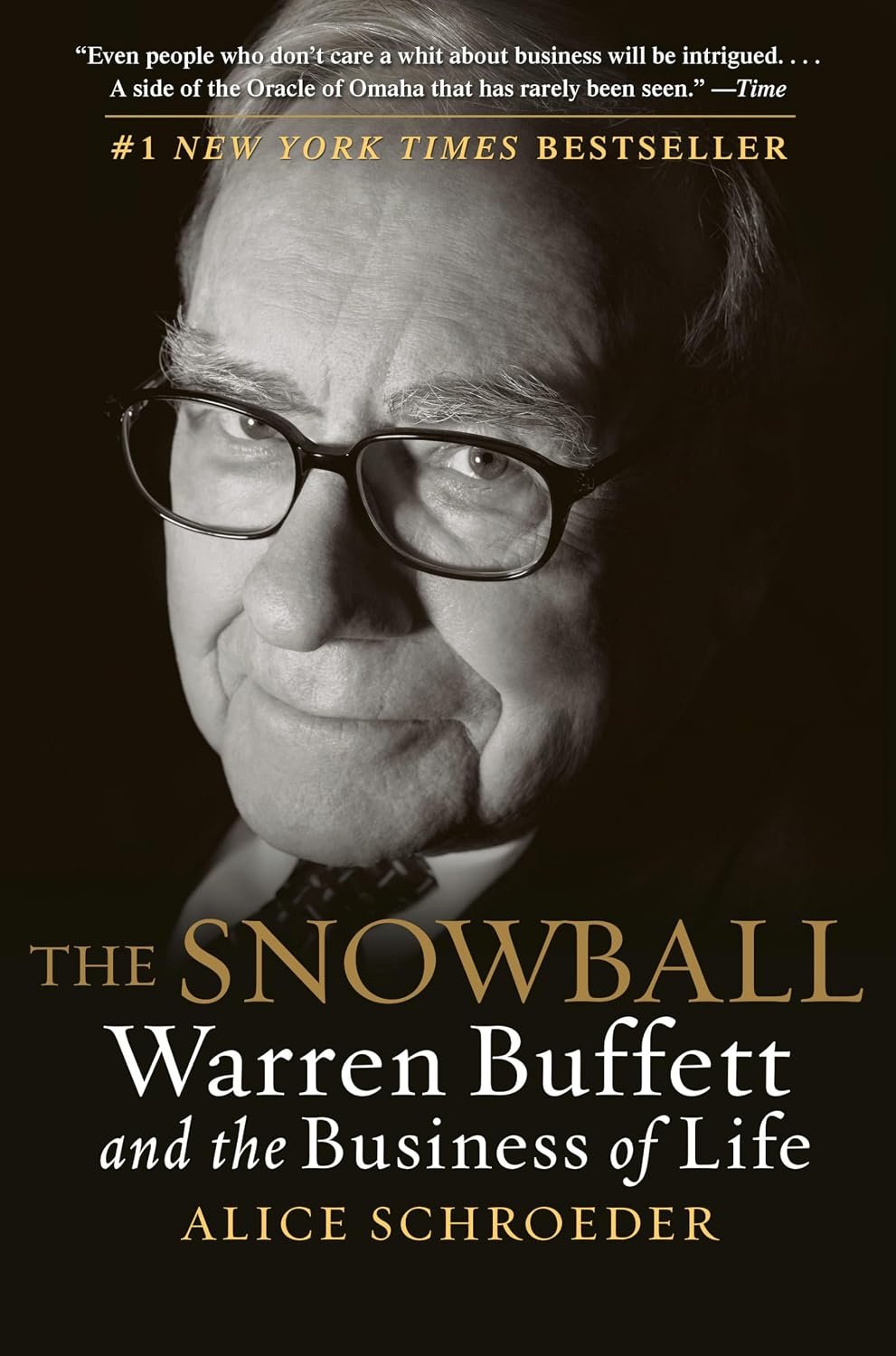
The Snowball earns its place here because it is strong for Warren Buffett's life and compounding approach. It is less scrappy than Shoe Dog but equally useful for seeing obsession, temperament, and long-term thinking.
Who it's for
Readers who want biography with investing and life lessons.
Why you'll like it
You will like it if you want a book with a clear point of view rather than a title that is famous for vague reasons. It gives you enough story, evidence, or practical framing to remember the idea after you close the book.
Key lessons
- Temperament compounds.
- Reputation matters.
- Patience can be strategic.
Pros
- Deep and substantial.
- Excellent portrait of long-term thinking.
Cons
- Very long.
- More finance-heavy than Shoe Dog.
My recommendation
Read it when you want a slow-burn biography rather than a startup sprint. If you are choosing between several books on this page, read a sample first and notice which voice makes you want to keep going. The best recommendation is the one you will actually finish and use.
Which Book Should You Read Next?
Read Steve Jobs next if you want another intimate founder portrait. Pick The Everything Store if you want a bigger company-building case study with strategy, intensity, and tradeoffs. If two books are competing for your attention, choose the one that matches your current problem, not the one with the biggest reputation. Reading at the right moment is often what makes a book feel transformative.