10 Best Books Like The 7 Habits of Highly Effective People
The 7 Habits remains powerful because it is not only about getting more done. It asks who you are becoming while you work, lead, listen, choose, and recover. The best books to read next should deepen one of those habits: proactivity, priority, empathy, renewal, or the quiet discipline of living from principles.
This guide follows the Book Readers Hub standard: useful recommendations, honest limitations, quick picks for busy readers, and enough detail to help you choose the right next book without opening ten tabs.
Quick Picks
- Best overall follow-up: Essentialism
- Best for habits: Atomic Habits
- Best for relationships: How to Win Friends and Influence People
- Best for focus: Deep Work
Comparison Table
| Book | Best For | Why It Stands Out |
|---|---|---|
| 1. Essentialism | Choosing the vital few | Overcommitted readers who want a calmer, more deliberate life. |
| 2. Atomic Habits | Small systems that support identity | Readers who know what matters but struggle to repeat it. |
| 3. The ONE Thing | Priority and leverage | Readers with too many goals competing for attention. |
| 4. How to Win Friends and Influence People | Everyday relational skill | Readers who want better conversations at work and home. |
| 5. Deep Work | Protecting concentration | Knowledge workers overwhelmed by shallow urgency. |
| 6. Mindset | Growth-oriented learning | Readers rebuilding courage after failure. |
| 7. Crucial Conversations | High-stakes dialogue | Anyone avoiding a difficult conversation. |
| 8. Man's Search for Meaning | Meaning under hardship | Readers asking bigger questions about purpose. |
| 9. The Gifts of Imperfection | Courage, shame, and wholeheartedness | Perfectionists and people-pleasers. |
| 10. The Power of Full Engagement | Energy and renewal | Readers who are productive but depleted. |
How I Chose These Books
I looked for books that have a durable reason to be recommended: a useful framework, a memorable story, a strong reputation among readers, or a perspective that adds something new to the topic. I avoided filling the list with near-duplicates, because ten books that say the same thing do not help you choose.
I also considered readability. These articles are meant for real readers, including mobile readers, so each recommendation explains who the book is for, why it works, and where it may not be the best fit. A good book list should save you time, not just create a longer wishlist.
1. Essentialism by Greg McKeown
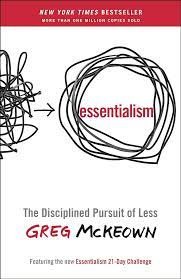
Essentialism earns its place here because it is strong for choosing the vital few. It gives modern language to Covey's priority habit and helps readers stop saying yes by reflex.
Who it's for
Overcommitted readers who want a calmer, more deliberate life.
Why you'll like it
You will like it if you want a book with a clear point of view rather than a title that is famous for vague reasons. It gives you enough story, evidence, or practical framing to remember the idea after you close the book.
Key lessons
- Every yes spends attention.
- Tradeoffs are real.
- Clarity makes courage easier.
Pros
- Practical and elegant.
- Excellent for busy professionals.
Cons
- Harder to apply with little schedule control.
- Can sound simple until tested.
My recommendation
Start here if your life is full but not focused. If you are choosing between several books on this page, read a sample first and notice which voice makes you want to keep going. The best recommendation is the one you will actually finish and use.
2. Atomic Habits by James Clear
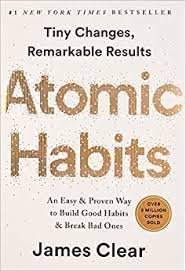
Atomic Habits earns its place here because it is strong for small systems that support identity. It brings daily behavior design to the values and habits Covey talks about.
Who it's for
Readers who know what matters but struggle to repeat it.
Why you'll like it
You will like it if you want a book with a clear point of view rather than a title that is famous for vague reasons. It gives you enough story, evidence, or practical framing to remember the idea after you close the book.
Key lessons
- Environment shapes behavior.
- Identity supports consistency.
- Tiny improvements compound.
Pros
- Extremely practical.
- Easy to apply immediately.
Cons
- Less philosophical than Covey.
- Can feel familiar if you read many habit books.
My recommendation
Read it when you need your calendar to reflect your principles. If you are choosing between several books on this page, read a sample first and notice which voice makes you want to keep going. The best recommendation is the one you will actually finish and use.
3. The ONE Thing by Gary Keller and Jay Papasan
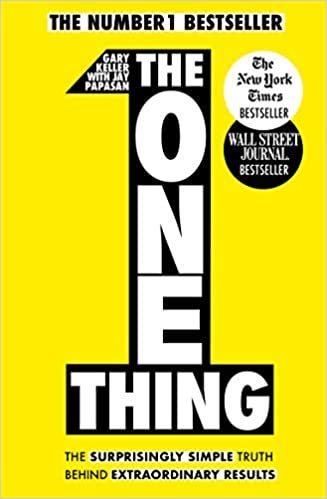
The ONE Thing earns its place here because it is strong for priority and leverage. It sharpens the habit of putting first things first into one unforgettable focusing question.
Who it's for
Readers with too many goals competing for attention.
Why you'll like it
You will like it if you want a book with a clear point of view rather than a title that is famous for vague reasons. It gives you enough story, evidence, or practical framing to remember the idea after you close the book.
Key lessons
- Not all tasks matter equally.
- Focus creates leverage.
- Success often follows subtraction.
Pros
- Simple and memorable.
- Good for planning.
Cons
- Can underplay complex life roles.
- Best with judgment.
My recommendation
Use it when your day needs one clear center. If you are choosing between several books on this page, read a sample first and notice which voice makes you want to keep going. The best recommendation is the one you will actually finish and use.
4. How to Win Friends and Influence People by Dale Carnegie
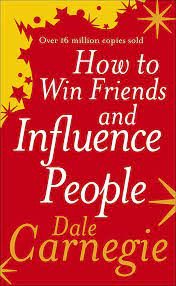
How to Win Friends and Influence People earns its place here because it is strong for everyday relational skill. It supports Seek First to Understand with practical listening, warmth, and respect.
Who it's for
Readers who want better conversations at work and home.
Why you'll like it
You will like it if you want a book with a clear point of view rather than a title that is famous for vague reasons. It gives you enough story, evidence, or practical framing to remember the idea after you close the book.
Key lessons
- Interest beats impressiveness.
- People want to feel respected.
- Criticism rarely opens hearts.
Pros
- Readable and timeless.
- Immediately useful.
Cons
- Examples are dated.
- Needs sincere application.
My recommendation
Read it for small social habits that change relationships. If you are choosing between several books on this page, read a sample first and notice which voice makes you want to keep going. The best recommendation is the one you will actually finish and use.
5. Deep Work by Cal Newport
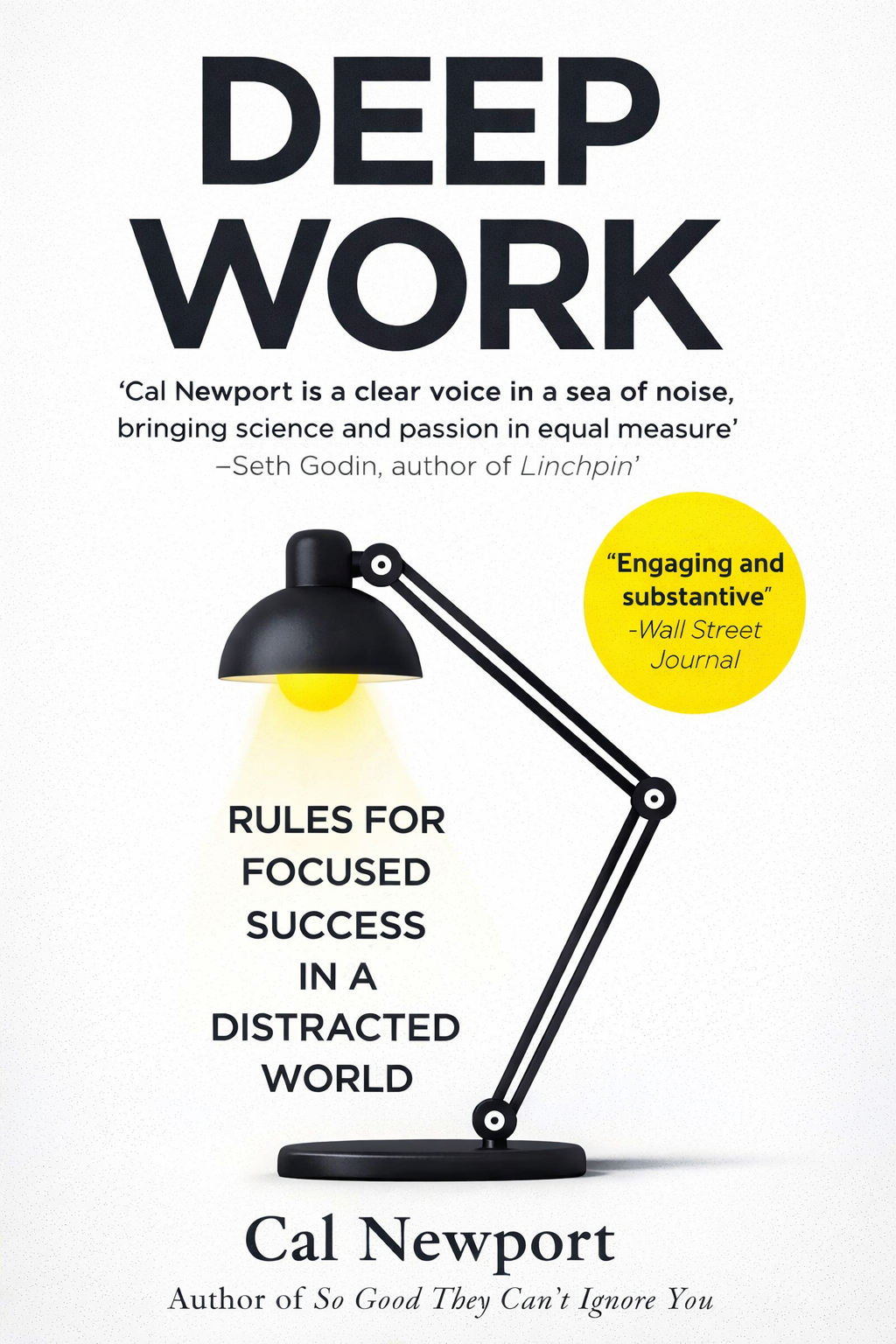
Deep Work earns its place here because it is strong for protecting concentration. It adds a serious attention practice to personal effectiveness.
Who it's for
Knowledge workers overwhelmed by shallow urgency.
Why you'll like it
You will like it if you want a book with a clear point of view rather than a title that is famous for vague reasons. It gives you enough story, evidence, or practical framing to remember the idea after you close the book.
Key lessons
- Focus is a competitive skill.
- Distraction has hidden costs.
- Depth needs scheduling.
Pros
- Clear and motivating.
- Strong productivity argument.
Cons
- Some jobs allow less autonomy.
- Can feel strict.
My recommendation
Read it if your best thinking is being crowded out. If you are choosing between several books on this page, read a sample first and notice which voice makes you want to keep going. The best recommendation is the one you will actually finish and use.
6. Mindset by Carol S. Dweck
Mindset earns its place here because it is strong for growth-oriented learning. It strengthens proactivity by showing how beliefs about ability affect effort and resilience.
Who it's for
Readers rebuilding courage after failure.
Why you'll like it
You will like it if you want a book with a clear point of view rather than a title that is famous for vague reasons. It gives you enough story, evidence, or practical framing to remember the idea after you close the book.
Key lessons
- Abilities can develop.
- Feedback is information.
- Failure can become data.
Pros
- Accessible and influential.
- Useful for parents and leaders.
Cons
- Often oversimplified.
- Research debates exist around application.
My recommendation
Read it as a lens for learning, not a slogan. If you are choosing between several books on this page, read a sample first and notice which voice makes you want to keep going. The best recommendation is the one you will actually finish and use.
7. Crucial Conversations by Kerry Patterson, Joseph Grenny, Ron McMillan, and Al Switzler
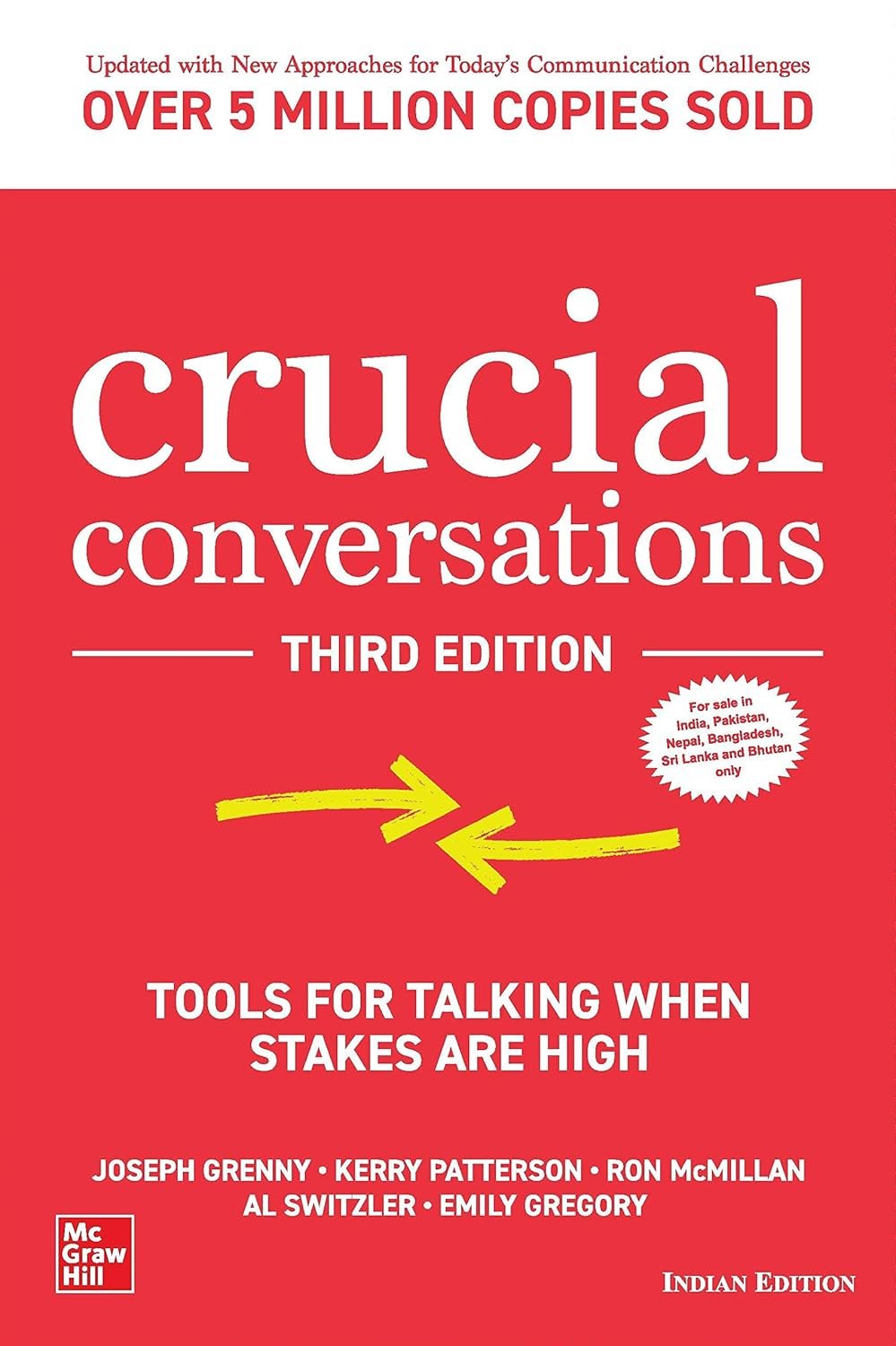
Crucial Conversations earns its place here because it is strong for high-stakes dialogue. It turns empathy and mutual benefit into behavior during tense conversations.
Who it's for
Anyone avoiding a difficult conversation.
Why you'll like it
You will like it if you want a book with a clear point of view rather than a title that is famous for vague reasons. It gives you enough story, evidence, or practical framing to remember the idea after you close the book.
Key lessons
- Safety comes before persuasion.
- Shared purpose lowers defense.
- Silence and aggression both harm trust.
Pros
- Very practical.
- Great for workplaces and families.
Cons
- Takes practice.
- Can feel formulaic at first.
My recommendation
Read it before the conversation you keep postponing. If you are choosing between several books on this page, read a sample first and notice which voice makes you want to keep going. The best recommendation is the one you will actually finish and use.
8. Man's Search for Meaning by Viktor E. Frankl
Man's Search for Meaning earns its place here because it is strong for meaning under hardship. It deepens Covey's principle-centered life with a profound meditation on responsibility.
Who it's for
Readers asking bigger questions about purpose.
Why you'll like it
You will like it if you want a book with a clear point of view rather than a title that is famous for vague reasons. It gives you enough story, evidence, or practical framing to remember the idea after you close the book.
Key lessons
- Meaning can be chosen in response.
- Responsibility gives life shape.
- Circumstances do not own the whole self.
Pros
- Short and profound.
- Emotionally grounding.
Cons
- Heavy subject matter.
- Not a productivity book.
My recommendation
Read it when effectiveness needs to reconnect with meaning. If you are choosing between several books on this page, read a sample first and notice which voice makes you want to keep going. The best recommendation is the one you will actually finish and use.
9. The Gifts of Imperfection by Brene Brown
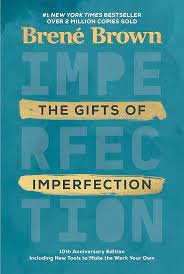
The Gifts of Imperfection earns its place here because it is strong for courage, shame, and wholeheartedness. It helps readers stop building effectiveness on approval-seeking.
Who it's for
Perfectionists and people-pleasers.
Why you'll like it
You will like it if you want a book with a clear point of view rather than a title that is famous for vague reasons. It gives you enough story, evidence, or practical framing to remember the idea after you close the book.
Key lessons
- Shame thrives in secrecy.
- Belonging requires authenticity.
- Courage is practiced.
Pros
- Warm and human.
- Helpful for self-acceptance.
Cons
- Reflective rather than tactical.
- Tone may not fit everyone.
My recommendation
Read it if achievement has become armor. If you are choosing between several books on this page, read a sample first and notice which voice makes you want to keep going. The best recommendation is the one you will actually finish and use.
10. The Power of Full Engagement by Jim Loehr and Tony Schwartz
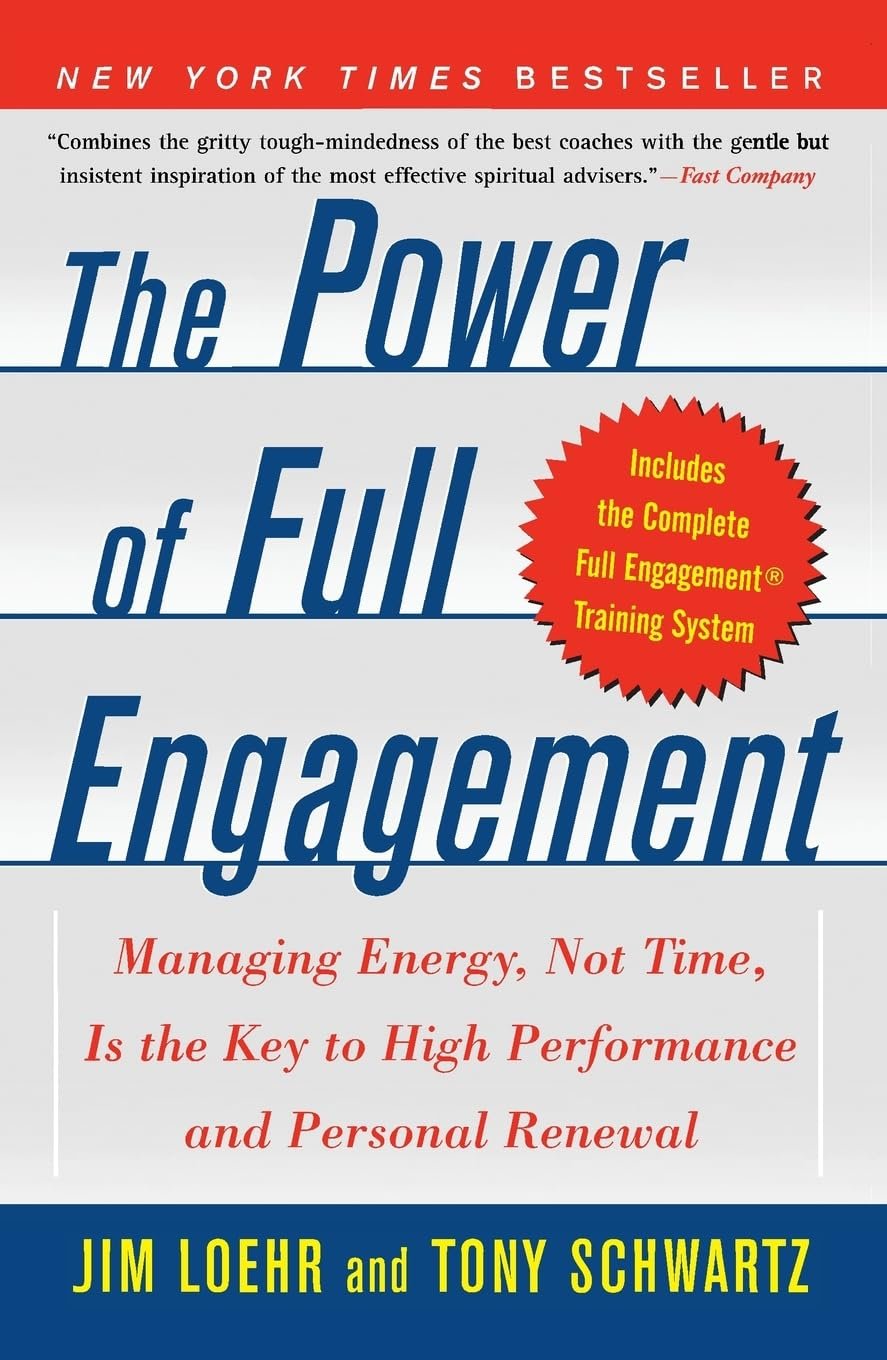
The Power of Full Engagement earns its place here because it is strong for energy and renewal. It gives Habit 7 a practical lens: effectiveness depends on managing energy, not only time.
Who it's for
Readers who are productive but depleted.
Why you'll like it
You will like it if you want a book with a clear point of view rather than a title that is famous for vague reasons. It gives you enough story, evidence, or practical framing to remember the idea after you close the book.
Key lessons
- Energy has physical, emotional, mental, and spiritual dimensions.
- Recovery supports performance.
- Rituals protect renewal.
Pros
- Useful and memorable.
- Balances productivity with recovery.
Cons
- Some repetition.
- Sports-performance framing may not fit all readers.
My recommendation
Read it when your system works but you feel worn down. If you are choosing between several books on this page, read a sample first and notice which voice makes you want to keep going. The best recommendation is the one you will actually finish and use.
Which Book Should You Read Next?
Read Essentialism next if Put First Things First stayed with you. Read Atomic Habits if your values are clear but your daily follow-through is uneven. If two books are competing for your attention, choose the one that matches your current problem, not the one with the biggest reputation. Reading at the right moment is often what makes a book feel transformative.