10 Books That Change Your Life by Changing How You See It
A book changes your life when it changes the question you ask before acting. Sometimes that happens through a practical system. Sometimes it happens through a story, a sentence, or a new way of seeing pain, money, love, time, or purpose.
This guide follows the Book Readers Hub standard: useful recommendations, honest limitations, quick picks for busy readers, and enough detail to help you choose the right next book without opening ten tabs.
Quick Picks
- Best overall: Man's Search for Meaning
- Best practical change: Atomic Habits
- Best money mindset: The Psychology of Money
- Best spiritual reset: The Alchemist
Comparison Table
| Book | Best For | Why It Stands Out |
|---|---|---|
| 1. Man's Search for Meaning | Meaning during suffering | Readers facing difficulty or searching for perspective. |
| 2. Atomic Habits | Changing behavior through systems | Readers who want practical change. |
| 3. The Psychology of Money | Money, patience, and enough | Readers wanting calmer money decisions. |
| 4. The Alchemist | Dreams and personal calling | Readers wanting a gentle push. |
| 5. Meditations | Self-command and perspective | Readers drawn to Stoic thinking. |
| 6. The Gifts of Imperfection | Shame, courage, and belonging | Perfectionists and people-pleasers. |
| 7. Deep Work | Attention and meaningful productivity | Knowledge workers and students. |
| 8. The Four Agreements | Simple personal freedom practices | Readers wanting a simple mindset reset. |
| 9. The Power of Now | Presence and awareness | Readers exploring mindfulness and spirituality. |
| 10. When Breath Becomes Air | Mortality, vocation, and meaning | Readers who value memoir and reflection. |
How I Chose These Books
I looked for books that have a durable reason to be recommended: a useful framework, a memorable story, a strong reputation among readers, or a perspective that adds something new to the topic. I avoided filling the list with near-duplicates, because ten books that say the same thing do not help you choose.
I also considered readability. These articles are meant for real readers, including mobile readers, so each recommendation explains who the book is for, why it works, and where it may not be the best fit. A good book list should save you time, not just create a longer wishlist.
1. Man's Search for Meaning by Viktor E. Frankl
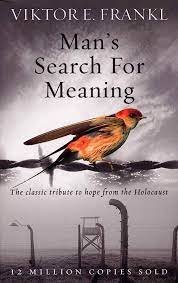
Man's Search for Meaning earns its place here because it is strong for meaning during suffering. It reframes life around responsibility rather than comfort.
Who it's for
Readers facing difficulty or searching for perspective.
Why you'll like it
You will like it if you want a book with a clear point of view rather than a title that is famous for vague reasons. It gives you enough story, evidence, or practical framing to remember the idea after you close the book.
Key lessons
- Meaning is a response.
- Suffering asks something of us.
- Inner freedom matters.
Pros
- Profound and concise.
- Deeply humane.
Cons
- Emotionally heavy.
- Not a quick mood lift.
My recommendation
Read it with time to reflect. If you are choosing between several books on this page, read a sample first and notice which voice makes you want to keep going. The best recommendation is the one you will actually finish and use.
2. Atomic Habits by James Clear
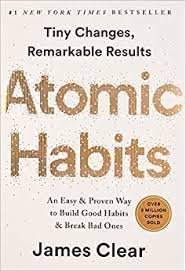
Atomic Habits earns its place here because it is strong for changing behavior through systems. It makes transformation feel small enough to begin.
Who it's for
Readers who want practical change.
Why you'll like it
You will like it if you want a book with a clear point of view rather than a title that is famous for vague reasons. It gives you enough story, evidence, or practical framing to remember the idea after you close the book.
Key lessons
- Make good habits easy.
- Identity reinforces behavior.
- Small gains compound.
Pros
- Clear and actionable.
- Excellent for rereading.
Cons
- Not a purpose book.
- Needs practice.
My recommendation
Choose it when you want your life to look different in 30 days. If you are choosing between several books on this page, read a sample first and notice which voice makes you want to keep going. The best recommendation is the one you will actually finish and use.
3. The Psychology of Money by Morgan Housel
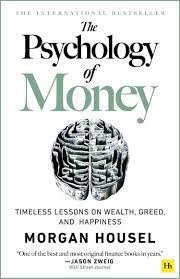
The Psychology of Money earns its place here because it is strong for money, patience, and enough. It can change financial behavior by changing the stories you believe about wealth.
Who it's for
Readers wanting calmer money decisions.
Why you'll like it
You will like it if you want a book with a clear point of view rather than a title that is famous for vague reasons. It gives you enough story, evidence, or practical framing to remember the idea after you close the book.
Key lessons
- Behavior beats spreadsheets.
- Enough protects happiness.
- Risk and luck are real.
Pros
- Practical and wise.
- Accessible chapters.
Cons
- Not a detailed investing plan.
- Mostly conceptual.
My recommendation
Read it before making big financial changes. If you are choosing between several books on this page, read a sample first and notice which voice makes you want to keep going. The best recommendation is the one you will actually finish and use.
4. The Alchemist by Paulo Coelho
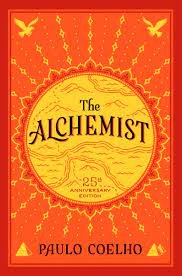
The Alchemist earns its place here because it is strong for dreams and personal calling. It gives many readers permission to listen to a quiet longing they have postponed.
Who it's for
Readers wanting a gentle push.
Why you'll like it
You will like it if you want a book with a clear point of view rather than a title that is famous for vague reasons. It gives you enough story, evidence, or practical framing to remember the idea after you close the book.
Key lessons
- Fear blocks the path.
- The journey teaches.
- Attention reveals signs.
Pros
- Simple and hopeful.
- Beginner-friendly.
Cons
- Too simple for some readers.
- Fable style.
My recommendation
Read it when you need encouragement more than instruction. If you are choosing between several books on this page, read a sample first and notice which voice makes you want to keep going. The best recommendation is the one you will actually finish and use.
5. Meditations by Marcus Aurelius
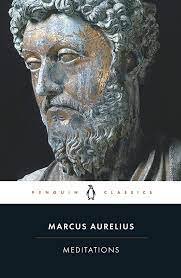
Meditations earns its place here because it is strong for self-command and perspective. Its short reflections help readers separate what they control from what they do not.
Who it's for
Readers drawn to Stoic thinking.
Why you'll like it
You will like it if you want a book with a clear point of view rather than a title that is famous for vague reasons. It gives you enough story, evidence, or practical framing to remember the idea after you close the book.
Key lessons
- Control your judgments.
- Act with integrity.
- Remember impermanence.
Pros
- Timeless and rereadable.
- Good in small doses.
Cons
- Not structured as a modern book.
- Translation matters.
My recommendation
Keep it nearby for difficult days. If you are choosing between several books on this page, read a sample first and notice which voice makes you want to keep going. The best recommendation is the one you will actually finish and use.
6. The Gifts of Imperfection by Brene Brown
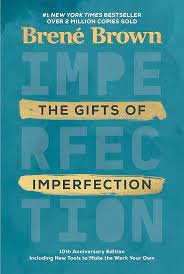
The Gifts of Imperfection earns its place here because it is strong for shame, courage, and belonging. It helps readers stop confusing approval with worth.
Who it's for
Perfectionists and people-pleasers.
Why you'll like it
You will like it if you want a book with a clear point of view rather than a title that is famous for vague reasons. It gives you enough story, evidence, or practical framing to remember the idea after you close the book.
Key lessons
- Authenticity takes courage.
- Shame needs secrecy.
- Belonging begins with self-respect.
Pros
- Warm and honest.
- Emotionally useful.
Cons
- Reflective more than tactical.
- Not for every style.
My recommendation
Read it if your success feels tense. If you are choosing between several books on this page, read a sample first and notice which voice makes you want to keep going. The best recommendation is the one you will actually finish and use.
7. Deep Work by Cal Newport
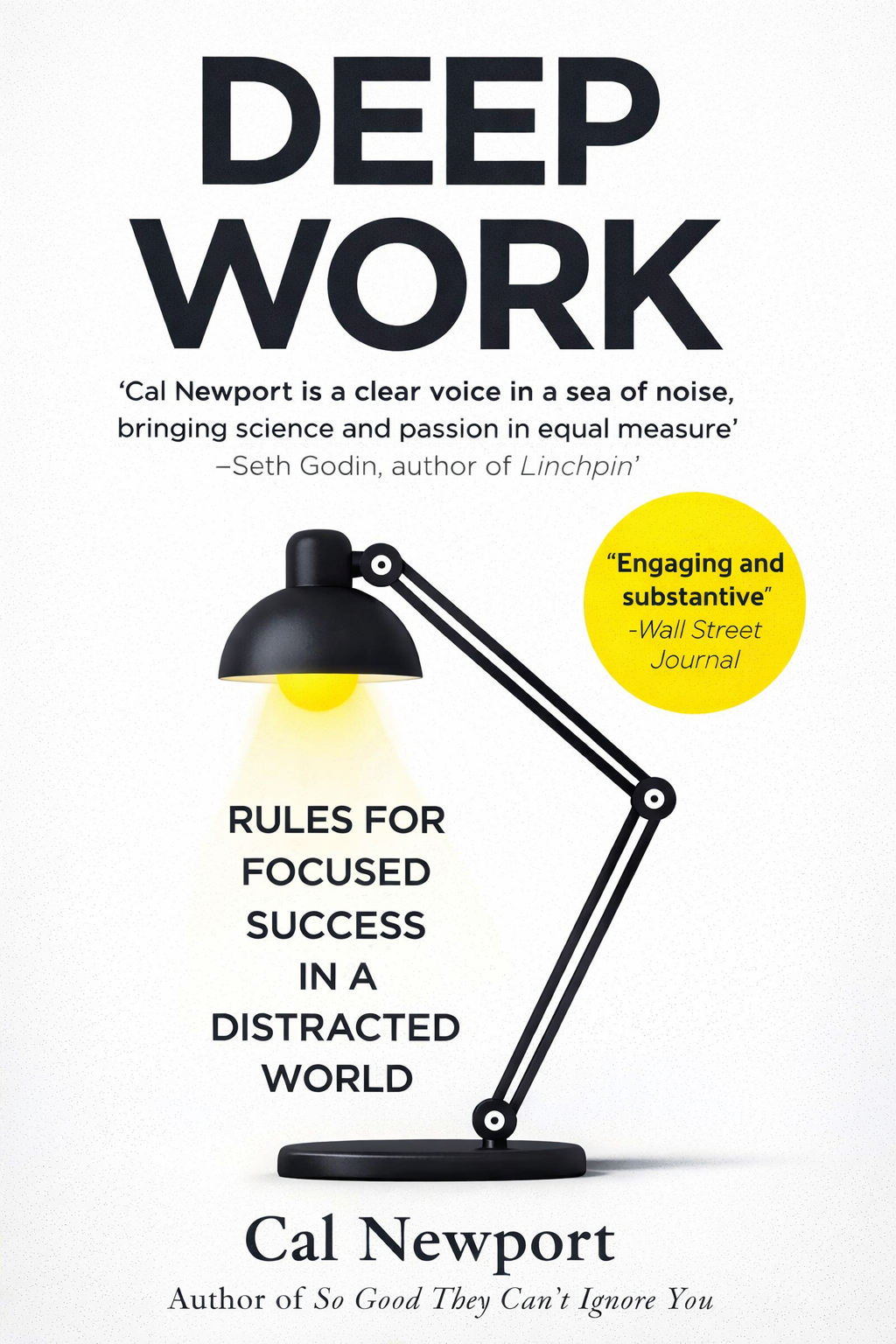
Deep Work earns its place here because it is strong for attention and meaningful productivity. It can change how you protect your mind in a distracted world.
Who it's for
Knowledge workers and students.
Why you'll like it
You will like it if you want a book with a clear point of view rather than a title that is famous for vague reasons. It gives you enough story, evidence, or practical framing to remember the idea after you close the book.
Key lessons
- Focus is valuable.
- Shallow work expands.
- Depth needs rituals.
Pros
- Clear and motivating.
- Useful for work.
Cons
- Strict for some schedules.
- Less emotional.
My recommendation
Read it when your attention feels borrowed by everyone else. If you are choosing between several books on this page, read a sample first and notice which voice makes you want to keep going. The best recommendation is the one you will actually finish and use.
8. The Four Agreements by Don Miguel Ruiz
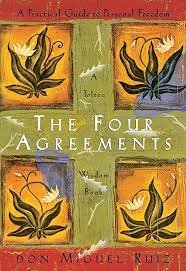
The Four Agreements earns its place here because it is strong for simple personal freedom practices. Its ideas are easy to remember in the middle of daily conflict.
Who it's for
Readers wanting a simple mindset reset.
Why you'll like it
You will like it if you want a book with a clear point of view rather than a title that is famous for vague reasons. It gives you enough story, evidence, or practical framing to remember the idea after you close the book.
Key lessons
- Be careful with words.
- Do not personalize everything.
- Ask instead of assuming.
Pros
- Memorable and short.
- Easy to test.
Cons
- Broad and spiritual.
- Can feel simplified.
My recommendation
Use it as a daily behavior check. If you are choosing between several books on this page, read a sample first and notice which voice makes you want to keep going. The best recommendation is the one you will actually finish and use.
9. The Power of Now by Eckhart Tolle
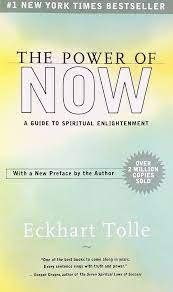
The Power of Now earns its place here because it is strong for presence and awareness. It invites readers to notice how much suffering is created by living entirely in mental time.
Who it's for
Readers exploring mindfulness and spirituality.
Why you'll like it
You will like it if you want a book with a clear point of view rather than a title that is famous for vague reasons. It gives you enough story, evidence, or practical framing to remember the idea after you close the book.
Key lessons
- Presence interrupts rumination.
- You are not every thought.
- Awareness changes experience.
Pros
- Calming for many readers.
- Deeply reflective.
Cons
- Abstract in places.
- Spiritual language may not fit all.
My recommendation
Read slowly and practice, do not merely underline. If you are choosing between several books on this page, read a sample first and notice which voice makes you want to keep going. The best recommendation is the one you will actually finish and use.
10. When Breath Becomes Air by Paul Kalanithi
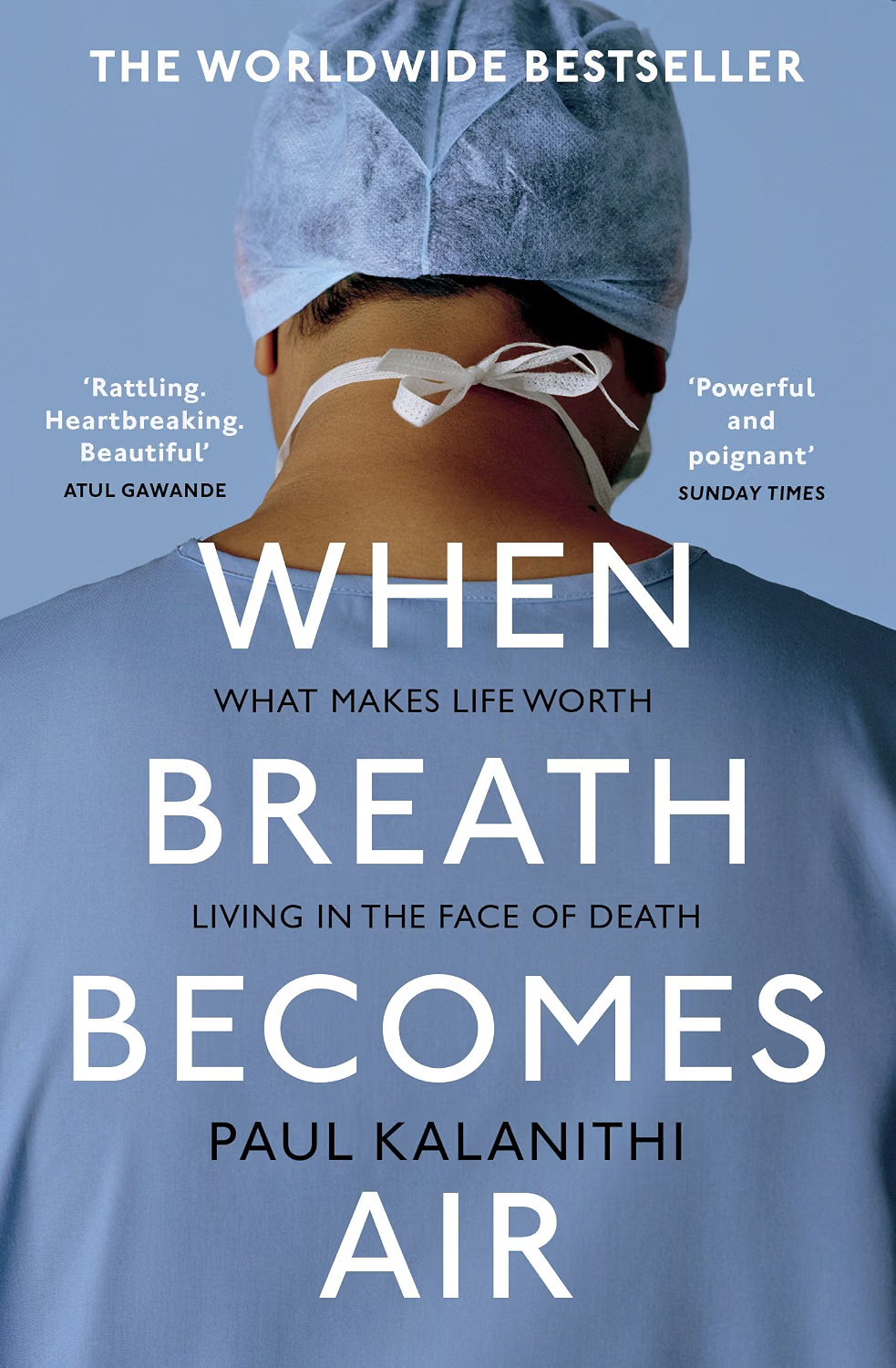
When Breath Becomes Air earns its place here because it is strong for mortality, vocation, and meaning. It reminds readers that achievement and a meaningful life are not the same question.
Who it's for
Readers who value memoir and reflection.
Why you'll like it
You will like it if you want a book with a clear point of view rather than a title that is famous for vague reasons. It gives you enough story, evidence, or practical framing to remember the idea after you close the book.
Key lessons
- Mortality clarifies priorities.
- Work and identity intertwine.
- Love remains central.
Pros
- Beautiful and moving.
- Unforgettable memoir.
Cons
- Heartbreaking.
- Short but intense.
My recommendation
Read it when you need life to feel immediate again. If you are choosing between several books on this page, read a sample first and notice which voice makes you want to keep going. The best recommendation is the one you will actually finish and use.
Which Book Should You Read Next?
Read Atomic Habits if you want action this week. Read Man's Search for Meaning if the question is deeper and you need perspective more than tactics. If two books are competing for your attention, choose the one that matches your current problem, not the one with the biggest reputation. Reading at the right moment is often what makes a book feel transformative.