10 Books to Read in Your 30s
Your thirties are often the decade when life feels heavier, clearer, and more demanding all at once. You are building more than a career. You are shaping a life: your habits, your responsibilities, your standards, and your sense of what matters enough to protect.
That is why this list is focused on books that help with tradeoffs, identity, focus, health, and meaning. The goal is to read books that fit the real challenges of this decade, not just books that look impressive on a shelf.
Quick Picks
- Best overall: Essentialism
- Best for money: The Psychology of Money
- Best for leadership and discipline: The 7 Habits of Highly Effective People
- Best for meaning: Man's Search for Meaning
Comparison Table
| Book | Best For | Best Match | Difficulty |
|---|---|---|---|
| 1. Essentialism | Prioritizing what matters | Readers feeling stretched and overcommitted | Easy |
| 2. The Psychology of Money | Financial decision-making | Readers ready to take money seriously | Easy |
| 3. The 7 Habits of Highly Effective People | Leadership and character | Readers taking on more responsibility | Moderate |
| 4. Atomic Habits | Behavior change | Readers who need more consistent routines | Easy |
| 5. Deep Work | Focus and quality | Readers feeling distracted and overstimulated | Moderate |
| 6. Man's Search for Meaning | Meaning and perspective | Readers asking what matters when life gets heavier | Moderate |
| 7. The Gifts of Imperfection | Self-compassion | Readers tired of perfectionism and guilt | Easy |
| 8. Why We Sleep | Health and recovery | Readers noticing burnout and lower energy | Easy |
| 9. Educated | Identity and learning | Readers rethinking who they are and how they grew | Moderate |
| 10. Meditations | Inner discipline | Readers needing calm, focus, and steadiness | Moderate |
How I Chose These Books
I chose books that cover different kinds of maturity: focus, money, relationships, self-acceptance, health, and meaning. The thirties are not the decade to keep collecting vague advice. They are the decade to read books that make your life more intentional.
I also wanted variety. A strong thirties list should not just be a stack of productivity books. It should help you think more clearly about what you are building, what you are protecting, and what kind of life can actually sustain you.
1. Essentialism by Greg McKeown
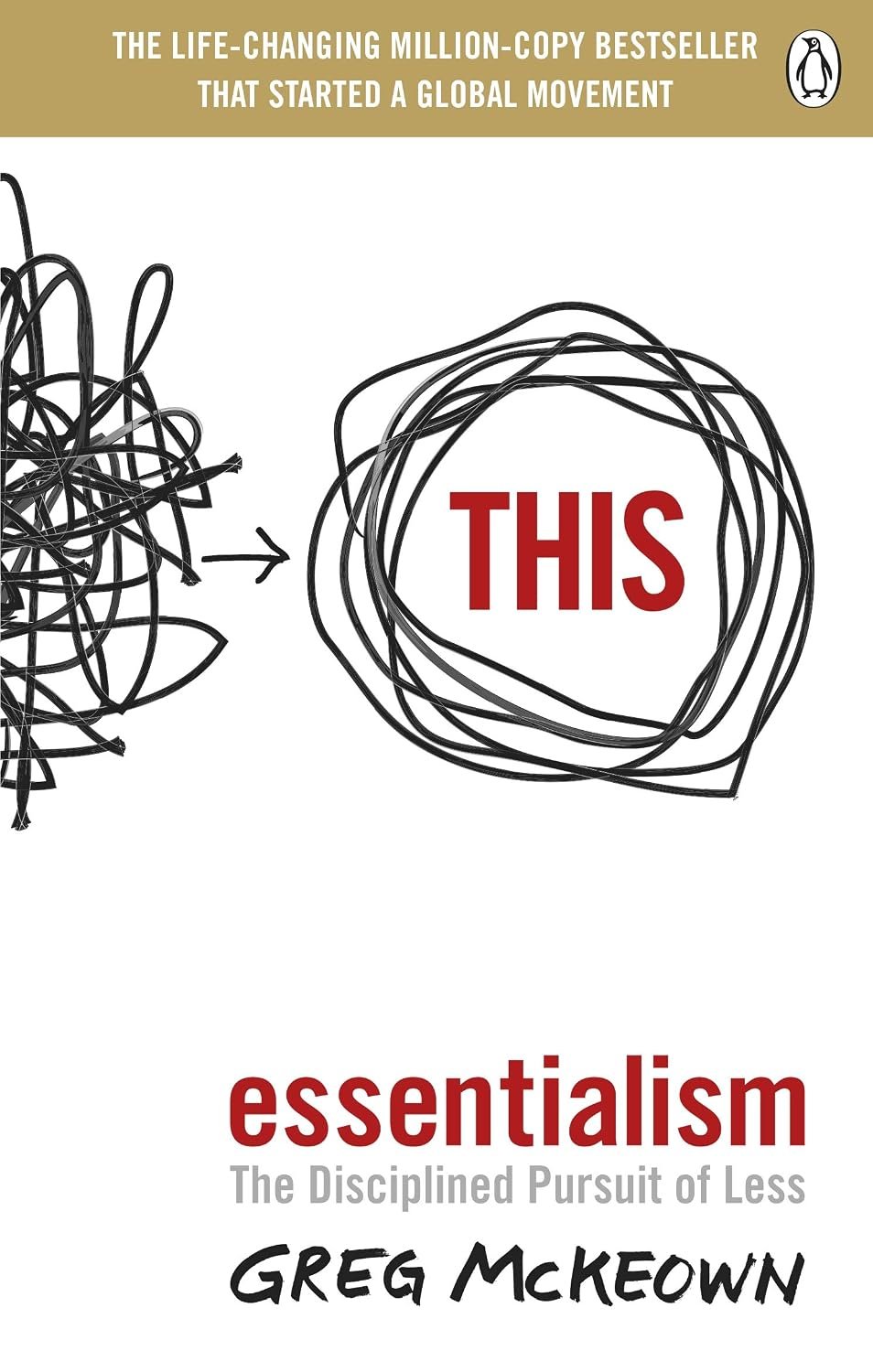
Essentialism is the right starting point for the thirties because this decade often forces you to make tradeoffs in a more serious way. Work gets louder, life gets fuller, and vague ambition becomes expensive. This book helps you protect time, attention, and energy for the things that actually matter.
Who it's for
Readers who feel stretched, busy, and unable to tell what deserves their attention.
Why you'll like it
It is practical without being cynical. It helps you think clearly about what to say no to so your yes can mean something.
Key lessons
- Not everything deserves your time.
- Meaningful life-building requires deliberate exclusion.
- Less is often more when you are trying to build something durable.
Pros
- Highly relevant for busy adults.
- Easy to apply to work, family, and personal priorities.
Cons
- Some readers want a more emotionally nuanced approach.
- It requires you to be honest about your limits.
My recommendation
Read this if your life feels full but not necessarily aligned. It is one of the clearest books for sorting the signal from the noise.
2. The Psychology of Money by Morgan Housel
In your thirties, money is no longer abstract. It becomes part of housing, family planning, debt, saving, and the kind of life you can actually sustain. This book helps you understand the psychology behind those decisions instead of pretending financial choices are purely rational.
Who it's for
Readers who want calmer confidence around money and a more mature framework for long-term decisions.
Why you'll like it
It gives you the kind of perspective that makes your financial habits feel more grounded. It is less about chasing wealth and more about building a life that does not need constant financial chaos.
Key lessons
- Behavior matters more than perfect knowledge.
- Saving, patience, and low-stress decisions often matter more than clever moves.
- Financial peace usually comes from consistency, not dramatic gains.
Pros
- Clear, readable, and highly useful.
- Good for people dealing with real-life financial pressure.
Cons
- It is not a deep investing manual.
- Readers looking for advanced strategy may need a second resource.
My recommendation
Read this when you want a better emotional and behavioral relationship with money before your financial habits become harder to change.
3. The 7 Habits of Highly Effective People by Stephen R. Covey
By the thirties, responsibility is often no longer abstract. It shows up in work, relationships, and personal leadership. This book is still valuable because it gives a stable framework for living well under pressure without becoming reactive.
Who it's for
Readers managing more responsibility and wanting a clearer model for personal effectiveness.
Why you'll like it
The book is broad, but its core idea is simple and powerful: effective living begins with character, principles, and habits that help you act with steadiness rather than panic.
Key lessons
- Leadership starts with self-mastery.
- Private habits shape public outcomes.
- Long-term effectiveness requires principles, not just productivity tricks.
Pros
- Strong framework for personal and professional growth.
- Useful for readers who want a more grounded system.
Cons
- It can feel dated in places.
- Some readers need a more concise or more modern take.
My recommendation
Read this when you are ready to move beyond short-term productivity and think seriously about principles.
4. Atomic Habits by James Clear
Atomic Habits is a perfect thirties companion because it helps you build habits that support a life you can sustain. It is not just a productivity book. It is a practical way to make a complex life more manageable through routines that reduce friction and improve consistency.
Who it's for
Readers who want steadier routines, healthier patterns, and more control over daily momentum.
Why you'll like it
This book is useful because it turns abstract intention into a system. You no longer have to depend on willpower in the moment. You design the environment and the tendency that makes good choices easier.
Key lessons
- Small actions shape long-term identity.
- Good systems work even when motivation is low.
- Easy wins build credibility with yourself.
Pros
- Actionable and encouraging.
- Useful across health, work, creativity, and home life.
Cons
- It can feel repetitive if you already know the basics.
- It works best when paired with self-awareness and clear goals.
My recommendation
Read it if your life feels full but not structured, and you want better systems without feeling overwhelmed.
5. Deep Work by Cal Newport
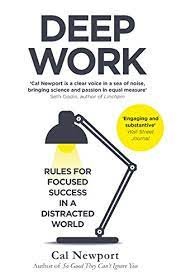
The thirties are when attention becomes a real asset. You cannot keep doing everything at once and still expect your work to deepen. Deep Work argues that meaningful output requires focus, not more frantic effort.
Who it's for
Readers whose work and responsibilities are growing but whose attention is being pulled in every direction.
Why you'll like it
If your days feel fragmented, this book helps you reframe your work as something that needs structure and intent. It is not just about being productive. It is about being useful, precise, and steady.
Key lessons
- Focus is a competitive advantage.
- Shallow work can consume the day while leaving the important work unfinished.
- Attention is a skill you can build with rituals and boundaries.
Pros
- Excellent for complex work and creative output.
- Matches the realities of a demanding decade.
Cons
- It requires intentional behavior change.
- Some readers may feel the advice is hard to apply in a busy household.
My recommendation
Read this if you are tired of feeling busy without making meaningful progress.
6. Man's Search for Meaning by Viktor E. Frankl
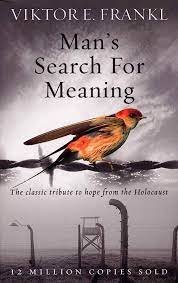
In the thirties, it is common to feel the weight of responsibility without always feeling the clarity of purpose. This book is valuable because it asks a deeper question: what do you choose to stand for when life becomes heavier than the vision you started with?
Who it's for
Readers asking what matters most when they are carrying more responsibility and less fantasy about life.
Why you'll like it
It is not a shallow motivation book. It reminds you that meaning is not created by productivity alone. It is created by your response to reality and by the life you decide to live inside it.
Key lessons
- Meaning often appears in how you respond, not only in what you achieve.
- Suffering can clarify what truly matters.
- Purpose is stronger than mood and more durable than hype.
Pros
- Profound and timeless.
- Helps put ambition in perspective.
Cons
- It can feel emotionally heavy.
- Readers looking for pure strategy may find it more reflective than practical.
My recommendation
Read this if you want a deeper, calmer sense of purpose than status and output can offer.
7. The Gifts of Imperfection by Brené Brown
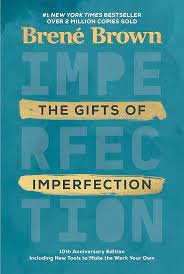
This is a good fit for the thirties because many adults in this decade are tired of performing constant competence. The Gifts of Imperfection offers a healthier framework for self-worth, honesty, and emotional resilience, especially when life feels demanding.
Who it's for
Readers who are tired of perfectionism, guilt, or the feeling that they are always behind.
Why you'll like it
The book is gentle but not soft. It helps you stop treating your worth as something you earn through productivity and start living more honestly, with boundaries and self-compassion.
Key lessons
- Perfectionism often hides shame and fear.
- Belonging begins with honest self-acceptance.
- Real living requires courage, vulnerability, and boundaries.
Pros
- Useful for emotional resilience.
- Helps relieve pressure in a demanding life stage.
Cons
- Some readers want more actionability.
- Its tone is gentle rather than hard-edged.
My recommendation
Read it if you are carrying too much self-criticism and need a more honest, sustainable standard for yourself.
8. Why We Sleep by Matthew Walker
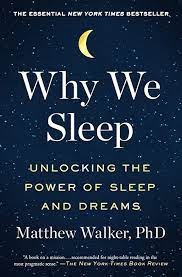
Sleep is one of the easiest things to neglect in the thirties, which is exactly why it matters so much. Why We Sleep is a strong choice for readers who are feeling depleted, reactive, or increasingly aware that exhaustion is bleeding into their work and relationships.
Who it's for
Readers dealing with burnout, poor energy, low focus, or a sense that they are running on fumes.
Why you'll like it
The book turns sleep into a serious life strategy rather than something you “wish you had time for.” It makes the connection between recovery, mood, performance, and long-term health impossible to ignore.
Key lessons
- Sleep is not a luxury. It is a performance tool and a health foundation.
- Recovery influences mood, creativity, and decision-making.
- Good habits support sleep, and sleep supports every other habit.
Pros
- Highly relevant for adult life.
- Clear, science-backed, and practical.
Cons
- It can make you feel guilty if your habits are poor.
- It works best if you are ready to change your schedule.
My recommendation
Read this if you want better energy, sharper thinking, and a healthier foundation for everything else.
9. Educated by Tara Westover
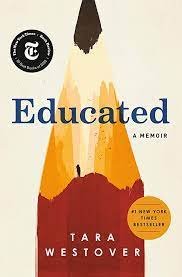
Educated is a powerful read for the thirties because it sits at the intersection of identity, learning, and self-invention. It reminds you that becoming more educated is not just about credentials. It is about the stories you inherit, the lives you want to build, and the courage to leave old versions of yourself behind.
Who it's for
Readers who are rethinking what it means to grow, learn, and become more fully themselves.
Why you'll like it
It is compelling partly because it is so human. It shows how learning transforms someone’s sense of reality and opens the door to a life built with more intention.
Key lessons
- Identity is not fixed by your past.
- Learning changes how you see yourself and your options.
- Self-reinvention can be painful, but it is also real.
Pros
- Deeply memorable and human.
- Useful for readers thinking about growth, family, and identity.
Cons
- It is emotionally intense.
- Readers wanting a practical framework may need a second book.
My recommendation
Read this when you are reflecting on your own life story and wanting a powerful example of what transformation can look like.
10. Meditations by Marcus Aurelius
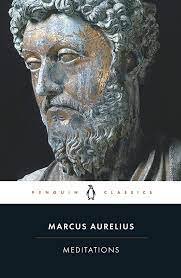
Meditations is a classic for a reason. It gives you clarity in the exact places adult life is often confusing: ego, ambition, stress, responsibility, and the difference between what you can control and what you cannot.
Who it's for
Readers looking for a calmer, more grounded approach to life under pressure.
Why you'll like it
The book is short in the sense that it is compact, but its ideas are deep and lasting. It is especially useful when you want a perspective that helps you stay steady in the middle of a demanding season.
Key lessons
- Most stress comes from our judgments, not only our circumstances.
- Character matters more than external success.
- Discipline is often a form of inner freedom.
Pros
- Timeless wisdom.
- Powerful for readers who want steadiness and perspective.
Cons
- It is not a fast or easy read.
- Some sections feel more philosophical than immediately practical.
My recommendation
Read it when you want to keep your inner life from being shaped by noise, ego, and urgency.
Which Book Should You Read Next?
Start with Essentialism if your life feels crowded. Start with The Psychology of Money if money feels more serious than it used to. The best book for your thirties is the one that matches the challenge you are facing right now, not the one with the biggest reputation.