10 Books to Read in Your 40s
Your forties often bring a more honest version of ambition. The years do not become less meaningful; they simply ask for a different kind of wisdom. You are more likely to notice that success is not the only measure of a life well lived.
That is why books in this decade should help with renewal, focus, meaning, health, and perspective. The strongest recommendations for this stage do not just encourage you to push harder. They help you ask what kind of life you want to build with the experience you already have.
Quick Picks
- Best overall: From Strength to Strength
- Best for meaning: Man's Search for Meaning
- Best for calm and presence: The Power of Now
- Best for money: The Psychology of Money
Comparison Table
| Book | Best For | Best Match | Difficulty |
|---|---|---|---|
| 1. From Strength to Strength | Midlife renewal | Readers rethinking success and identity | Easy |
| 2. Man's Search for Meaning | Purpose and perspective | Readers asking what matters now | Moderate |
| 3. The Psychology of Money | Financial clarity | Readers wanting steadier decisions and less stress | Easy |
| 4. The Power of Now | Presence and calm | Readers feeling pulled by urgency | Easy |
| 5. Meditations | Inner discipline | Readers wanting steadier perspective under pressure | Moderate |
| 6. The 7 Habits of Highly Effective People | Leadership and character | Readers managing bigger responsibilities | Moderate |
| 7. Essentialism | Focus and tradeoffs | Readers deciding what deserves energy | Easy |
| 8. When Breath Becomes Air | Mortality and vocation | Readers thinking seriously about time and purpose | Moderate |
| 9. The Road Less Traveled | Discipline and maturity | Readers ready for honest self-examination | Moderate |
| 10. Falling Upward | Second-half growth | Readers drawn to spiritual reflection and maturity | Moderate |
How I Chose These Books
I chose books that help with the real questions of midlife: what matters now, what can be released, what deserves energy, and how to live with more wisdom than urgency. The forties are not just about achievement. They are about depth, stewardship, and the kind of life you want to carry into the later years.
I also wanted the list to feel practical and honest. These are not books for performance alone. They are books that help you build a more grounded life without becoming cynical, passive, or stuck in old patterns.
1. From Strength to Strength by Arthur C. Brooks

From Strength to Strength is the clearest book for readers in their forties because it addresses the emotional reality of shifting from achievement to meaning. It is especially relevant for people who feel the pressure of earlier ambition and are beginning to ask whether the next chapter should look different.
Who it's for
Readers rethinking success, identity, and what still matters in midlife.
Why you'll like it
It respects the reality of aging without becoming gloomy. It argues that later life does not mean decline; it often means becoming more emotionally mature, more intentional, and more focused on what is worth carrying forward.
Key lessons
- The second half of life often asks for a different kind of strength.
- Identity should not be built only on achievement.
- Meaning becomes clearer when you stop chasing every old version of success.
Pros
- Excellent for readers in midlife.
- Comforting without being vague.
Cons
- It is more reflective than tactical.
- Some readers want a stronger action plan.
My recommendation
Read this if you are re-evaluating your ambitions and want a book that speaks honestly to the second half of adult life.
2. Man's Search for Meaning by Viktor E. Frankl
Meaning becomes more relevant in the forties, especially when the years begin to feel more finite and the noise of earlier ambition starts to quiet down. Frankl’s book remains one of the clearest texts on what makes a life worth living beyond status, productivity, and external approval.
Who it's for
Readers looking for a deeper orientation in life and a calmer perspective on what matters most.
Why you'll like it
This is not a motivational book in the usual sense. It is a book about responsibility, choice, and meaning under pressure. It helps you see that meaning is not just a feeling. It is a way of living.
Key lessons
- Your attitude matters even when circumstances do not go your way.
- A meaningful life is often defined by the stance you take under strain.
- Purpose is usually stronger than comfort and more durable than prestige.
Pros
- Timeless and deeply relevant.
- Useful for personal and spiritual reflection.
Cons
- It is emotionally heavy.
- It can feel more philosophical than immediately practical.
My recommendation
Read this if you want a stronger sense of purpose that is rooted in reality, not just self-help language.
3. The Psychology of Money by Morgan Housel
Money in the forties is rarely about fantasy. It is about stability, family, healthcare, freedom, and the ability to make decisions without constant financial anxiety. This book is useful because it helps you see that financial wisdom is not about being clever. It is about being steady.
Who it's for
Readers wanting more confidence, less stress, and smarter long-term decisions around money.
Why you'll like it
It gives practical insight into why people behave irrationally with money and how a calmer life built on patience and restraint often produces better outcomes than chasing flashy gains.
Key lessons
- Wealth is often a habit of behavior, not a single achievement.
- Financial peace grows from simple, repeatable decisions.
- Long-term stability matters more than chasing temporary validation.
Pros
- Readable and highly relevant.
- Useful for people in or near their peak earning years.
Cons
- Not a technical investing guide.
- Readers wanting deeper portfolio strategy may need more.
My recommendation
Read this if your financial habits are out of sync with the life you want to build in the years ahead.
4. The Power of Now by Eckhart Tolle
The Power of Now is a useful read in the forties because this is a decade when many adults feel the pressure of urgency: deadlines, responsibilities, old regrets, and the fear that time is slipping by. This book helps you get back to the present without losing your sense of purpose.
Who it's for
Readers feeling mentally busy, overstimulated, or unable to let the day breathe.
Why you'll like it
It is not a book about abandoning ambition. It is about narrowing the gap between the life you are living and the life you are narrating in your head. It helps you return to the present without losing your direction.
Key lessons
- Much of suffering comes from living in the future or the past.
- Presence is not passive. It is a form of strength.
- Mindfulness can reduce the pressure of reactivity.
Pros
- Very helpful for mental clarity and emotional calm.
- Supports a more grounded way of living.
Cons
- Some readers find the tone repetitive.
- It is most useful when paired with practical action.
My recommendation
Read this when you want to reduce the internal noise and re-enter your life with more calm.
5. Meditations by Marcus Aurelius
Meditations belongs in a forties reading list because it presents a mature philosophy of self-command. It speaks to the kind of person who is managing more responsibility, more complexity, and more pressure but still wants to be guided by reason instead of emotion.
Who it's for
Readers who want perspective, steadiness, and a more disciplined inner life.
Why you'll like it
It helps you separate what is in your control from what is not. That is one of the most important lessons for anyone trying to live well in midlife without being swallowed by panic, ego, or endless reactivity.
Key lessons
- Character is built through self-command.
- Most suffering comes from what we imagine, not from reality alone.
- Discipline is the friend of wisdom.
Pros
- Timeless and intellectually grounding.
- Excellent for reflection and emotional steadiness.
Cons
- It requires patience and thought.
- Some passages are more reflective than immediately actionable.
My recommendation
Read this if you want a calmer, sturdier way to live when pressure and ambition feel high.
6. The 7 Habits of Highly Effective People by Stephen R. Covey
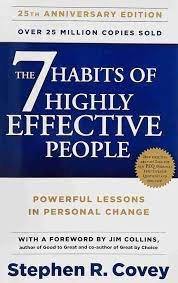
By the forties, many readers are juggling more responsibility than ever before. This book still works because it helps organize life around principles instead of urgency, mood, and constant reaction. It is especially useful for anyone managing family, leadership, work, and a personal life that can no longer be kept on autopilot.
Who it's for
Readers who want a steadier framework for work, leadership, and personal responsibility.
Why you'll like it
The habits are not glamorous, but they are durable. They help you become more intentional, less reactive, and more trustworthy in the roles you carry.
Key lessons
- Private habits shape public effectiveness.
- Principles are more useful than reaction.
- Long-term life quality comes from intentional structure.
Pros
- Strong framework for adult life.
- Helps build character, not just productivity.
Cons
- It can feel dated in places.
- Some readers will need a modern companion to apply it well.
My recommendation
Read it when you want a clearer system for leading your life instead of merely reacting to it.
7. Essentialism by Greg McKeown
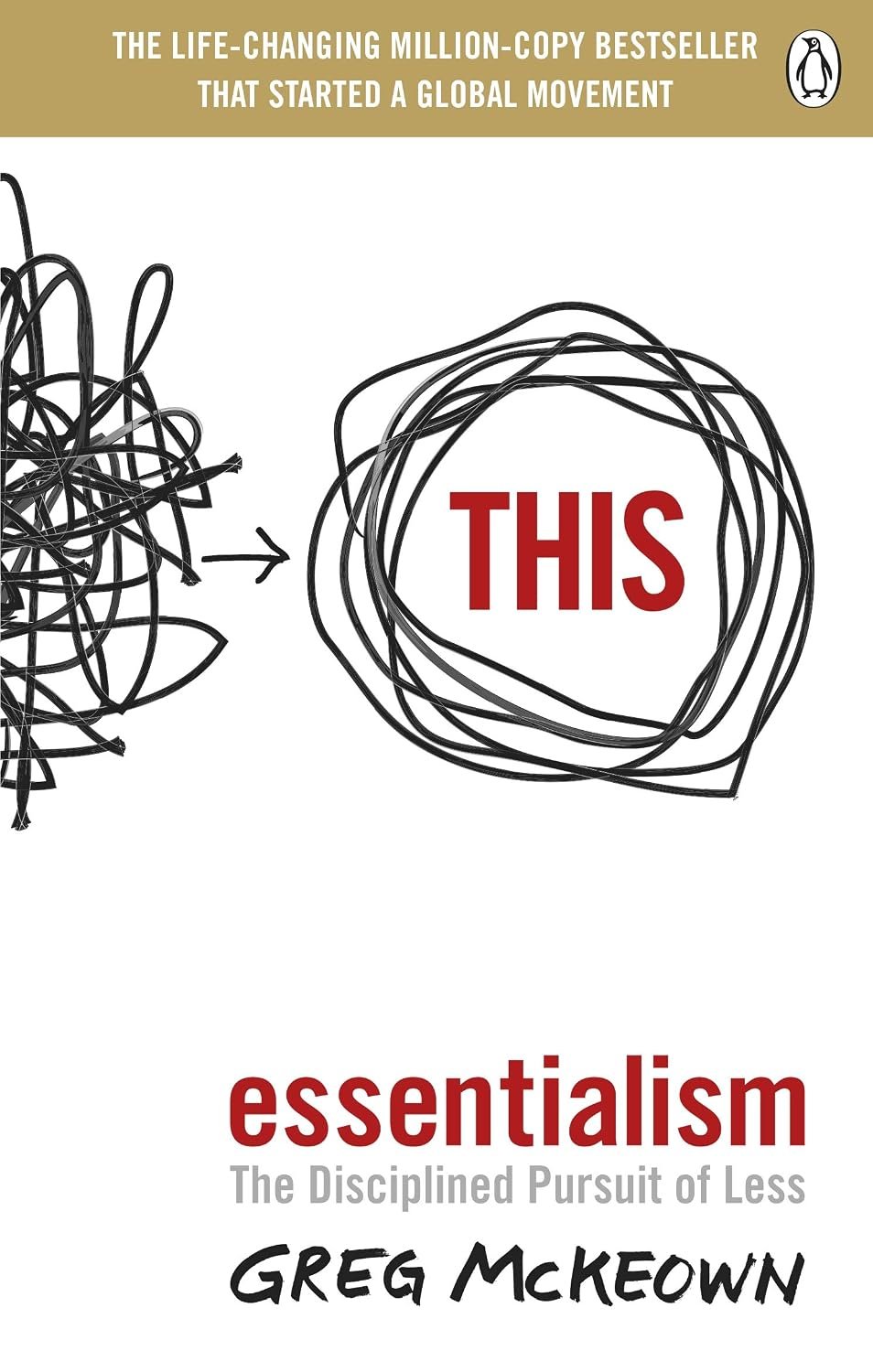
Essentialism becomes especially valuable in midlife because your resources are fewer and your obligations are heavier. This book helps you decide what truly deserves your energy, and it is especially useful when you are balancing work, family, health, and deeper responsibilities at once.
Who it's for
Readers trying to stop saying yes to everything and start choosing what matters most.
Why you'll like it
It gives you permission to protect your attention and says plainly that not every opportunity deserves your life. That message becomes more useful as you get older.
Key lessons
- Selective focus creates better lives than scattered effort.
- You do not need to do everything to live a meaningful life.
- Meaningful priorities require deliberate boundaries.
Pros
- Easy to grasp and highly applicable.
- Useful for midlife tradeoffs and life design.
Cons
- It is not a deep emotional book.
- It works best when you are ready to act on the tradeoffs it reveals.
My recommendation
Read it when you feel stretched and need a more honest framework for making decisions.
8. When Breath Becomes Air by Paul Kalanithi
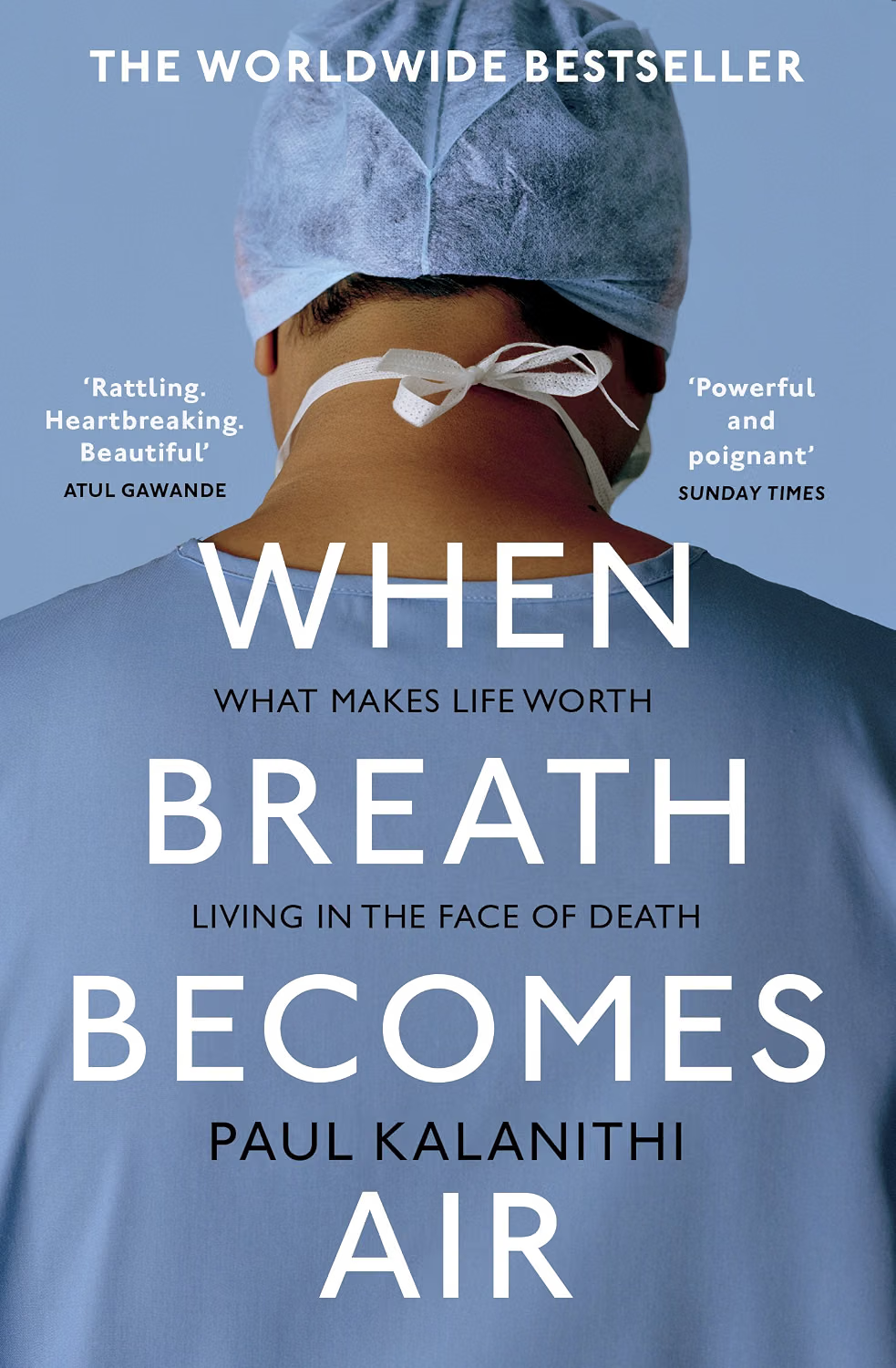
When Breath Becomes Air is a stunning reminder that time is not an abstract idea. It is something you spend, invest, and regret. In a forties reading list, it is valuable because it exposes the gap between a busy life and a meaningful one.
Who it's for
Readers reflecting on vocation, mortality, and what a life well lived actually looks like.
Why you'll like it
It is deeply human and honest. It does not prescribe a perfect formula. It simply asks the kind of questions that can reset your priorities when you are paying closer attention to time.
Key lessons
- External achievement cannot substitute for a life that feels deeply lived.
- Mortality can clarify the meaning of your work.
- Life is shaped by what matters enough to deserve your attention.
Pros
- Profound, honest, and memorable.
- Very useful for big-picture reflection.
Cons
- It is emotionally difficult.
- It is not a quick or light read.
My recommendation
Read it when you want a book that helps you confront life’s real scale and re-centre what matters most.
9. The Road Less Traveled by M. Scott Peck

The Road Less Traveled is still relevant in the forties because maturity often means choosing discipline over comfort and honesty over illusion. This book helps you confront the reality that a meaningful life is built through effort, love, and self-knowledge rather than constant emotional ease.
Who it's for
Readers ready for honest self-examination and a deeper understanding of growth.
Why you'll like it
It is not a quick-fix book. It addresses the harder truths of life and reminds you that real growth often begins with acceptance rather than avoidance.
Key lessons
- Growth requires discipline and honesty.
- Love and maturity are not automatic.
- Life becomes more meaningful when you stop confusing comfort with wisdom.
Pros
- Thoughtful, mature, and enduring.
- Good for readers who want deeper self-awareness.
Cons
- Some readers may find it dense.
- It demands patience and reflection.
My recommendation
Read it if you want a more serious and honest conversation with yourself about how you are living.
10. Falling Upward by Richard Rohr

Falling Upward is a fitting final pick because it speaks directly to the second half of life. It argues that the deeper maturity of adulthood often comes not from being more certain, but from being more willing to become less defined by your old identity.
Who it's for
Readers drawn to spiritual growth, reflection, and the deeper shape of later life.
Why you'll like it
This book helps you see that later life can be a reorientation rather than a decline. It invites you to let go of old forms of ego, achievement, and certainty so something more mature can emerge.
Key lessons
- Growth often requires a release of earlier identities.
- Second-half life can be more spacious and more meaningful.
- Spiritual maturity often looks like humility, service, and deeper perspective.
Pros
- Insightful and reflective.
- Very relevant to midlife and beyond.
Cons
- It can feel spiritual rather than practical.
- Readers who want clear action steps may need a companion book.
My recommendation
Read it if you are beginning to feel that the old way of defining success no longer fits the life you want to live.
Which Book Should You Read Next?
If you are rethinking ambition, start with From Strength to Strength. If you want a sharper sense of purpose, start with Man's Search for Meaning. The best book for your forties is the one that meets the deeper questions your life is already asking.